




-
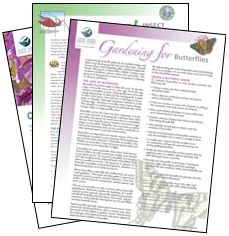 Booklets & handouts
Booklets & handouts
Take a closer look at the ways in which we’ll help you access the facts about wildlife. Whether it’s discovering the Hinterland Who’s Who animal fact sheets, or ordering our handy field guide to Canada’s prevalent shoreline species. </p> <h4>This content is available to our CWF Supporters and online members. Please sign in to order your free materials.<
More -
-
 Wallpapers
Wallpapers
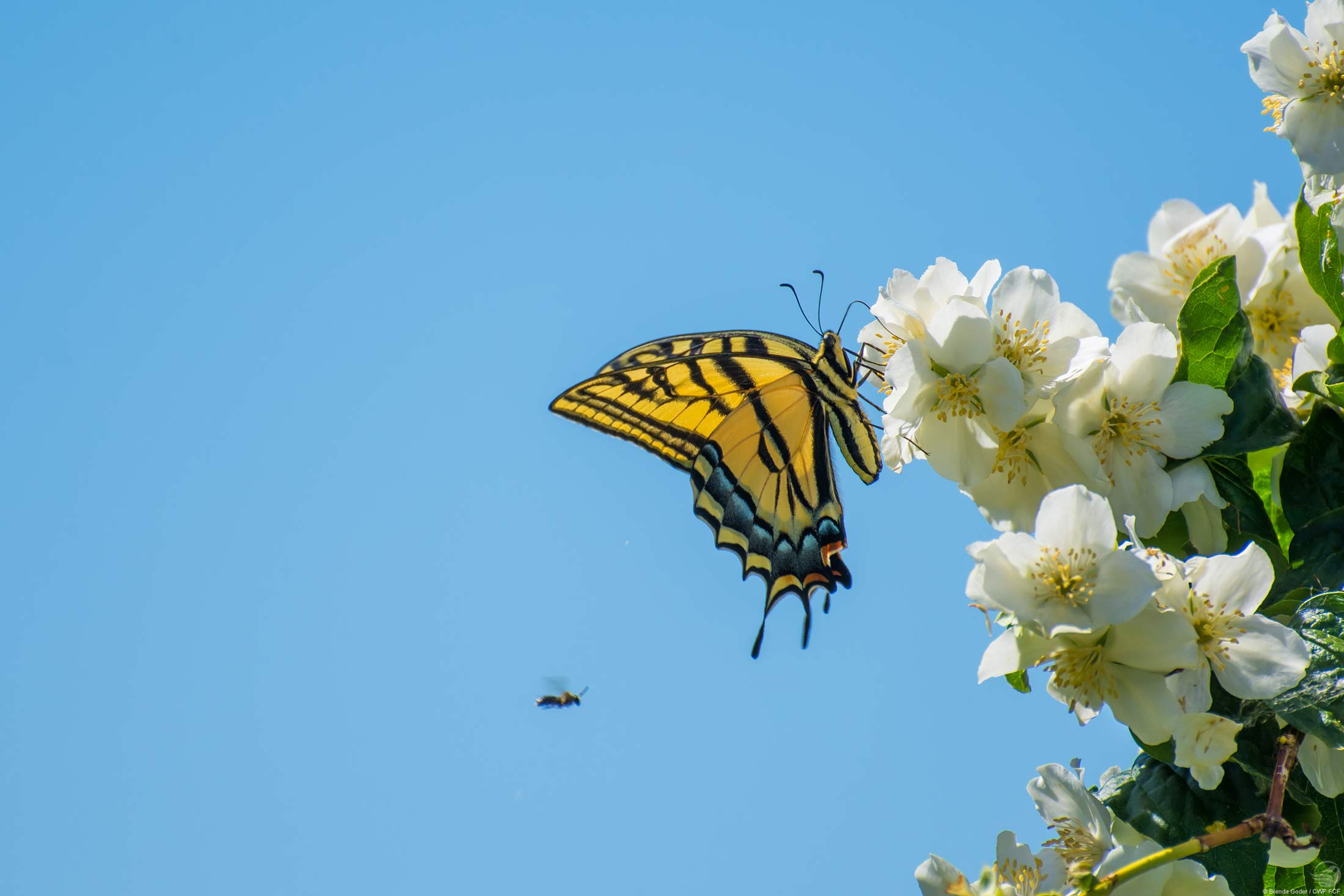
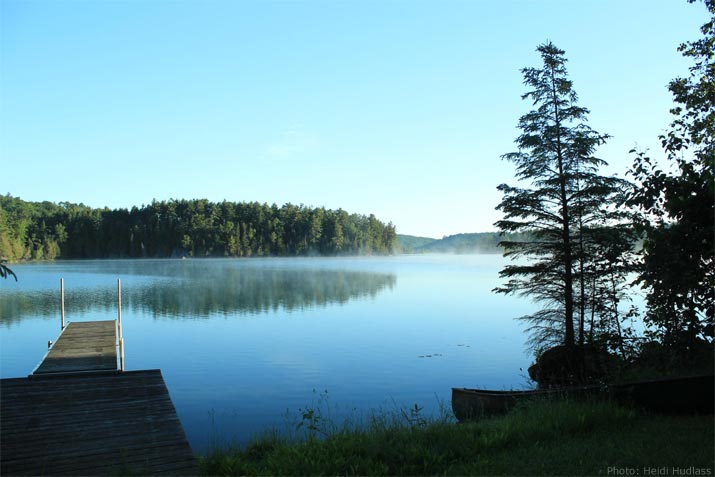
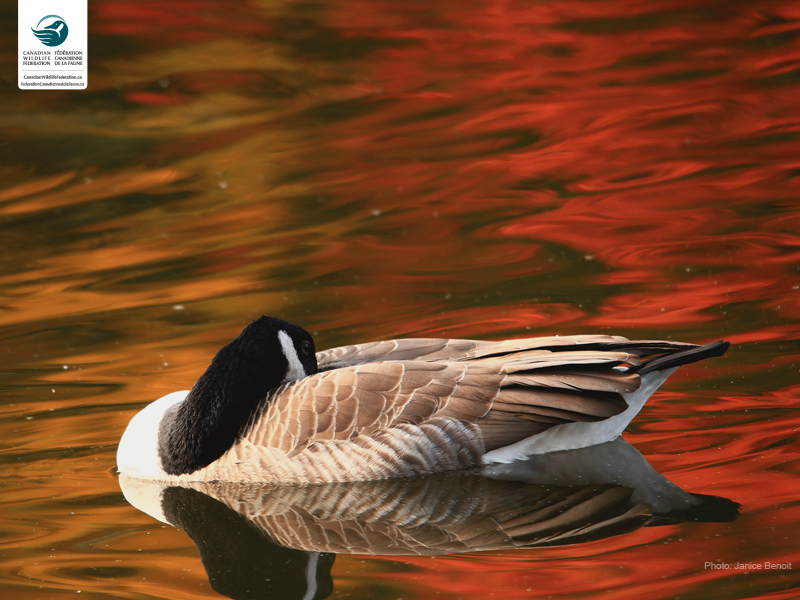
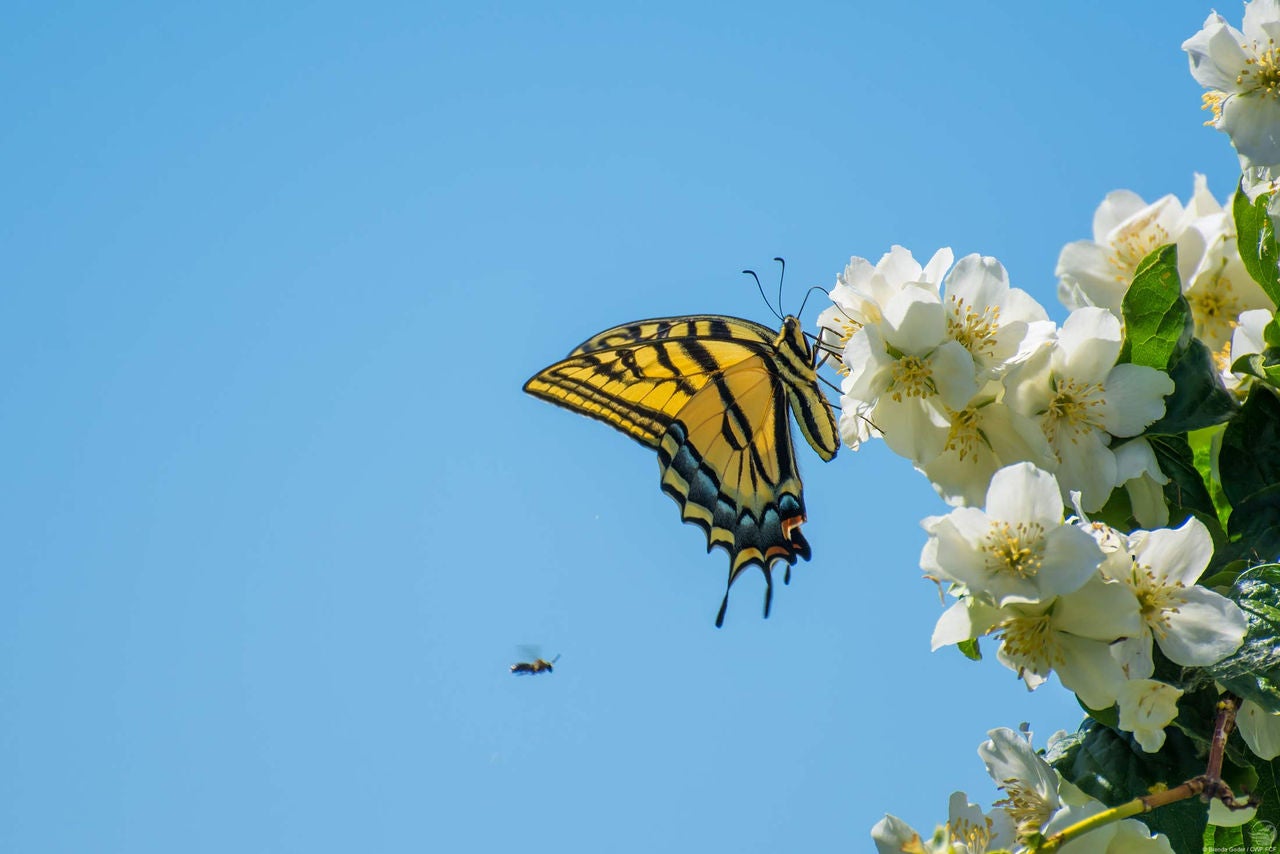
Your desktop is the perfect habitat for this wild wallpaper. Download CWF wallpapers!
More -
 WILD Webinars
WILD Webinars
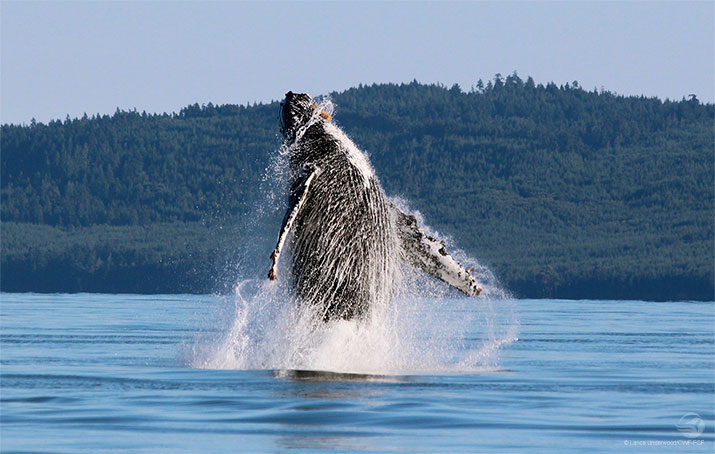
With topics relating to conservation, wildlife and habitat, we provide a relevant online learning platform, typically for grades four to six but of benefit to any age.
More

From easy-to-use apps designed as tools for your citizen science projects to picturesque wallpaper images for your computer, CanadianWildlifeFederation.ca offers a variety of useful downloads for your PC and mobile devices.
-
-
News & Media
2025-12-05
Find news releases, media kits, videos, webisodes, podcasts, public service announcements, RSS News Feeds, lists of contacts and more.
-

Foundation
2025-12-05
The Canadian Wildlife Foundation is a charitable organization dedicated to the belief that the renewable natural resources of Canada are economic, social, recreational and aesthetic assets that must be restored, used wisely and perpetuated for posterity.
-
.well-known Index Page
2025-10-28
-
Canadian Wildlife Federation
2025-12-05
The Canadian Wildlife Federation is a charitable organization that works with Canadians to make a difference to the kind of legacy we leave behind … not just for wildlife, but also for our children.
Coasts & Oceans
-
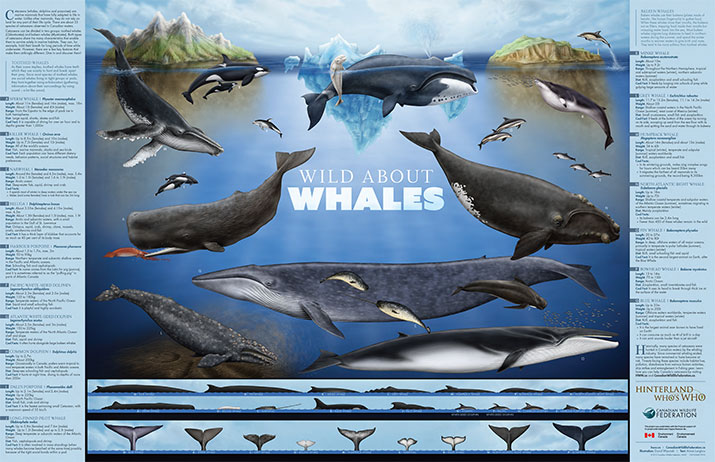
Wild About Whales Poster
2025-12-05
Cetaceans (whales, dolphins and porpoises) are marine mammals that have fully adapted to life in water. Unlike other mammals, they do not rely on land for any part of their life cycle. There are about 33 species of cetaceans observed in Canadian waters.Cetaceans can be divided in two groups: toothed whales (Odontocetes) and baleen whales (Mysticetes). Both types of cetaceans share the many characteristics that enable them to survive solely in marine habitats. They can, for example, hold their breath for long periods of time while underwater. However, there are a few key features that make them strikingly different. Dive in and discover them!
-
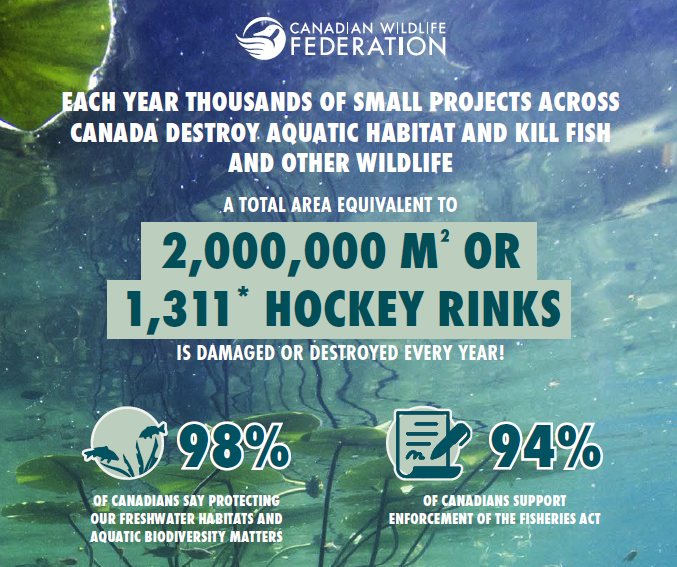
STOP Habitat Loss NOW! Infographic
2025-12-05
EACH YEAR THOUSANDS OF SMALL PROJECTS ACROSS CANADA DESTROY AQUATIC HABITAT AND KILL FISH AND OTHER WILDLIFE
-
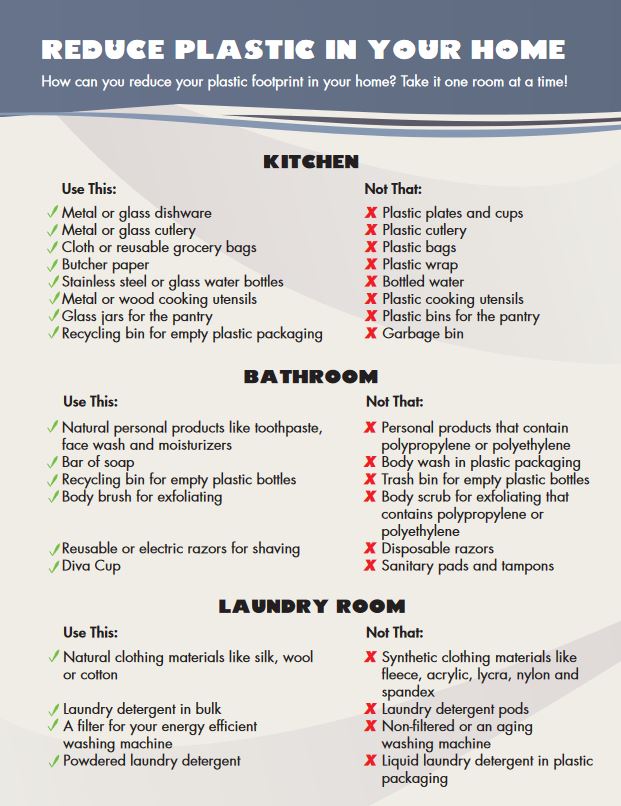
Reduce Plastic in Your Home Checklist
2025-12-05
How can you reduce your plastic footprint in your home? Take it one room at a time
-
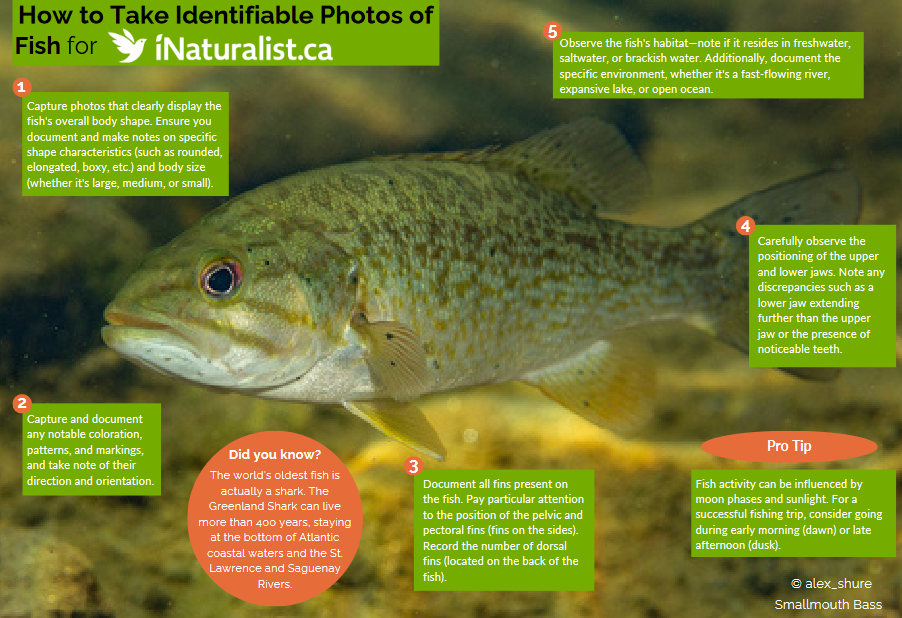
How to Take Identifiable Photos of Fish
2025-12-05
Taking photos of wildlife can be challenging. It is not essential to photograph every point on this diagram to get an identifiable observation. Just try your best! When photographing fish, minimize air exposure by taking an underwater photo whenever possible, allowing them to breathe freely. If taking a picture outside the water, keep the fish near the water and lift it briefly for the photo, limiting air exposure to 10 seconds or less. Be sure to follow local fishing guidelines and regulations.
-
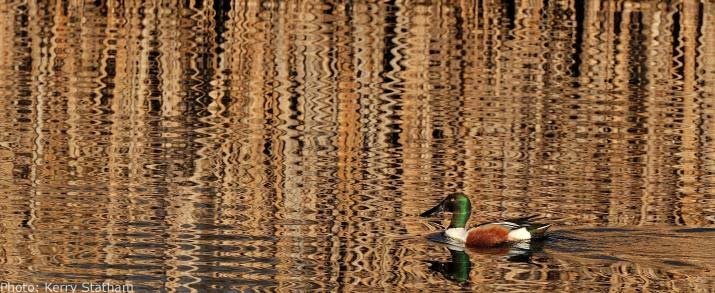
Connecting With Nature
-
-
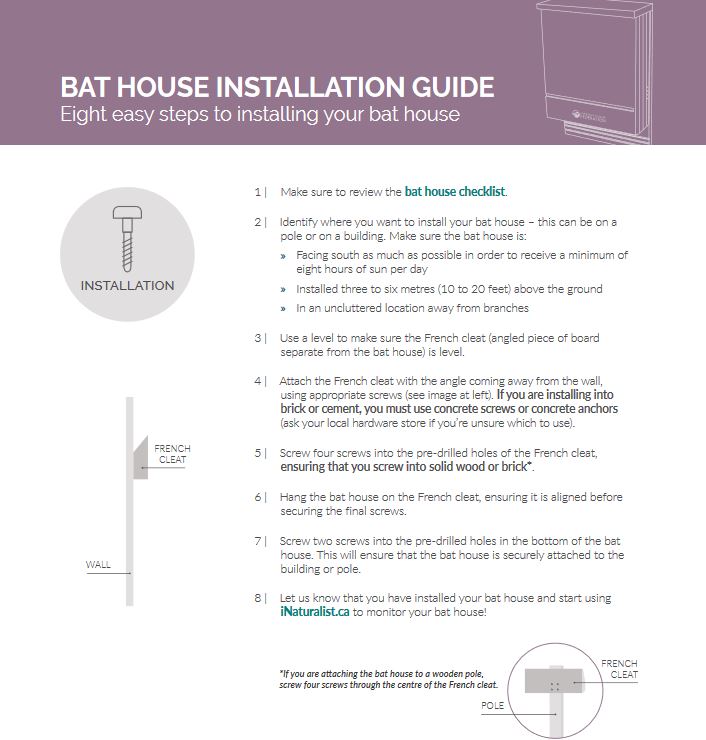
-
-
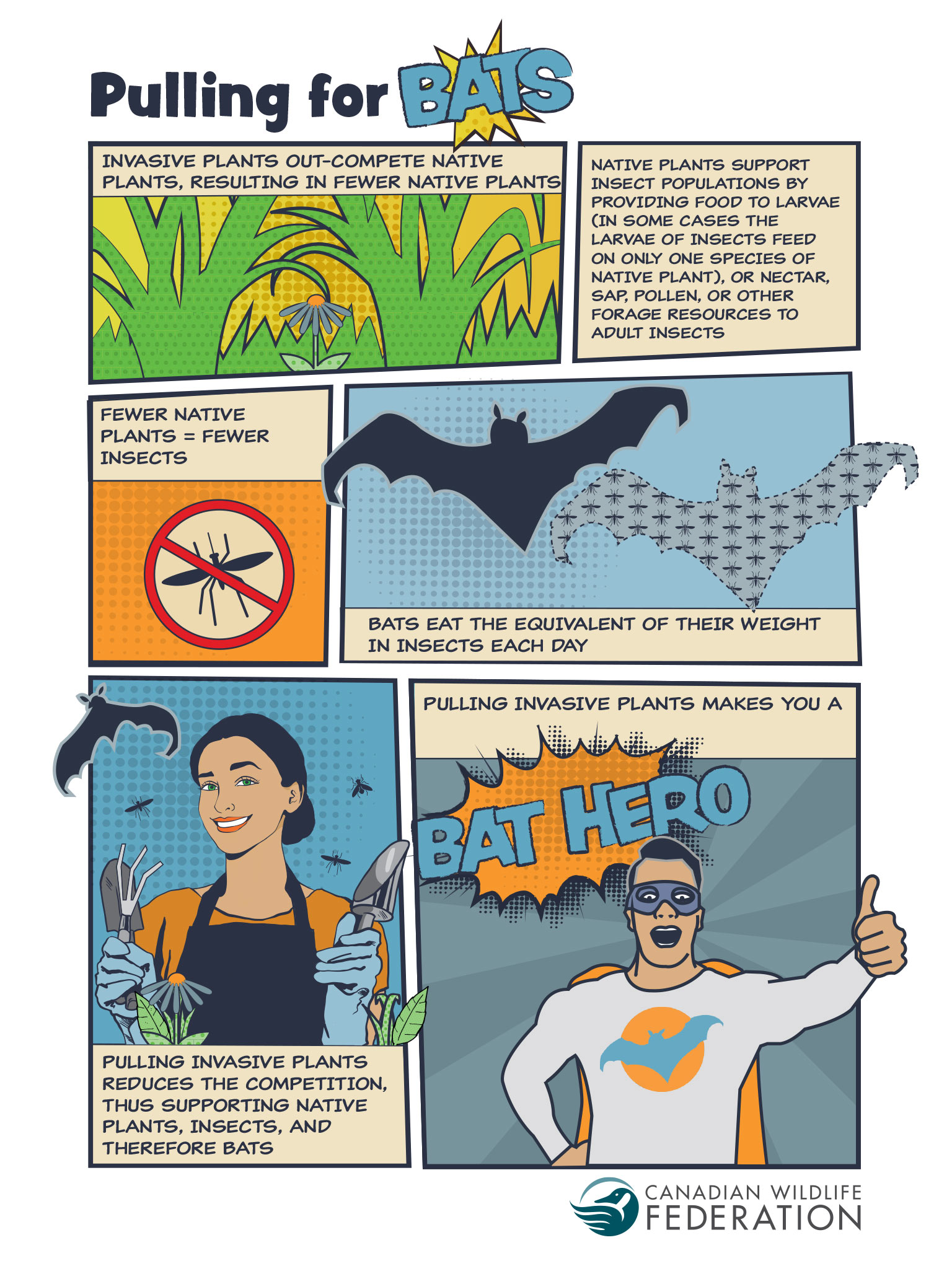
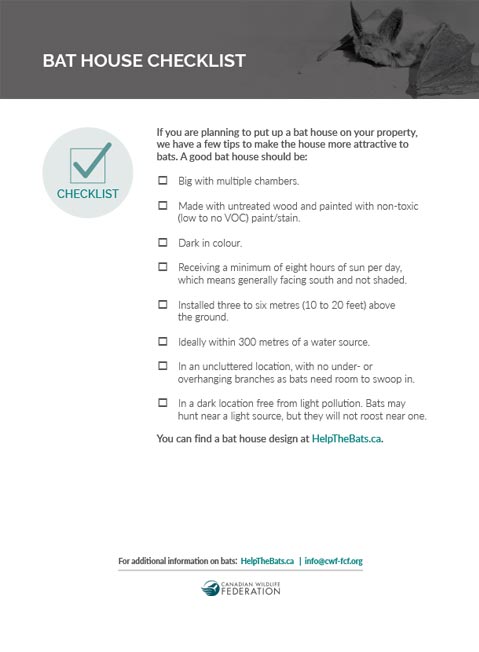
Pulling for Bats
2025-12-05
Native plants support diverse insect populations by providing food for adults and larvae. Insects will feed on nectar, pollen or leaves and some will forage on only one species of native plant!
-
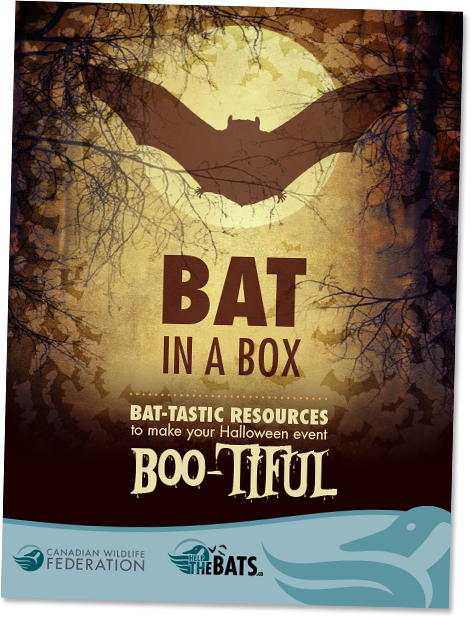
Education & Leadership
-
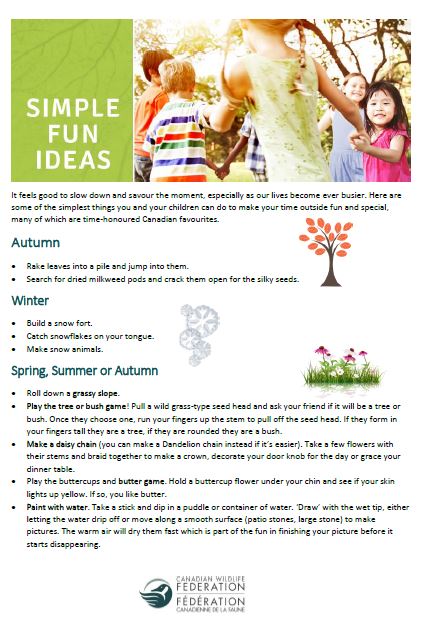
Simple, Fun Ideas to Get Kids Outside
2025-12-05
It feels good to slow down and savour the moment, especially as our lives become ever busier. Here are some of the simplest things you and your children can do to make your time outside fun and special, many of which are time-honoured Canadian favourites.
-
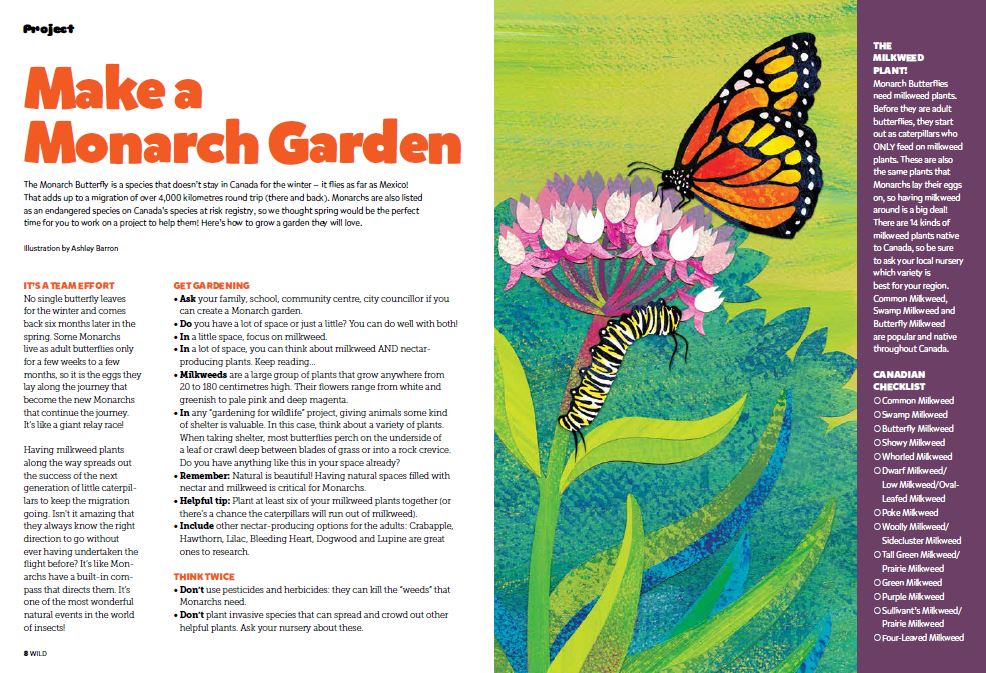
Make a Monarch Butterfly Garden
2025-12-05
The Monarch Butterfly is a species that doesn’t stay in Canada for the winter — it flies as far as Mexico! That adds up to a migration of over 4,000 kilometres round trip (there and back). Monarchs are also listed as an endangered species on Canada’s species at risk registry, so we thought spring would be the perfect time for you to work on a project to help them! Here’s how to grow a garden they will love.
-
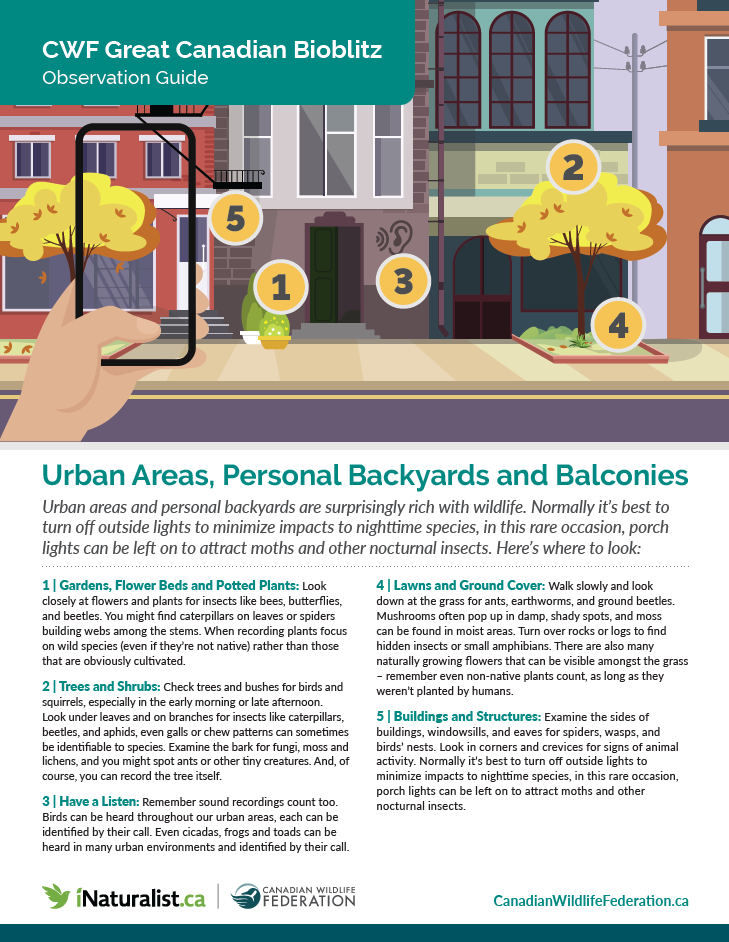
Great Canadian Bioblitz Observation Guide
2025-12-03
-
-
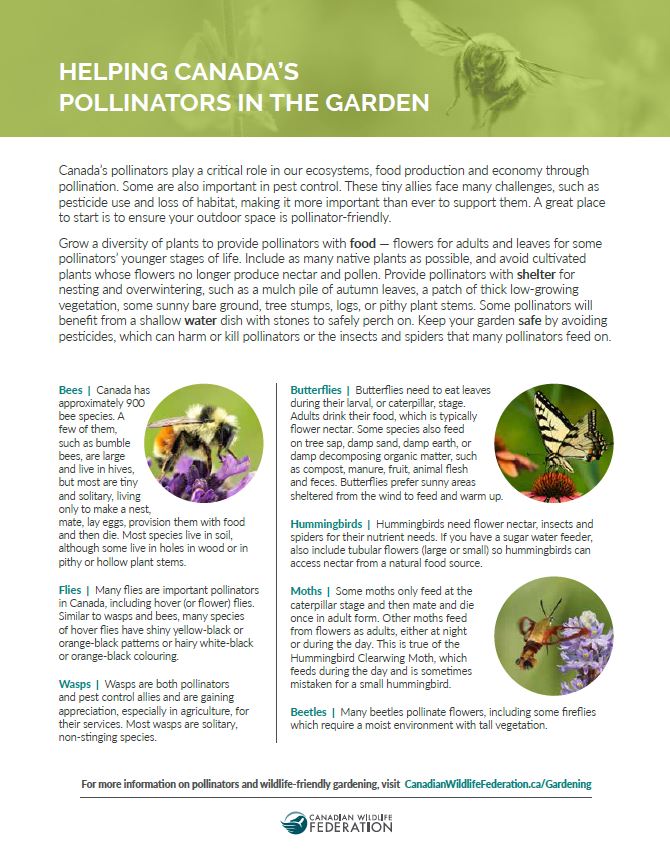
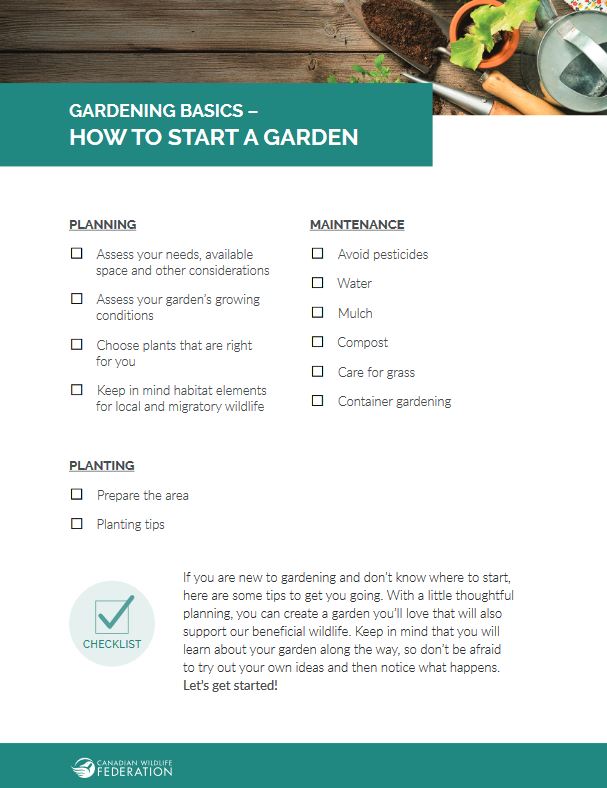
Helping Canada’s Pollinators in The Garden
2025-12-05
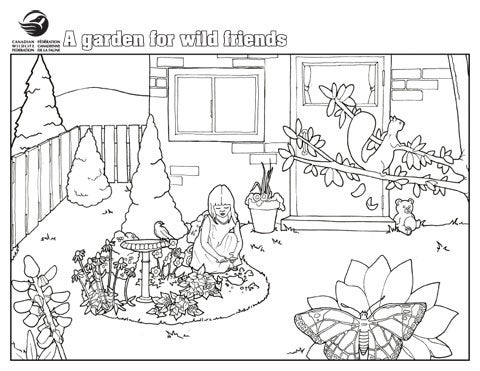
Canada’s pollinators play a critical role in our ecosystems, food production and economy through pollination. Some are also important in pest control. These tiny allies face many challenges, such as pesticide use and loss of habitat, making it more important than ever to support them. A great place to start is to ensure your outdoor space is pollinator-friendly.
Endangered Species & Biodiversity
-
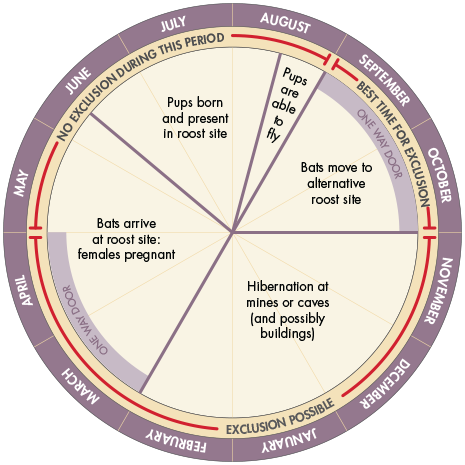
Bat Exclusion Calendar
2025-12-05
If you must exclude bats from your property, take a look at this calendar which outlines the most and least desirable times to do so.
-
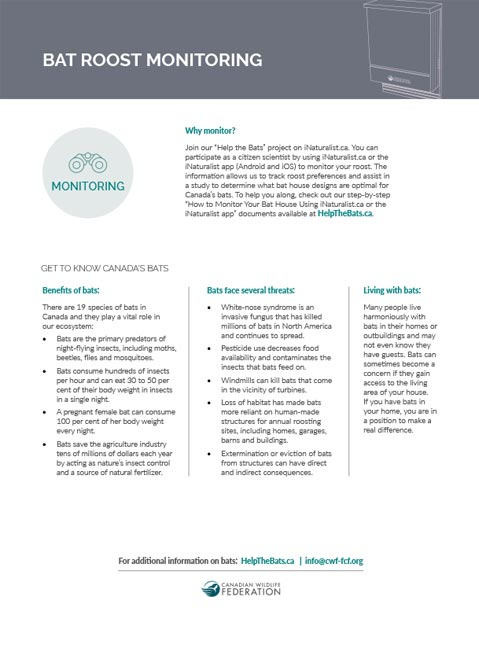
BAT ROOST MONITORING
2025-12-05
oin our “Help the Bats” project on iNaturalist.ca. You can participate as a citizen scientist by using iNaturalist.ca or the iNaturalist app (Android and iOS) to monitor your roost. The information allows us to track roost preferences and assist in a study to determine what bat house designs are optimal for Canada’s bats. To help you along, check out our step-by-step “How to Monitor Your Bat House Using iNaturalist.ca or the iNaturalist app” documents available at HelpTheBats.ca
-
-
-
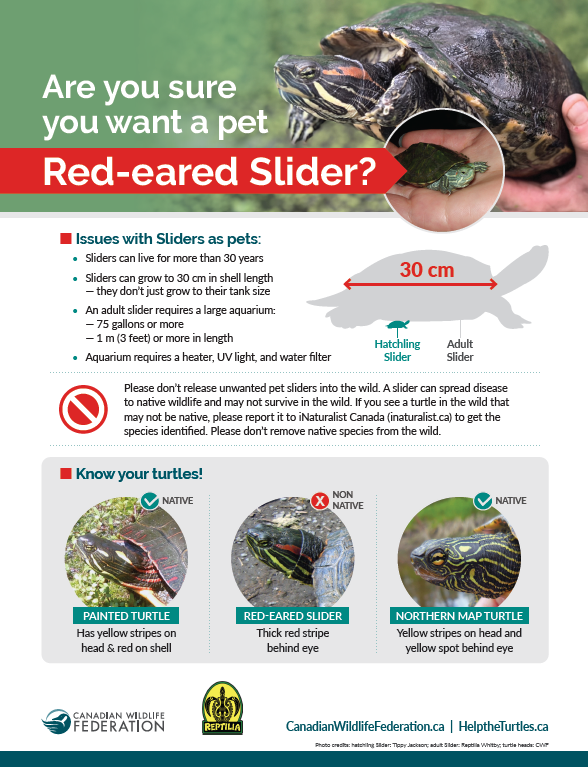
Are you sure you want a pet Red-eared Slider?
2025-12-05
Please don’t release unwanted pet sliders into the wild. A slider can spread disease to native wildlife and may not survive in the wild. If you see a turtle in the wild that may not be native, please report it to iNaturalist Canada (inaturalist.ca) to get the species identified. Please don’t remove native species from the wild.
Forests & Fields
-
-
Bat Exclusion Calendar
2025-12-05
If you must exclude bats from your property, take a look at this calendar which outlines the most and least desirable times to do so.
-
BAT ROOST MONITORING
2025-12-05
oin our “Help the Bats” project on iNaturalist.ca. You can participate as a citizen scientist by using iNaturalist.ca or the iNaturalist app (Android and iOS) to monitor your roost. The information allows us to track roost preferences and assist in a study to determine what bat house designs are optimal for Canada’s bats. To help you along, check out our step-by-step “How to Monitor Your Bat House Using iNaturalist.ca or the iNaturalist app” documents available at HelpTheBats.ca
-
-
Lakes & Rivers

Learn More

- 0
- 1
- 2
- 3