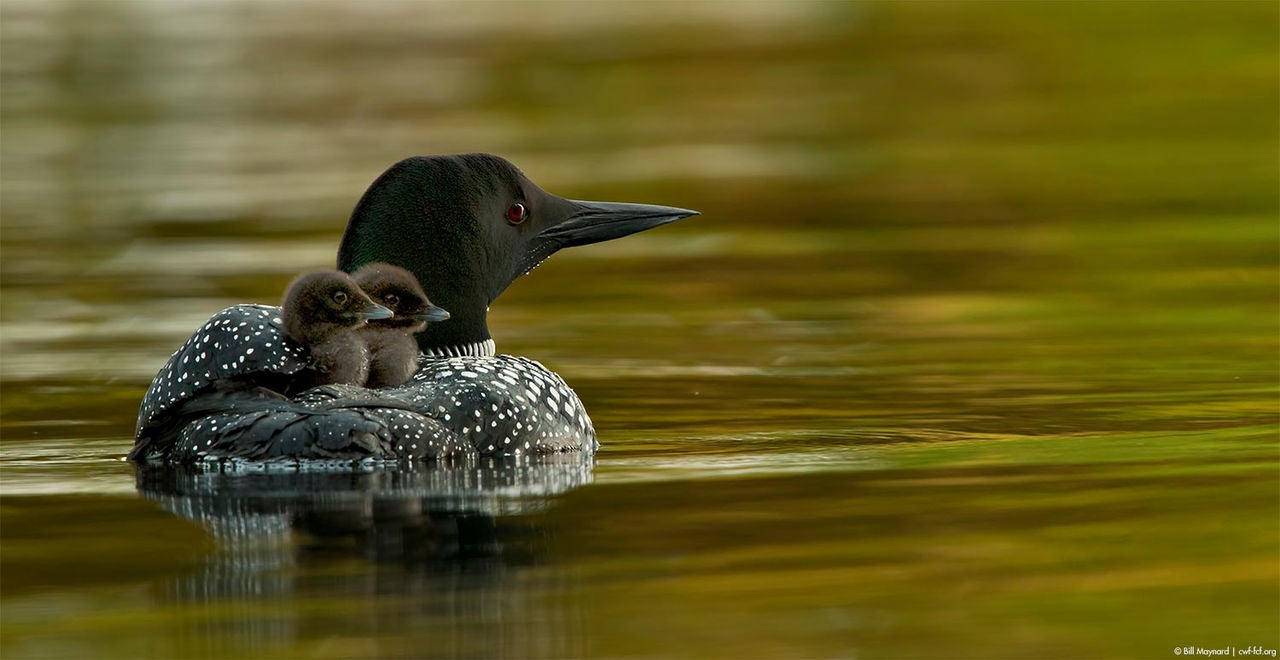


Let the Sunshine In!
There’s nothing uplifting about spending your day under fluorescent lights. And until you go on maternity leave, your nine to five is likely devoid of natural light. Bummer. Especially when you consider that all that time indoors can actually disrupt the production of melatonin and make you feel even more tired and perhaps even a little blue. The antidote? Sunshine! Researchers in Australia have found that sunlight boosts the levels of serotonin in the brain, making you more alert, happier, and less anxious.
Permission to Soak Up the Sun
WINTER
Make a pact with yourself that the next sunny day that comes your way, you’ll head outside to soak up some rays and reap the benefits. Isn’t it amazing that even on cold winter days, a little sunshine can work wonders? Many Canadian animals rely on the sun, at least in part, to stay warm. The birds in your backyard bask in the sun while they nosh on birdseed to keep their core temperatures up. And even some animals living in the Arctic have adapted to their extreme surroundings to make use of sunlight. Polar bears, for example, not only have a thick layer of fat and a generous winter coat to guard them against the cold, they also have translucent hair that reflects the heat of the sun so their black skin can absorb its heat.
SPRING
Make a pact with yourself that the next sunny day that comes your way, you’ll head outside to soak up some rays. Many Canadian animals rely on the sun; snakes and turtles, for example will seek out spots to bask in the sun to warm up. Their preferred places to bask? Rocky terrain since rocks absorb the heat from the sun. You can create a little basking zone in your backyard for these reptiles by collecting large rocks in your flower garden.
SUMMER
Make a pact with yourself that the next sunny day that comes your way, you’ll head outside to soak up some rays. Many Canadian animals rely on the sun; snakes and turtles, for example will seek out spots to bask in the sun to warm up. Their preferred places to bask? Rocky terrain since rocks absorb the heat from the sun. You can create a little basking zone in your backyard for these reptiles by collecting large rocks in your flower garden.
AUTUMN
Make a pact with yourself that the next sunny day that comes your way, you’ll head outside to soak up some rays and reap the benefits. Isn’t it amazing that even on cold winter days, a little sunshine can work wonders? Many Canadian animals rely on the sun, at least in part, to stay warm. The birds in your backyard bask in the sun while they nosh on birdseed to keep their core temperatures up. And even some animals living in the Arctic have adapted to their extreme surroundings to make use of sunlight. Polar bears, for example, not only have a thick layer of fat and a generous winter coat to guard them against the cold, they also have translucent hair that reflects the heat of the sun so their black skin can absorb its heat.
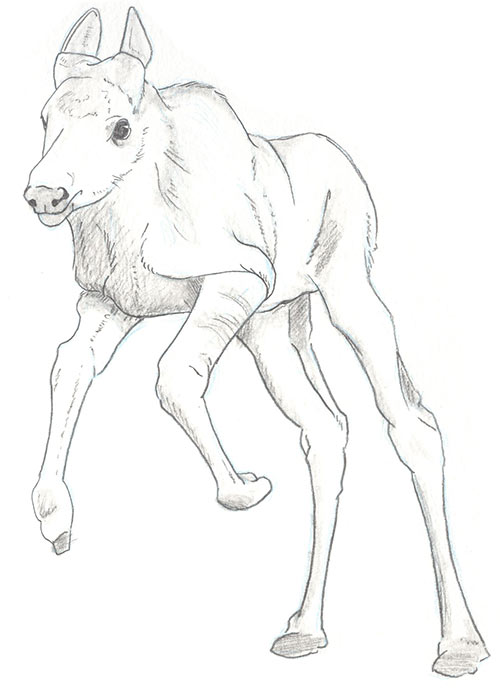 If you were a moose, you would have delivered your baby by now!
The gestation period for moose is between 240 and 250 days. Females seek out a secluded area to give birth – usually in a thicket or on an island to keep predators at bay. She will give birth to one or two helpless calves. In the first month, these calves will gain more than half a kilogram in a day, and after only a few short days, they will be able to swim and run faster than a human.
How Big is Your Baby?
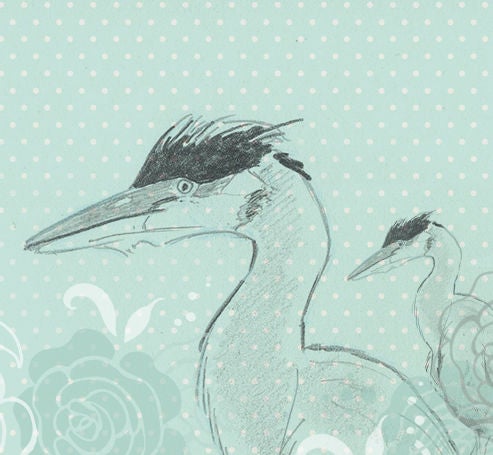
Your baby is the size of a great blue heron!

Learn More



- 0
- 1
- 2
- 3
- 4
- 5
- 6