


Endangered Species & Biodiversity

-
Government of Canada invests in partnerships to support freshwater habitat research
2025-12-05
Freshwater habitats include the numerous lakes, rivers, streams and waterways that are part of Canada's diverse aquatic ecosystem. These versatile habitats and species that call them home have been affected by human activity and environmental changes. The Government of Canada is committed to supporting research that will study and inform us on how we can sustainably protect freshwater habitats for all Canadians.
-
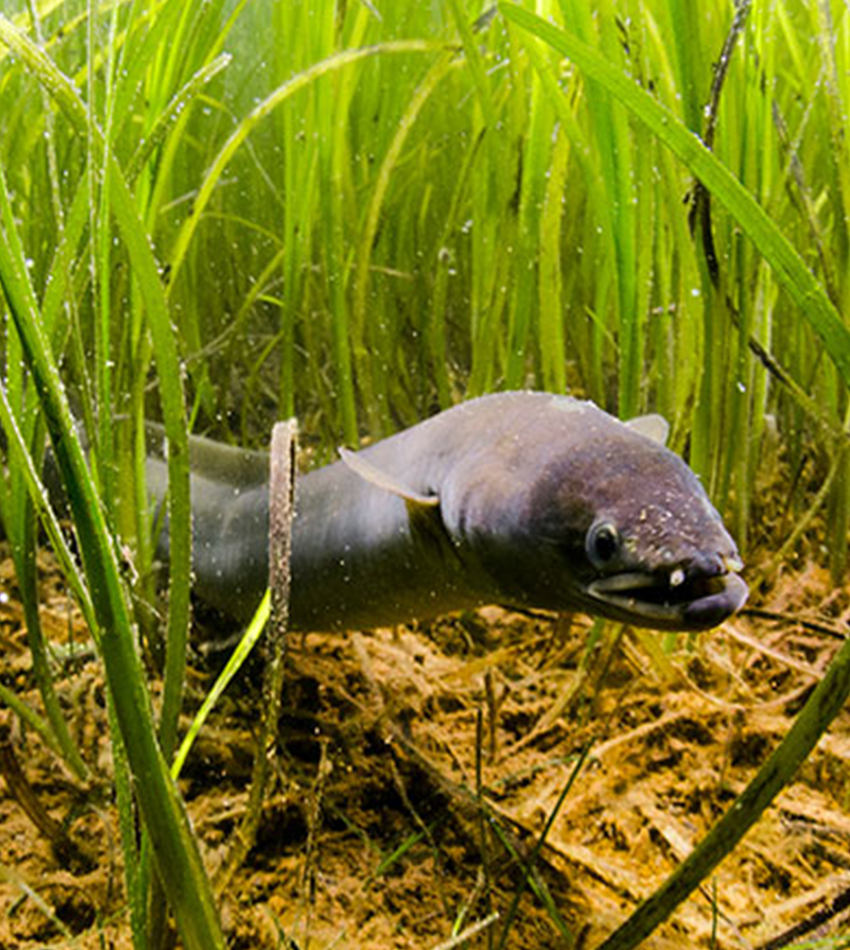
NEW CWF RESEARCH EXPOSES ONTARIO’S FAILURE TO REVERSE A CRITICAL DECLINE IN NATIVE EEL POPULATION
2025-12-05
New research by the Canadian Wildlife Federation, relying on documents obtained through a freedom of information request, reveals that Ontario and hydropower producers in the province have failed to meet legal responsibilities for conserving the American Eel.
-
CWF Calls for Immediate Action to Conserve Canada’s Aquatic Species at Risk in Response to Environment Commissioner’s Findings
2025-12-05
The Canadian Wildlife Federation (CWF) is calling on the federal government to decide whether to give protection to each aquatic species that has been scientifically assessed as at risk of extinction under the Species at Risk Act by June 2023 following the Commissioner of the Environment and Sustainable Development’s fall audit. Further, the federal government must focus resources on implementation and action to recover these species and report to Parliament and Canadians on progress.
-
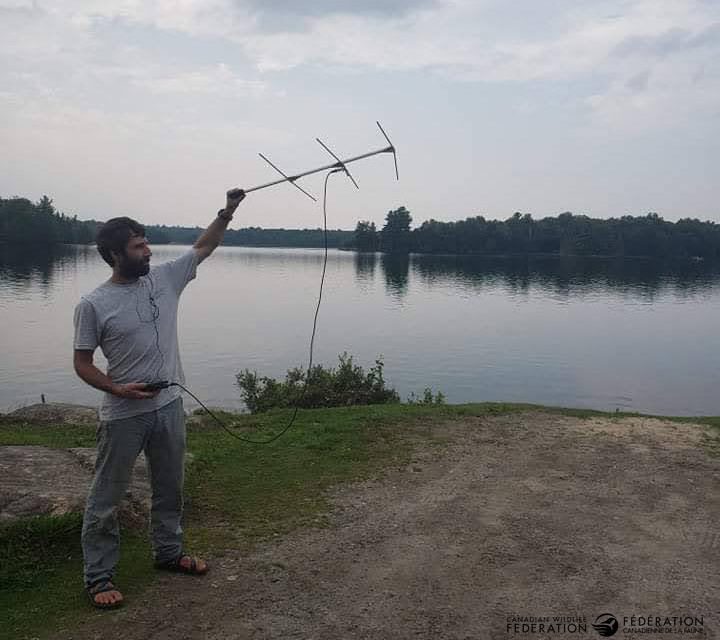
CWF BAT CAPTURE AND TRACKING PROJECT LAUNCHES IN CUMBERLAND
2025-12-05
The Canadian Wildlife Federation (CWF) is planning a live and safe bat capture, tagging and tracking project within a 425 acre outdoor classroom east of Ottawa.
-
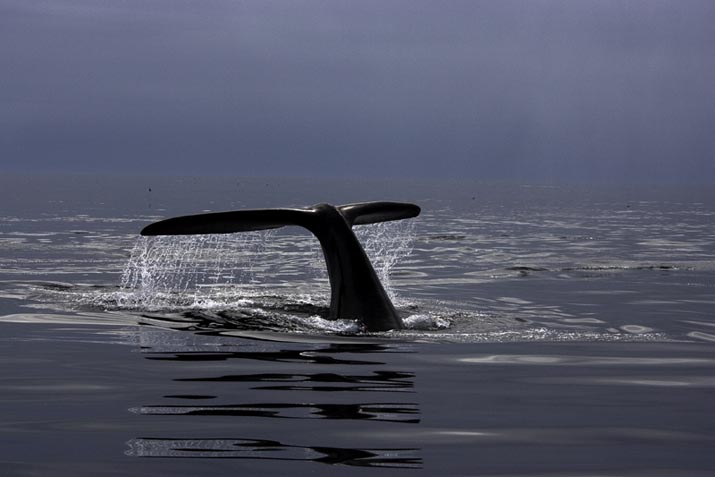
Statement by Sean Brillant, Canadian Wildlife Federation Senior Conservation Biologist –Marine Programs on North Atlantic Right Whale Mortality
2025-12-05
The survival of North Atlantic right whales is going to require support from all Canadians, and CWF will continue to work with all partners to lead initiatives to support emergency response, conduct research to reduce entanglement risks and raise awareness about this majestic part of our Canadian marine heritage.
-
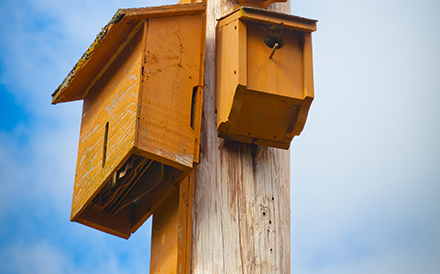
Unlikely allies come together to help endangered bats
2025-12-05
The Canadian Wildlife Federation (CWF) and a broad range of unlikely allies are coming together to help endangered bats. The partners include a wildlife control company, a bat researcher, federal youth employment and training programs, local homeowners, and a local men’s wellness group. The unique project, funded by the Ottawa Community Foundation, has the potential to provide habitat for 45,000 at risk bats.
-
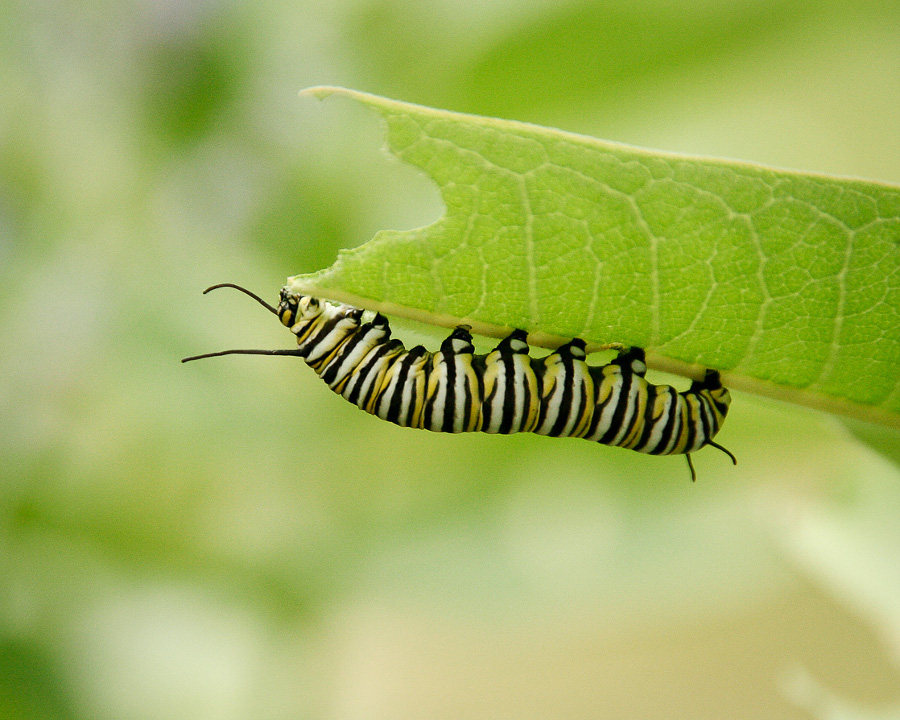
CWF calls for Canada to restore habitat as Monarch butterfly rebounds in Mexico
2025-12-05
The forest area in Mexico occupied by overwintering Monarchs has been assessed and the 2019 numbers are very promising, giving a reprieve to a beleaguered population.
-
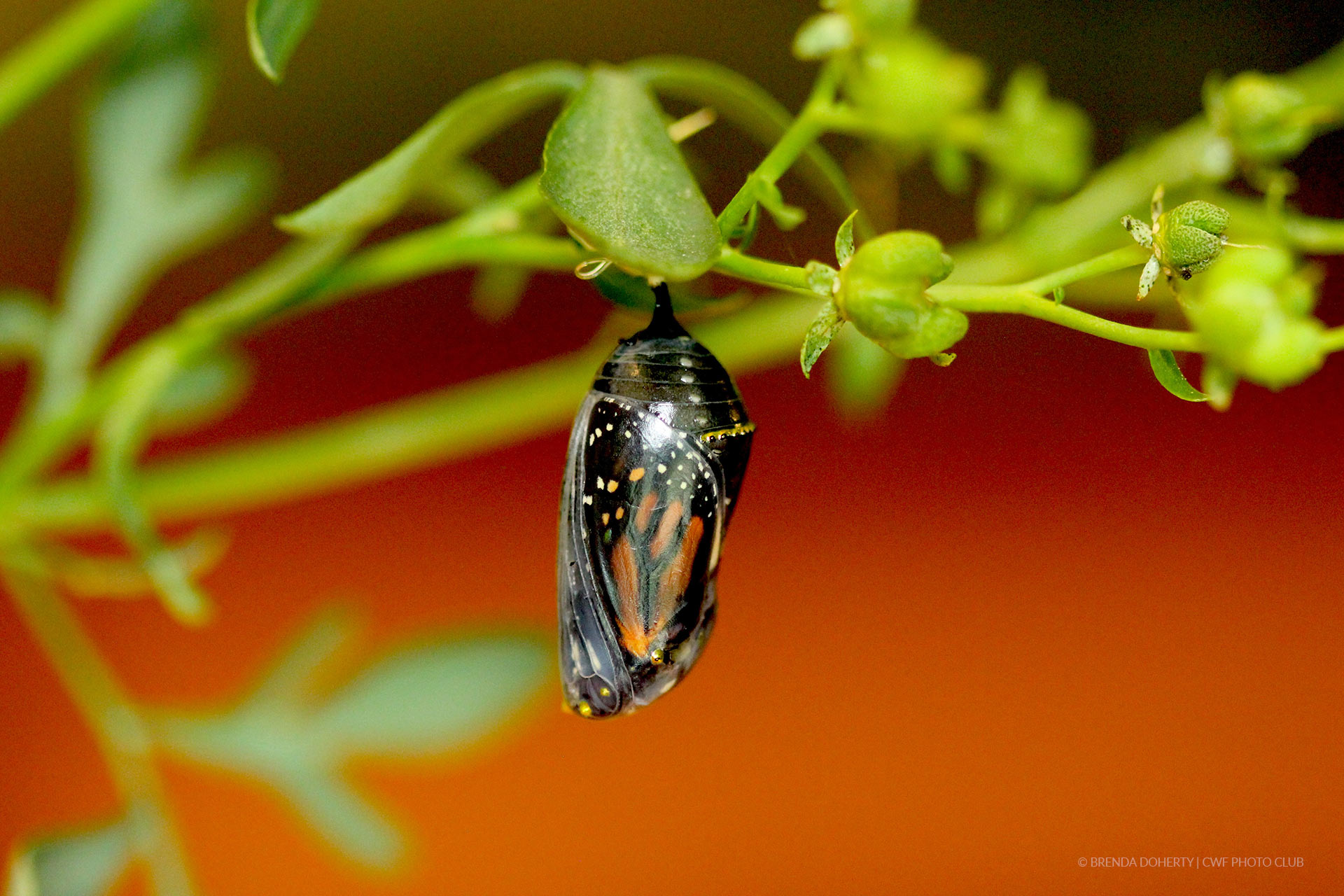
CWF calls for National Pollinator Recovery Strategy
2025-12-05
The Canadian Wildlife Federation (CWF) is calling for the creation of a national pollinator recovery strategy featuring pollinator pathways and a comprehensive pollinator monitoring program.
-
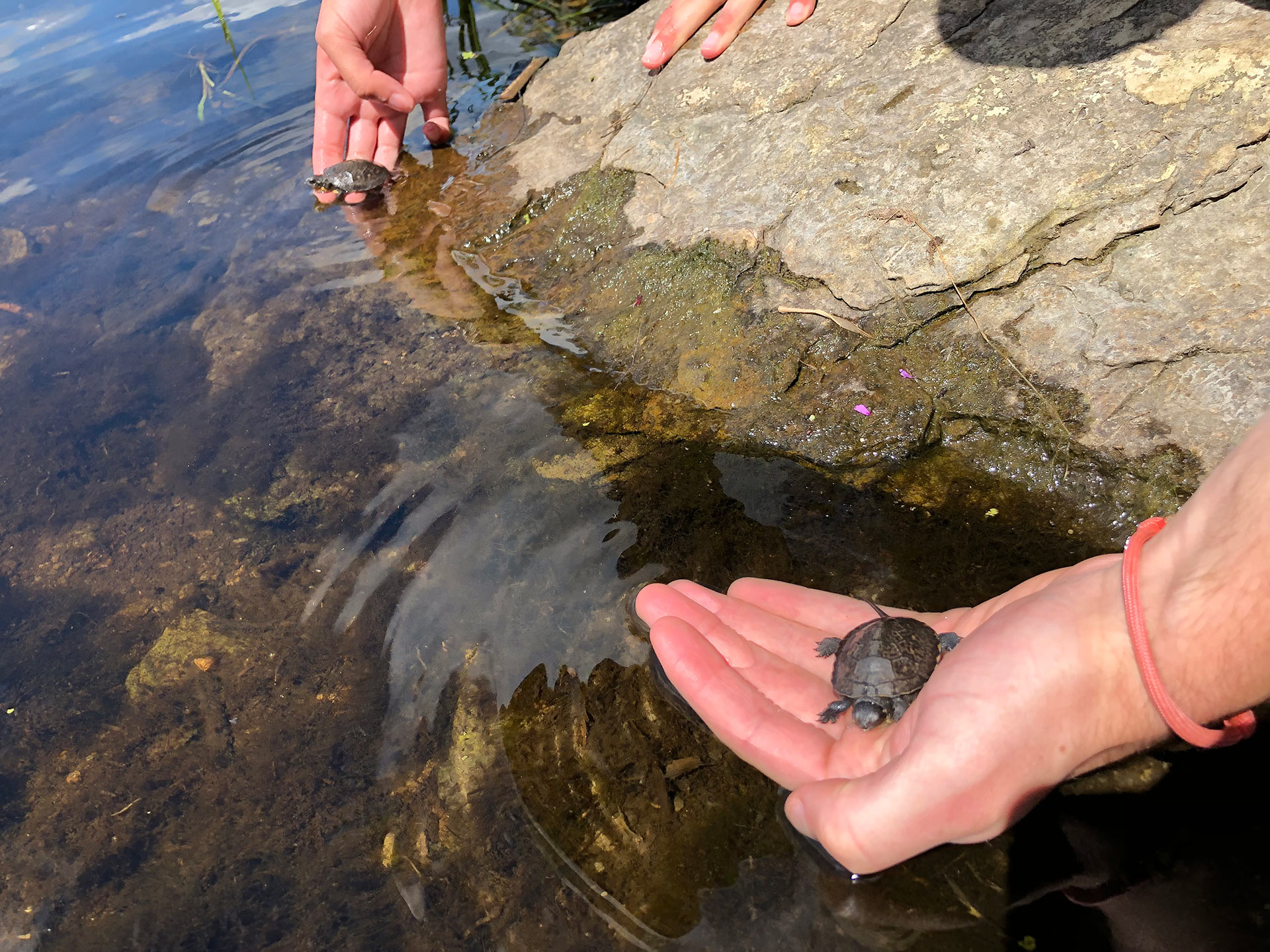
Slow Down and #HelpTheTurtles
2025-12-05
“CWF’s Ottawa team collected and incubated over 600 Blanding’s, Northern Map and Snapping turtle eggs in the Ottawa area this year,” said Rick Bates, CEO. “The release of these hatchings back to the areas where they were found is part of CWF’s comprehensive turtle conservation program, which is also working to help mitigate the impact of road mortality on at-risk turtles in Eastern and Central Ontario. In road surveys conducted the last two years in the Ottawa-area, over 1,000 dead turtles were found. These included over 100 Blanding’s Turtles, a threatened species in Ontario.”
-

Canada's Bats Face Growing Threat
2025-12-05
Hibernating bats may be storing pesticides from contaminated insect food in their flesh over winter, lowering their immune systems and putting them at greater risk of disease and death, says the Canadian Wildlife Federation (CWF).

Learn More

- 0
- 1