

Forests & Fields
-
Energy Can Be Renewable, Grasslands Less So
2025-12-05
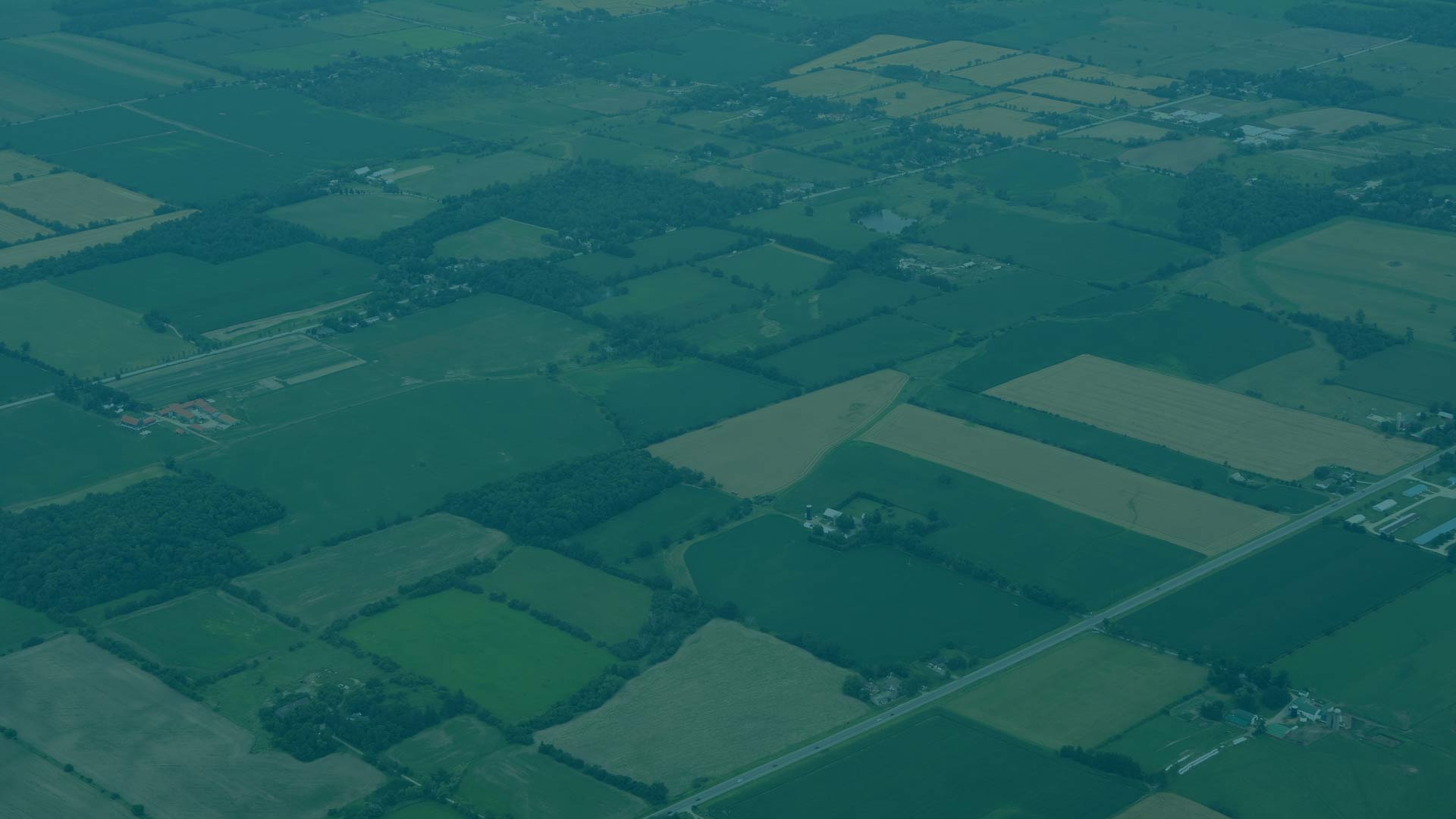
The plow, roads and cities have reduced this to about 10 million hectares — about an 81 per cent decline. In no small part, the natural grasslands that remain owe their survival to being “not good for much” except grazing livestock. They were undesirable for growing crops and not even in the right places for housing or industrial development.
-
Collaboration seen as way to preserve native grasslands
2025-12-05
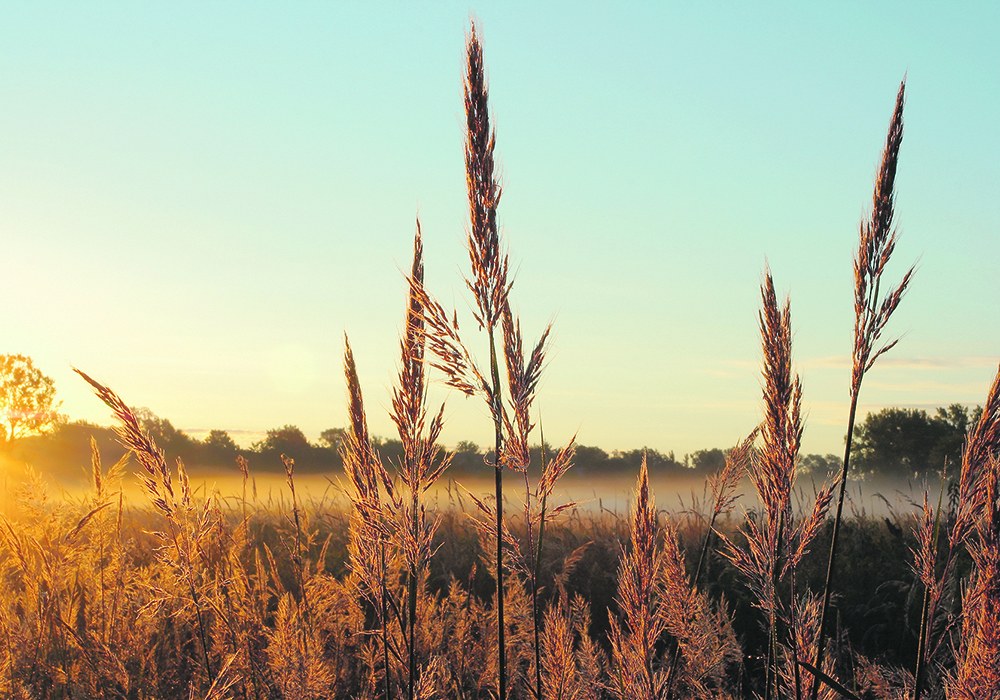
The Canadian Wildlife Federation hopes that by meeting with like-minded groups in the United States and Mexico it can find solutions to preserving native grasslands. John Wilmshurst, the organization’s native grassland conservation manager, recently met with U.S. and Mexican organizations in Fort Collins, Colorado, to discuss possible collective efforts to conserve North American grasslands.
-
Canadian Wildlife Federations’ - Grow Don’t Mow campaign
2025-12-05
Tim talks to Sarah Coulber conservation education specialist with the Canadian Wildlife Federation. She talks which pollinator plants are available each may (grown in Vineland at Willowbrook) so people can plant and attract wildlife (bees, birds, butterflies) to their gardens.
-
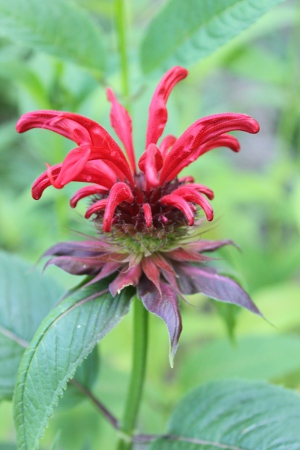
Bee Hero Garden Challenge winners congratulated for their efforts
2025-12-05
Throughout the summer of 2021, participants showed their progress with before and after pictures of their gardens designed to provide beauty for their homes as well as help pollinators do their jobs
-
Canadian Wildlife Federation restores acres of Oakville pollinator habitats along Hwy. 407
2025-12-05
In recognition of Pollinator Week, 407 ETR is proud to announce that its pollinator conservation efforts with the Canadian Wildlife Federation (CWF) have surpassed the12-hectare goal of roadside restoration.
-
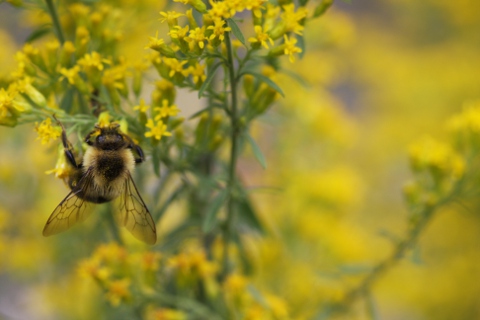
Be bee friendly
2025-12-05
The world is run by bees. Not in a literal sense, mind you, but in a very real way life on this planet is made possible by the work of bees and other pollinators who ensure that new flowers and plants are able to grow and thrive. In return, we have air to breathe, fruits and vegetables to eat, and beautiful spring meadows to enjoy. Bees, however, are in trouble. According to many different organizations, including the David Suzuki Foundation, The Bee Conservancy and the Canadian Wildlife Federation, factors like decreasing habitat space due to land development, the use of neonic pesticides, and the growth of invasive plants are all contributing to a crisis in the insect world, including bees and other pollinators.
-
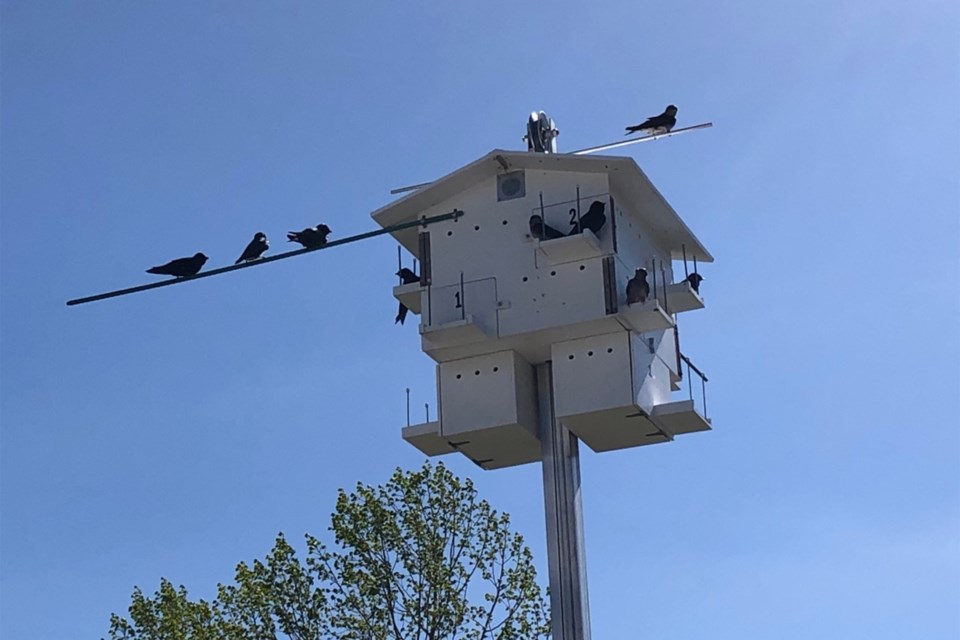
Carstairs couple helping their purple-feathered friends
2025-12-05
Local couple have created a thriving bird colony in their Carstairs yard
-

Bat-box owners wanted: Researchers launch 3-year survey to study health of bat populations
2025-12-05
Researchers also hope to learn why bats choose one bat box over another to have pups
-

It's almost too late:' Canada protects honey bees but native bee species are becoming endangered
2025-12-05
Before the rusty-patched bumble bee was listed as endangered in 2010, researchers wanted to know how many were still buzzing around. They spent more than 600 hours over eight years navigating through Ontario’s brush looking for the bees, but only spotted three, one in 2005 and two more in 2009.
-
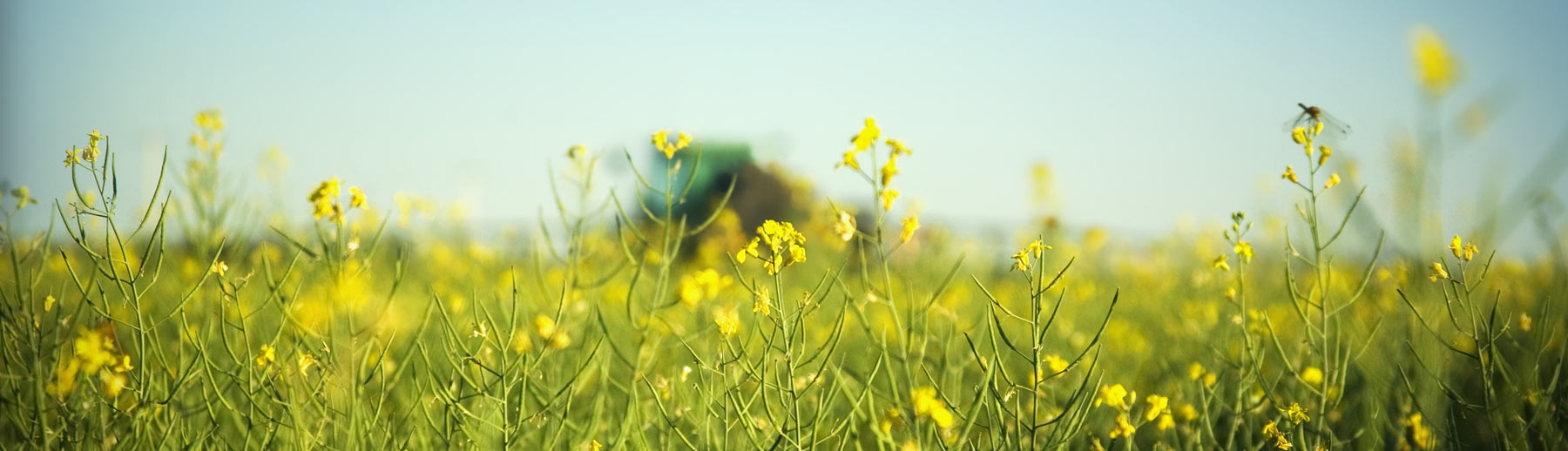
A Case for Pollinators in Canada
2025-12-05
Pollinators — such as bees, butterflies and many others species — face real and serious problems including habitat loss, pesticide use and climate change. Insect pollinators are declining around the world. . Without pollinators, our food system will suffer. We all need insect pollinators to thrive. But here at the Canadian Wildlife Federation, we are trying to give them a fighting chance.

Learn More

- 0
- 1