




-
 Booklets & handouts
Booklets & handouts
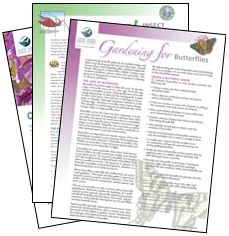
Take a closer look at the ways in which we’ll help you access the facts about wildlife. Whether it’s discovering the Hinterland Who’s Who animal fact sheets, or ordering our handy field guide to Canada’s prevalent shoreline species. </p> <h4>This content is available to our CWF Supporters and online members. Please sign in to order your free materials.<
More -
-
 Wallpapers
Wallpapers
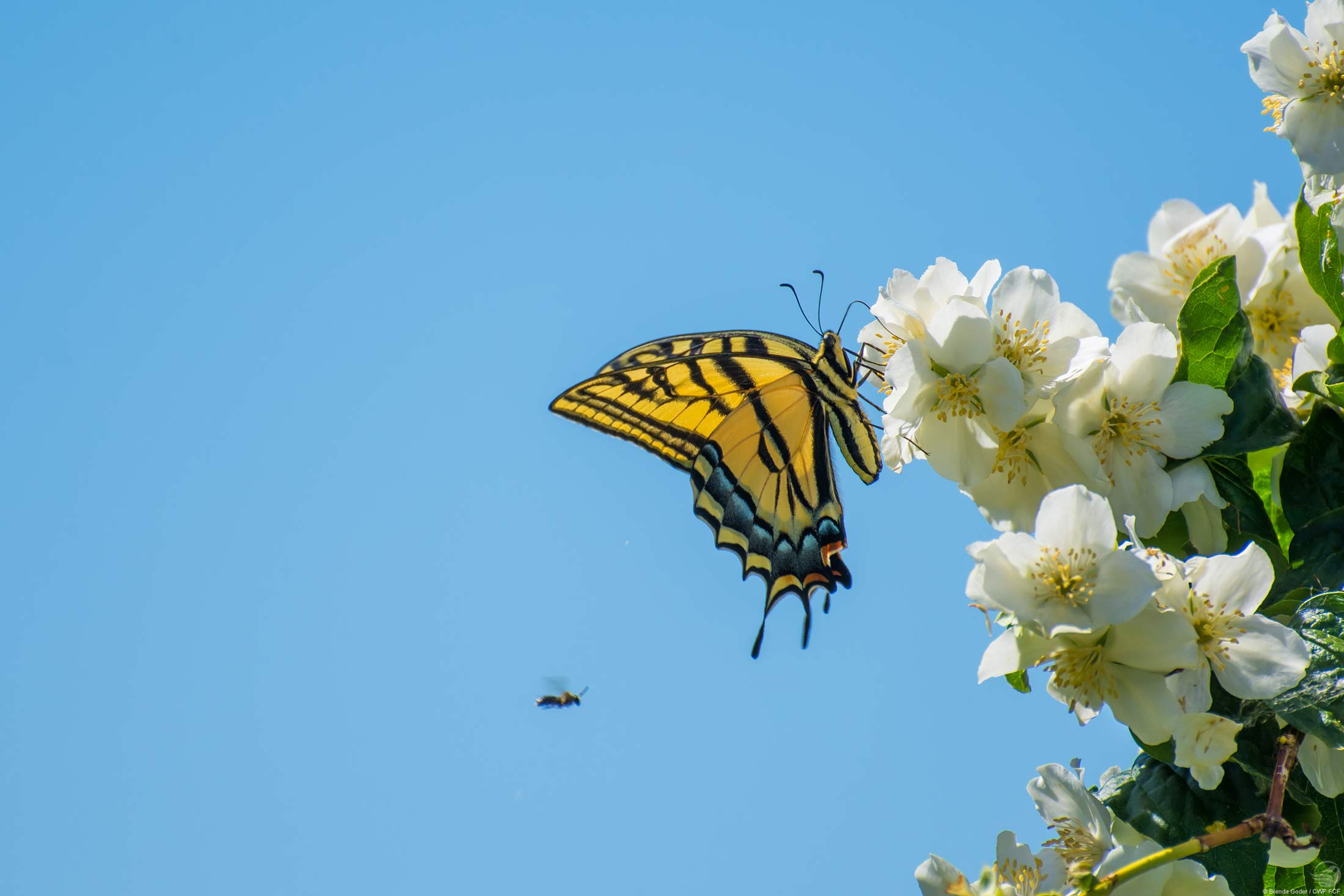
Your desktop is the perfect habitat for this wild wallpaper. Download CWF wallpapers!
More -
 WILD Webinars
WILD Webinars
With topics relating to conservation, wildlife and habitat, we provide a relevant online learning platform, typically for grades four to six but of benefit to any age.
More

From easy-to-use apps designed as tools for your citizen science projects to picturesque wallpaper images for your computer, CanadianWildlifeFederation.ca offers a variety of useful downloads for your PC and mobile devices.
Coasts & Oceans
Connecting With Nature
-

Connecting People, Planet, and Prosperity: A Webinar Series for Earth Week 2025
2025-12-05
Earth Day 2025 provides an ideal platform to inspire global action and foster collaboration for a sustainable future. To mark this significant occasion, we propose a four-part webinar series during Earth Week, focusing on the intersections between biodiversity and critical global issues. This series will bring together leading experts, practitioners, and stakeholders to explore practical solutions and promote action-oriented dialogue.
-
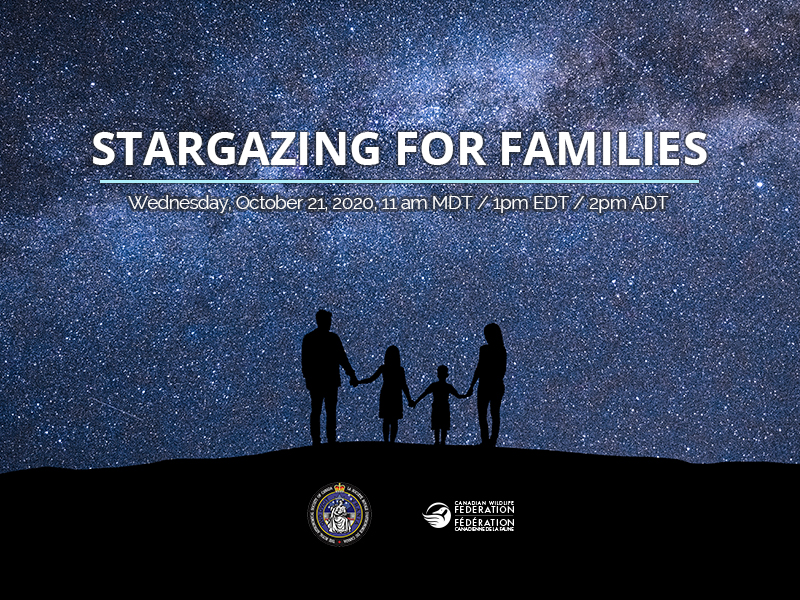
Stargazing for Families
2025-12-05
Wednesday, October 21 11am MT / 1pm ET / 2pm AT Online CWF & RASC Looking for ways to get outside with your family this fall? As the days start to shorten, stargazing offers a great opportunity to take advantage of the early evening hours, connect with nature and learn more about the night sky! Join Ian Wheelband from the Royal Astronomical Society of Canada's Toronto Centre and the Canadian Wildlife Federation (CWF) for a family-friendly introduction to stargazing! Gain practical tips and tools to help you get started and discover what stars, constellations and planets can be seen from your backyard. Family members of all ages are welcome to attend. No experience required - just be sure to bring your curiosity! This webinar is being offered as part of CWF's WILD Family Nature Club program. Check out our online community hub for more family-friendly resources, events and activities!
-
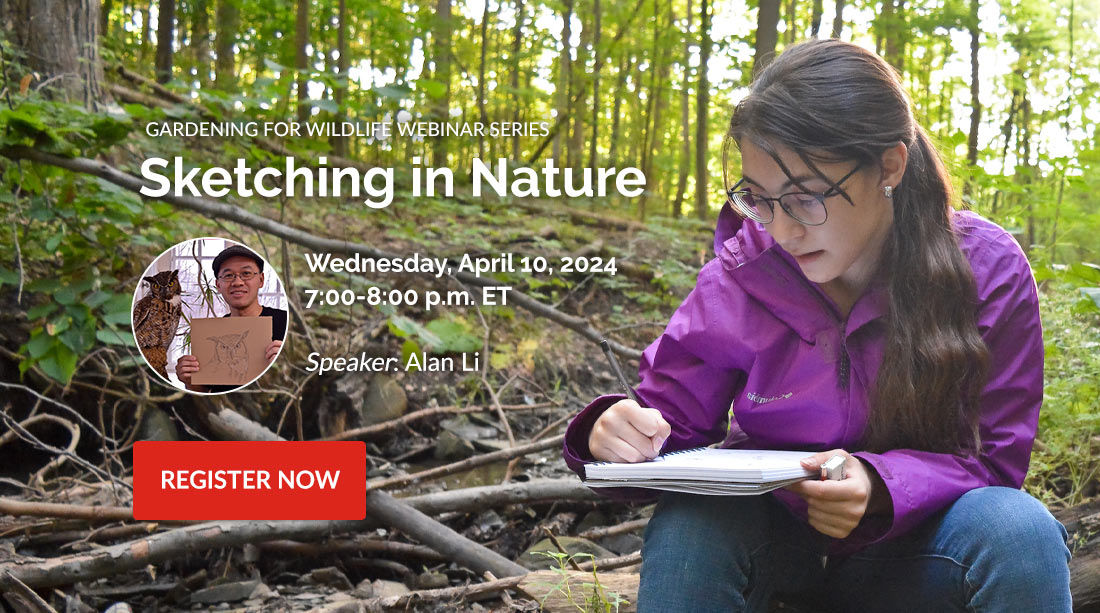
Sketching in Nature
2025-12-05
Join CWF for our webinar “Sketching in Nature”, a creative activity that can enrich your understanding of the natural world. Our guest speaker, Alan Li, is both a brilliant artist and a down-to-earth teacher who will share practical advice on sketching outdoors including which art supplies work best in the field. He will also give you a peek inside his sketchbooks and provide tips on how to make expressive sketches of your subjects, whether it’s a perching bird or fallen leaf, without sacrificing accuracy or realism. Sketching is for all ages and all abilities. You do not require an art degree nor do you need to feel intimidated. The best place to begin your sketching adventures is close to home; your local park, a nearby creek or woodlands are wonderful places to explore.
-
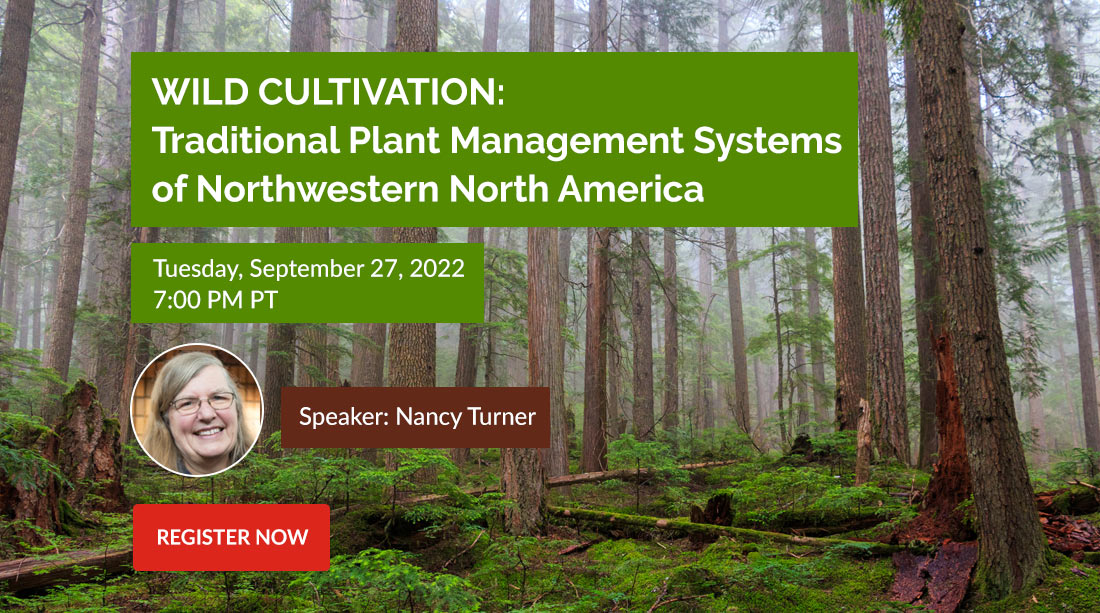
“Wild cultivation”: Traditional Plant Management Systems of Northwestern North America
2025-12-05
Please join CWF Tuesday September 27 at 7:00 p.m. Pacific Time (10 p.m. Eastern Time) for a very special presentation with Nancy Turner, an award-winning ethnobotanist who has worked with Indigenous Elders and knowledge holders in western Canada for over 50 years. Nancy will share her insights on how the cultural values of the Indigenous Peoples in the Northwest have enhanced both the health of the land and their harvests. We hope you will join us for this special event! About Nancy Turner: Nancy Turner is an ethnobotanist, and Distinguished Professor Emerita, School of Environmental Studies, University of Victoria, Canada. She has worked with First Nations elders and cultural specialists in northwestern North America for over 50 years, helping to document, retain and promote their traditional knowledge of plants and environments, including Indigenous foods, materials and traditional medicines. Her two-volume award-winning book, Ancient Pathways, Ancestral Knowledge (July, 2014; McGill-Queen’s University Press), integrates her long-term research. She has authored or co-authored/co-edited 30 other books, including: Plants of Haida Gwaii; The Earth’s Blanket; “Keeping it Living” (with Doug Deur); Saanich Ethnobotany (with Richard Hebda), and Food Plants of Coastal First Peoples, and over 150 book chapters and papers. Her recent edited book is Plants, People and Places: the Roles of Ethnobotany and Ethnoecology in Indigenous Peoples’ Land Rights in Canada and Beyond (2020). She has received a number of awards for her work, including membership in Order of British Columbia (1999) and the Order of Canada (2009), honorary degrees from University of British Columbia, University of Northern British Columbia and Vancouver Island and Simon Fraser Universities.
-
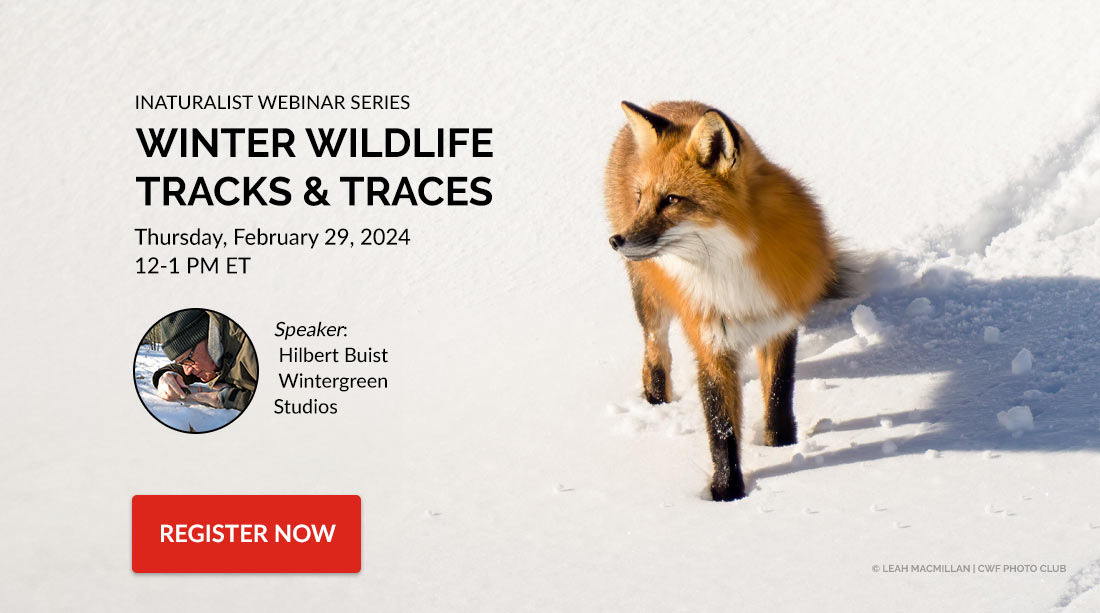
Winter Wildlife Tracks & Traces
2025-12-05
Explore the wide world of winter wildlife in your yard, down the street, in your local park or your favourite hiking wilderness by what they leave behind! Find out how birds and animals move and survive in the winter by examining their tracks and trails, browse and beds and scrapes and scat. Discover the difference between tracks of domestic dogs and cats and the wildlife who live among us but we hardly ever see.
Education & Leadership
Endangered Species & Biodiversity
-
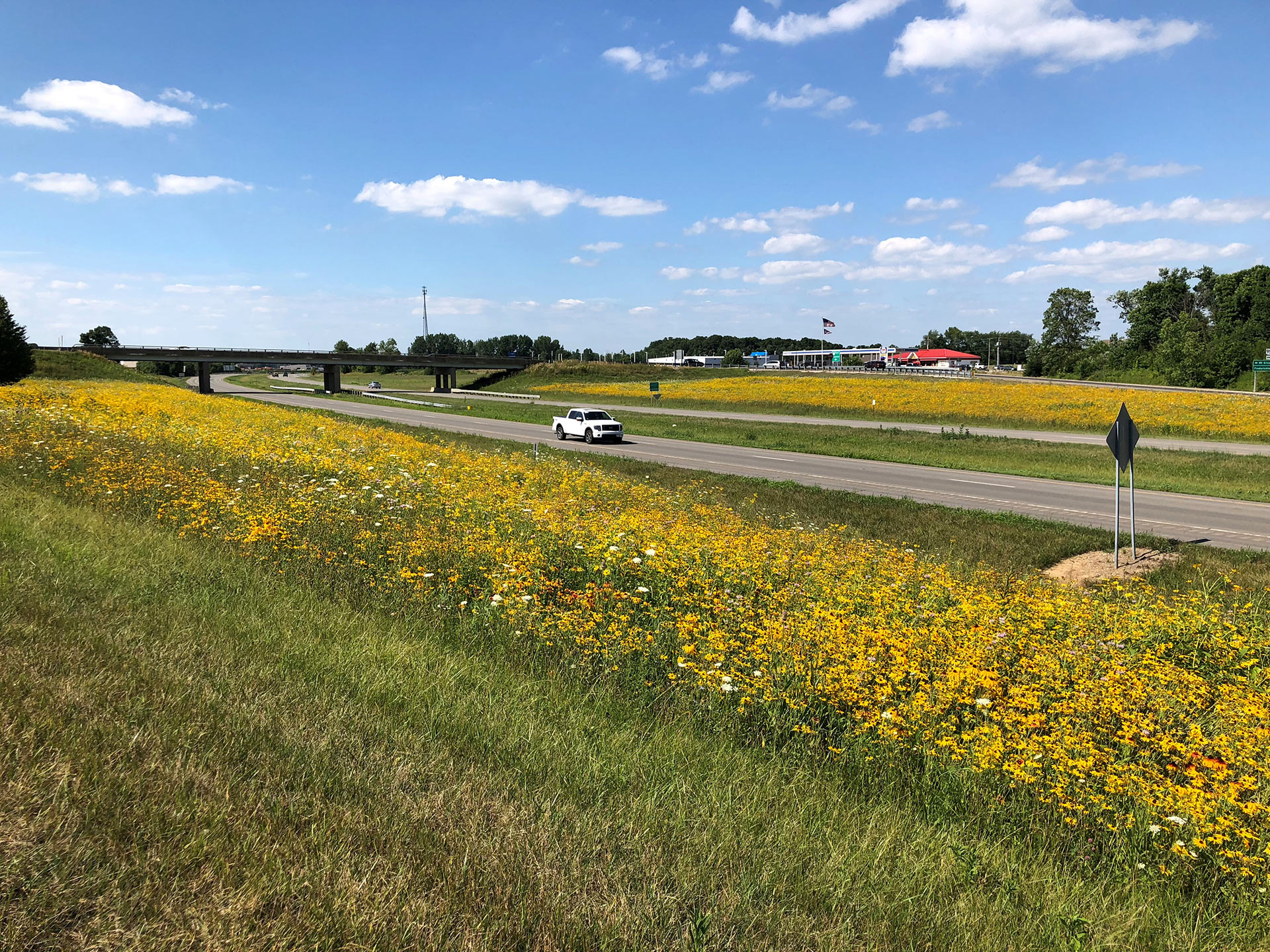
Creating Pollinator Habitat: Opportunities and Examples from Roadsides and other Right-of-Ways
2025-12-05
Pollinating insects are in crisis across North America, with steep declines in some groups. This introductory webinar in our 2019-2020 Pollinator Series will discuss the opportunities that transportation, utility and other corridors present to increase and improve available pollinator habitat across the landscape. Examples from all sectors will be discussed, and the highlights of CWF’s 2019 pilot project in eastern Ontario will be presented.
-

Invasive Species: Something Fishy in Canada’s Lakes & Rivers
2025-12-05
Grades 2-9, Science, Animals, Environmental Stewardship Join the Canadian Wildlife Federation (CWF) and the Centre for Global Education as we investigate what's happening in Canadian rivers and oceans. Our conversation will cover the roles of different species, how invasive species impacts local ecology, and what we can do to better support at-risk habitats.
-
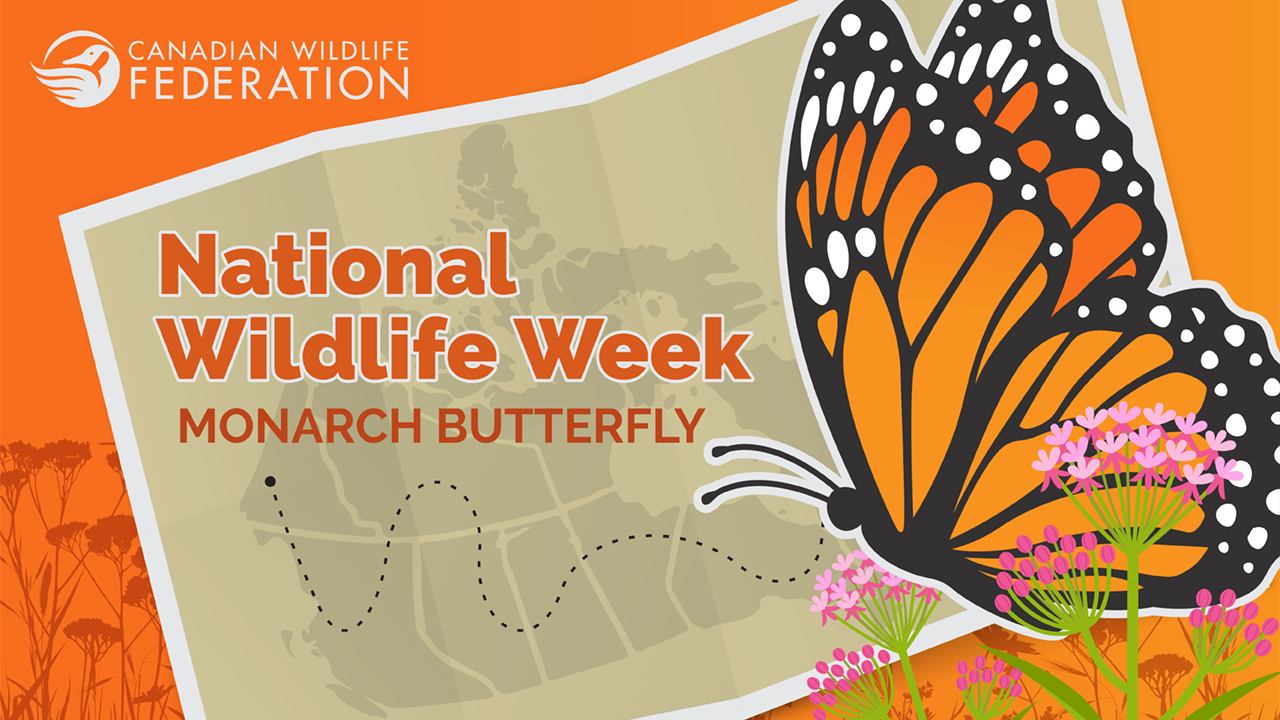
Monarch Butterflies With Michelle McPherson
2025-12-05
Michelle is a Wildlife Biologist with the Canadian Wildlife Federation. Her current area of focus is the Right-of-Way (ROW) Pollinator Habitat project, which is focused on the restoration of native meadow along roadsides, utility corridors, and solar farms in conjunction with a network of ROW managers. Join Michelle to learn more about what CWF is doing in collaboration with industry and community partners to restore habitat connectivity for pollinators, including the endangered Monarch butterfly.
-
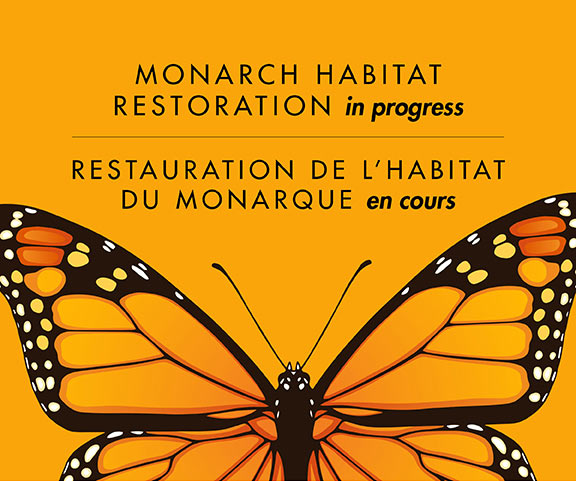
Managing Rural Roadsides for Pollinator Habitat
2025-12-05
Lanark County Lanark County is a rural municipality in eastern Ontario – to the west of Ottawa, Ontario – managing approximately 600 kilometres of county roads. Since 2016, Lanark County has followed an integrated vegetation management (IVM) plan to control invasive plants, especially wild parsnip, that encroach on pollinator habitat. In addition to controlling invasive plants, the goal of the IVM plan was also to re-establish desirable native vegetation along roadsides. To achieve these goals, Lanark County changed mowing practices, implemented integrated control measures to reduce impact to desirable vegetation (i.e. targeted spot spraying, hand control of invasives, reseeding disturbed sites, etc.), and improved hydroseeding practices with native seed to promote pollinators. Lanark County has been successful in reducing invasive plant infestations and improving pollinator habitat on almost 450 hectares of rural roads, and now has the opportunity to share some lessons learned with other municipalities about how they can help improve pollinator habitat along roadsides.
-
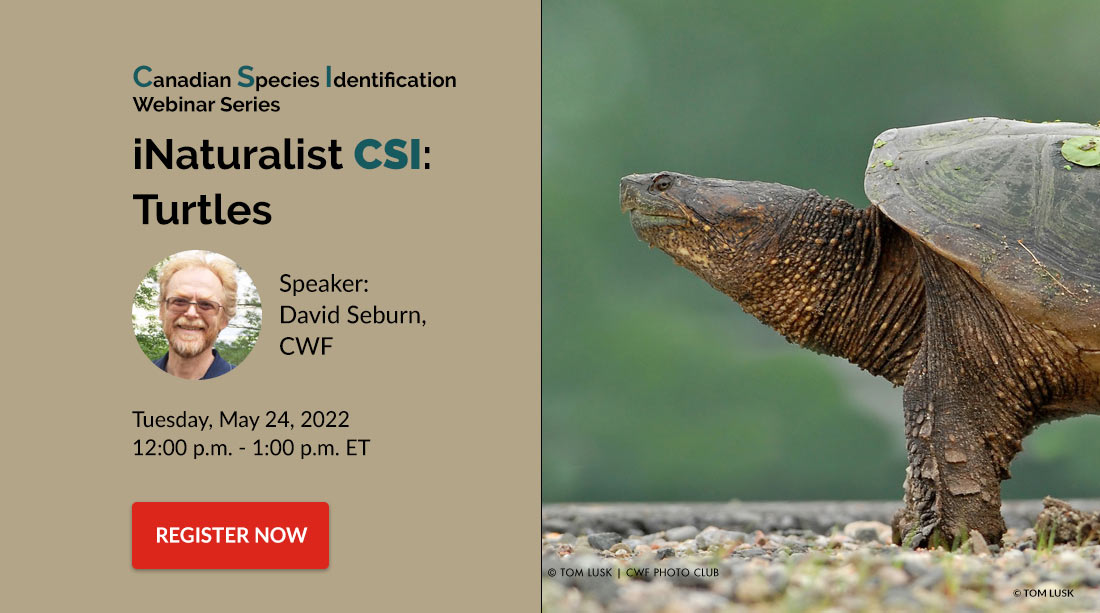
iNaturalist CSI: Turtles
2025-12-05
Join the Canadian Wildlife Federation (CWF) for a webinar in our Canadian Species Identification Webinar Series, demonstrating how to photograph and identify turtles using iNaturalist Canada, with CWF’s very own turtle expert David Seburn in English and CWF’s Annie Belair in French. Freshwater turtles are in decline throughout Canada. CWF’s HelpTheTurtles.ca initiative is working to change this but we need your help! Knowing where turtles are found is an important first step to fixing the problem. Tallying everyone's observations will help us target which roads we need to look at for mitigation measures and which wetlands we need to keep an eye on. By uploading your turtle sightings to iNaturalist.ca, you can directly contribute to turtle conservation. iNaturalist has become one of the world’s most popular nature apps and the Canadian Wildlife Federation has led the charge in bringing it to the forefront of Canadian citizen science. CWF is carrying out our own surveys on roads and in wetlands for at-risk turtles and working with Scales Nature Park, but we can't be everywhere. Your information is critical so we can work with municipalities and transport agencies to reduce the risks to turtles. Learn how to identify turtle species and take identifiable photos of turtles to help us, help them! English Webinar Date: May 24, 2022, 12:00-1:00 ET French Webinar Date: May 26, 2022, 12:00-1:00 ET
Forests & Fields
-
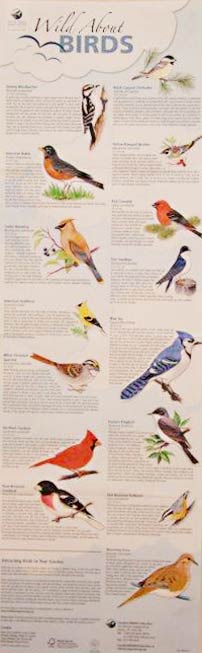
-
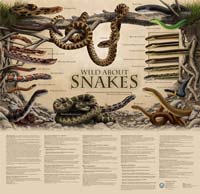
Wild About Snakes Poster
2025-12-05
Snakes are a very useful addition to any garden. Red-bellied and garter snakes are major predators of slugs. Snakes also prey on grubs, mice, rats, snails, leeches, centipedes and other invertebrates. In this way they play an important role in keeping pest populations under control.Most of Canada’s snakes are non-aggressive and shy. They will avoid encounters with humans whenever possible. However, like most wild creatures, snakes may bite in self-defence if handled, so it is best to leave them in peace.
-
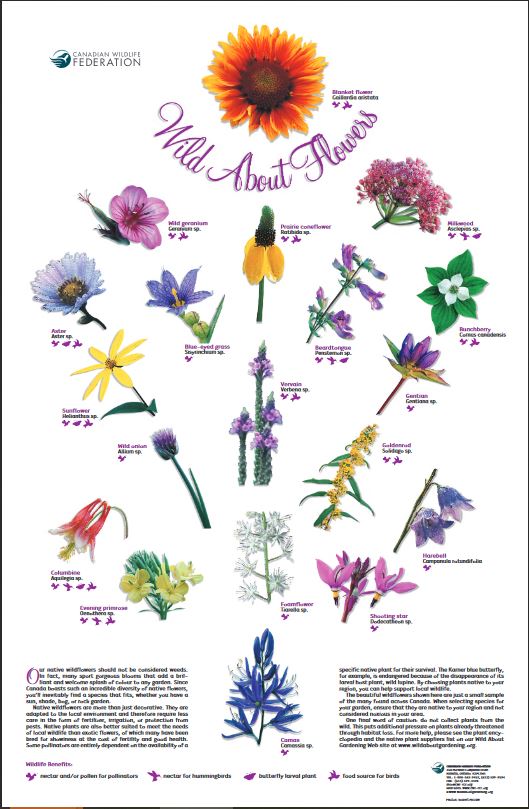
Wild About Wildflowers Poster
2025-12-05
Our native wildflowers should not be considered weeds. In fact, many sport gorgeous blooms that add a bril-liant and welcome splash of colour to any garden. Since Canada boasts such an incredible diversity of native flowers, you’ll inevitably find a species that fits, whether you have a sun, shade, bog, or rock garden.
-
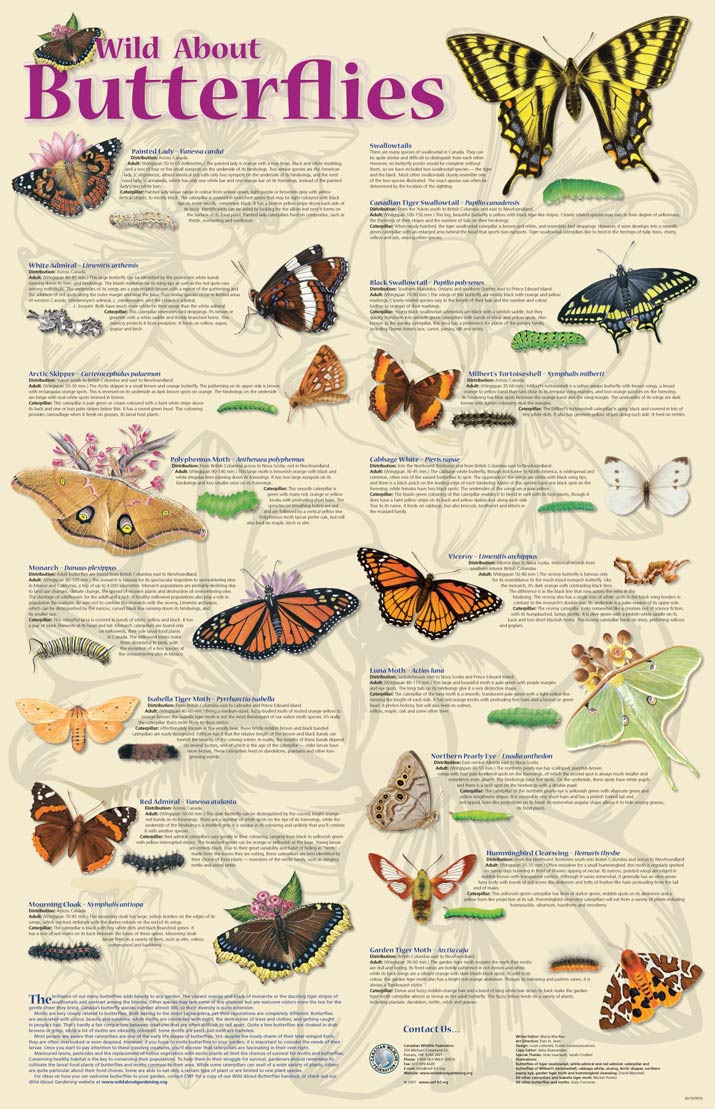
Wild About Butterflies Poster
2025-12-05
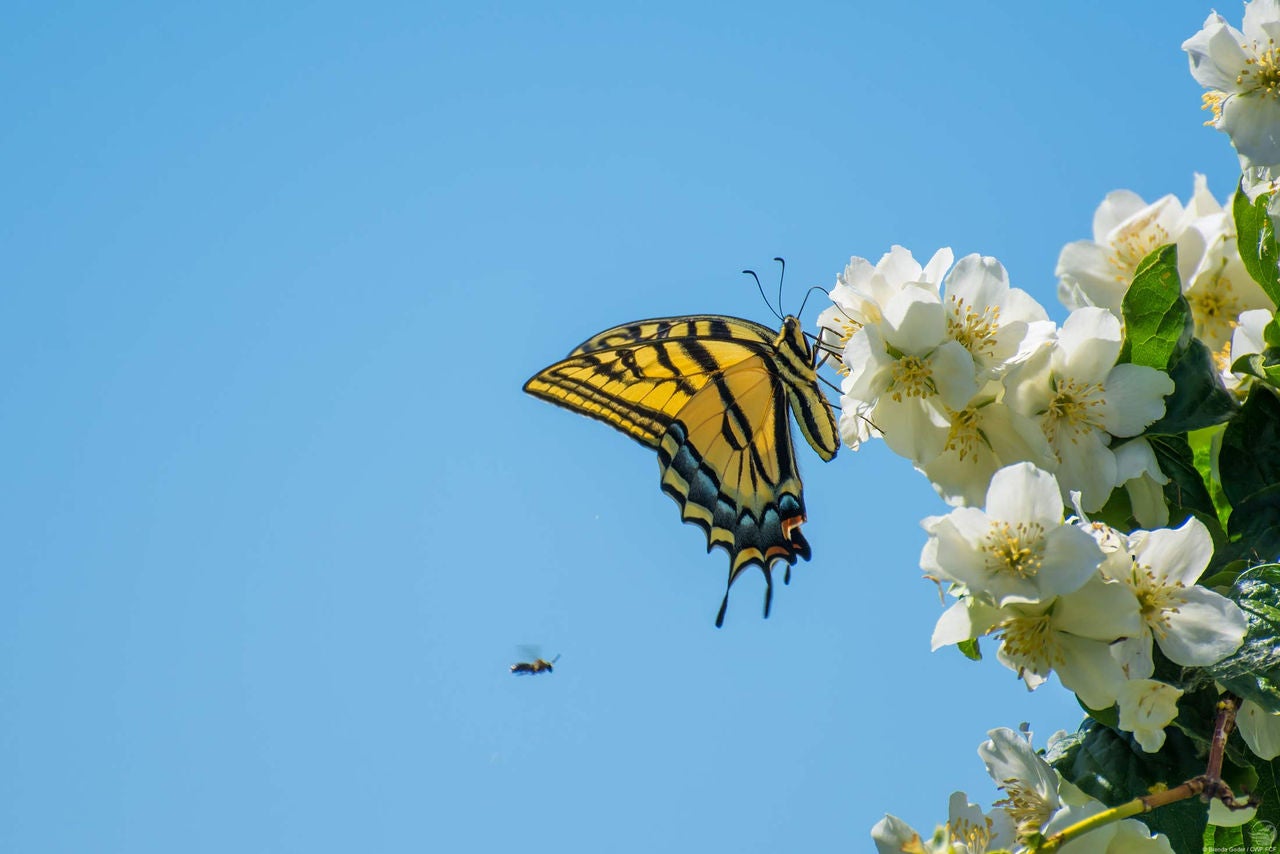
The brilliance of our many butterflies adds beauty to any garden. The vibrant orange and black of monarchs or the dazzling tiger stripes of swallowtails add contrast among the blooms. Other species may lack some of this glamour but are welcome visitors none the less for the gentle cheer they bring.
-
Lakes & Rivers

Learn More

- 0
- 1
- 2
- 3