




-
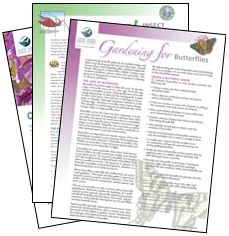 Booklets & handouts
Booklets & handouts
Take a closer look at the ways in which we’ll help you access the facts about wildlife. Whether it’s discovering the Hinterland Who’s Who animal fact sheets, or ordering our handy field guide to Canada’s prevalent shoreline species. </p> <h4>This content is available to our CWF Supporters and online members. Please sign in to order your free materials.<
More -
-
 Wallpapers
Wallpapers
Your desktop is the perfect habitat for this wild wallpaper. Download CWF wallpapers!
More -
 WILD Webinars
WILD Webinars
With topics relating to conservation, wildlife and habitat, we provide a relevant online learning platform, typically for grades four to six but of benefit to any age.
More

From easy-to-use apps designed as tools for your citizen science projects to picturesque wallpaper images for your computer, CanadianWildlifeFederation.ca offers a variety of useful downloads for your PC and mobile devices.
-
testing
2025-11-20
Coasts & Oceans
-
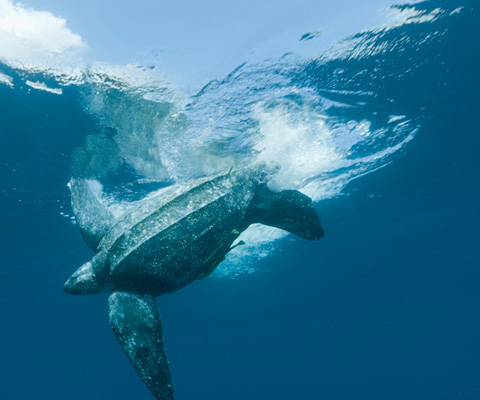
Canada's Turtles Webinar
2025-12-05
A leatherback turtle presentation by Dr. Sean Brilliant, Manager of Marine Programs for CWF, and Dr. Mike James, a marine turtle scientist with Fisheries and Oceans Canada. This webinar will focus on the lifecycle and ecology of Canadian leatherback turtles and the CWF Great Canadian Turtle Race.
-
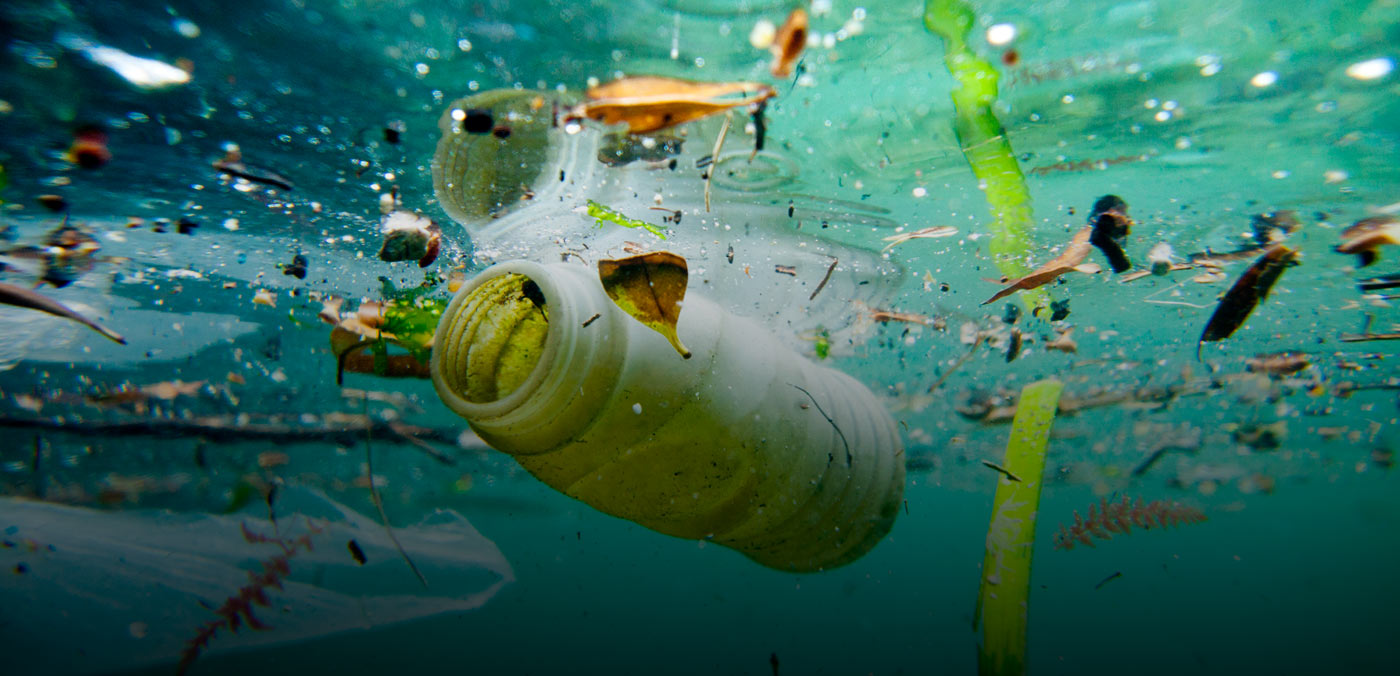
Plastics in Our Waterways
2025-12-05
'Plastics in our waterways: how do they harm wildlife?' Join in as we discuss the types, sources and impacts of plastic pollution in Canadian aquatic ecosystems, where you can find microplastics in your home, and learn what we can do to reduce the “plastic problem.”<br>June 14<br>1:00pm
-
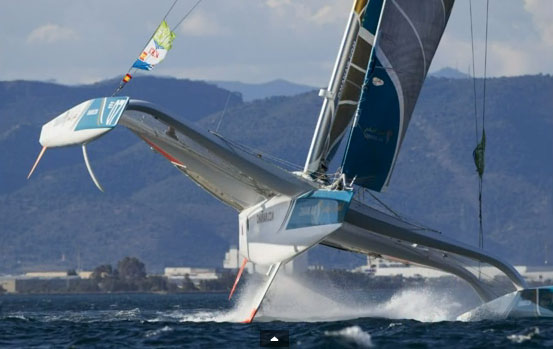
The Launch
2025-12-05
'The Build' webinar series has followed teacher Anthony Beer and his class on the Gaspé penisula, Québec as they have built a wooden Mirror sailing dinghy from scratch - Now it's time for 'The Launch'. <br>May 12<br>1:30pm
-
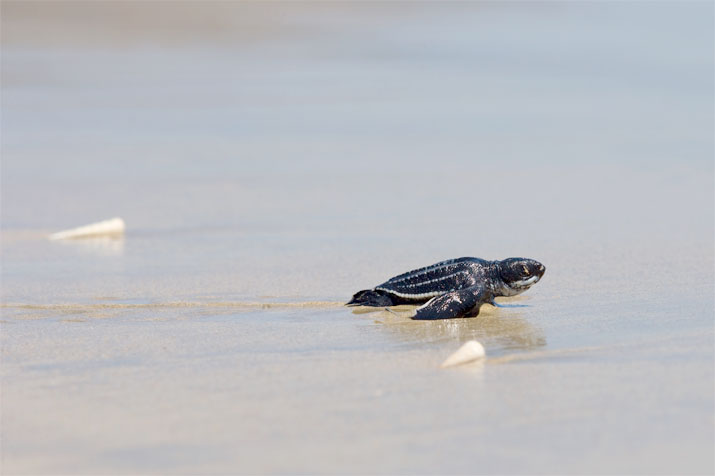
Following Leatherback Sea Turtles as they Migrate to their Southern Nesting Grounds
2025-12-05
A leatherback turtle presentation by Dr. Sean Brilliant, Manager of Marine Programs for CWF, and Kathleen James, Canadian Sea Turtle Network.
-
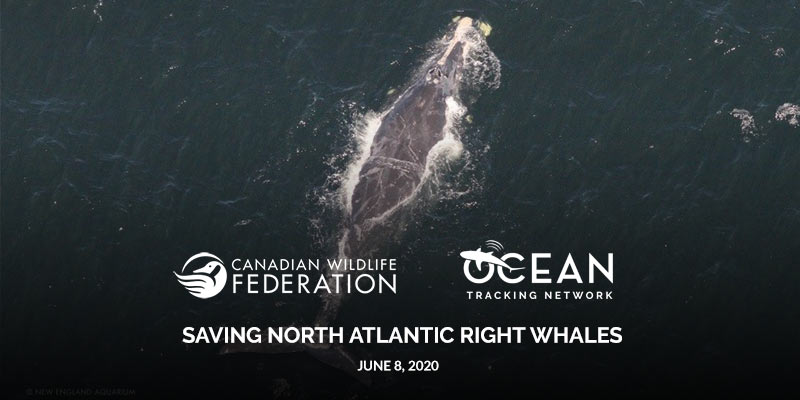
Saving North Atlantic Right Whales
2025-12-05
Join the Ocean Tracking Network (OTN) and the Canadian Wildlife Federation (CWF) on World Oceans Day for a talk on the North Atlantic right whale—one of the most endangered whales in the world—that relies on the plankton-rich waters of the Maritimes, and faces dire threats from ship strikes, fishing entanglements and climate-driven changes in food sources and habitat. Historically found throughout the Atlantic Ocean, today North Atlantic right whales overwinter and calve in the south between Georgia and Northern Florida, and move north to Canada to feed in the plankton-rich waters of the Bay of Fundy, off the Scotian Shelf, and in the Gulf of St. Lawrence in the summer. After centuries of whaling, populations of some whale species have rebounded, but entanglements and ship strikes remain a serious problem for the conservation of large baleen whales, including for North Atlantic right whales. Due to human-induced stressors as well as lower calving rates since 2010, experts predict that right whales could become extinct in as little as 20 years. Tune in to learn more from Canadian Wildlife Federation’s right whale expert Sean Brillant about how we can work together to ensure a future for this iconic and critically endangered species.
Connecting With Nature
-
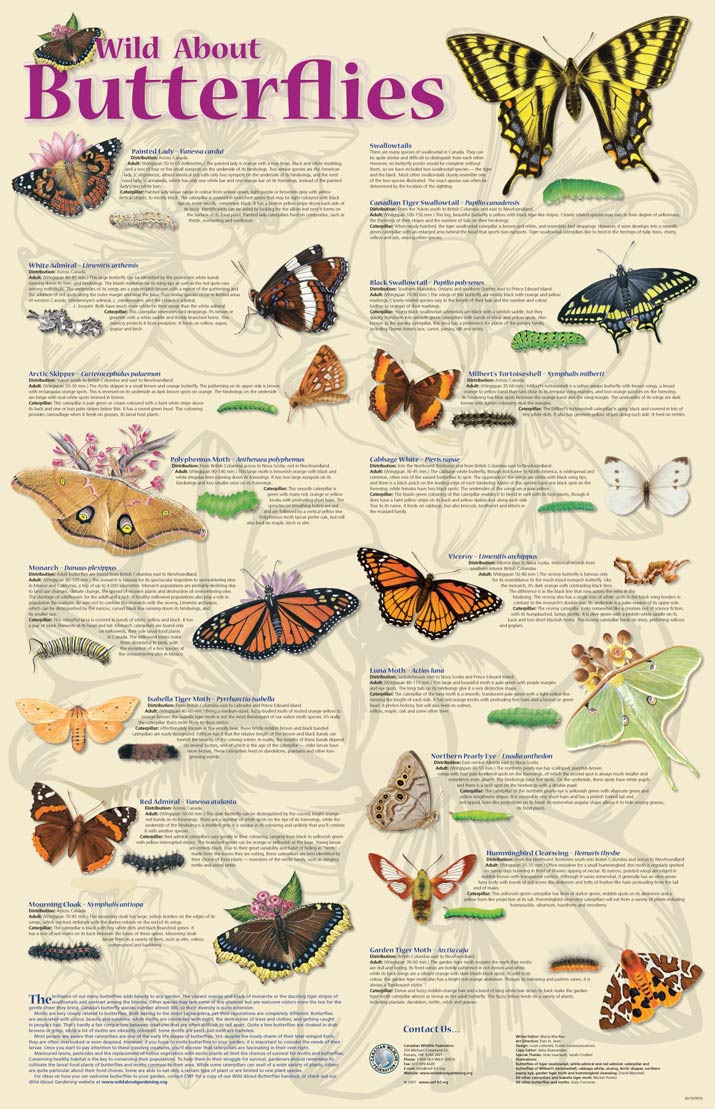
Wild About Butterflies Poster
2025-12-05
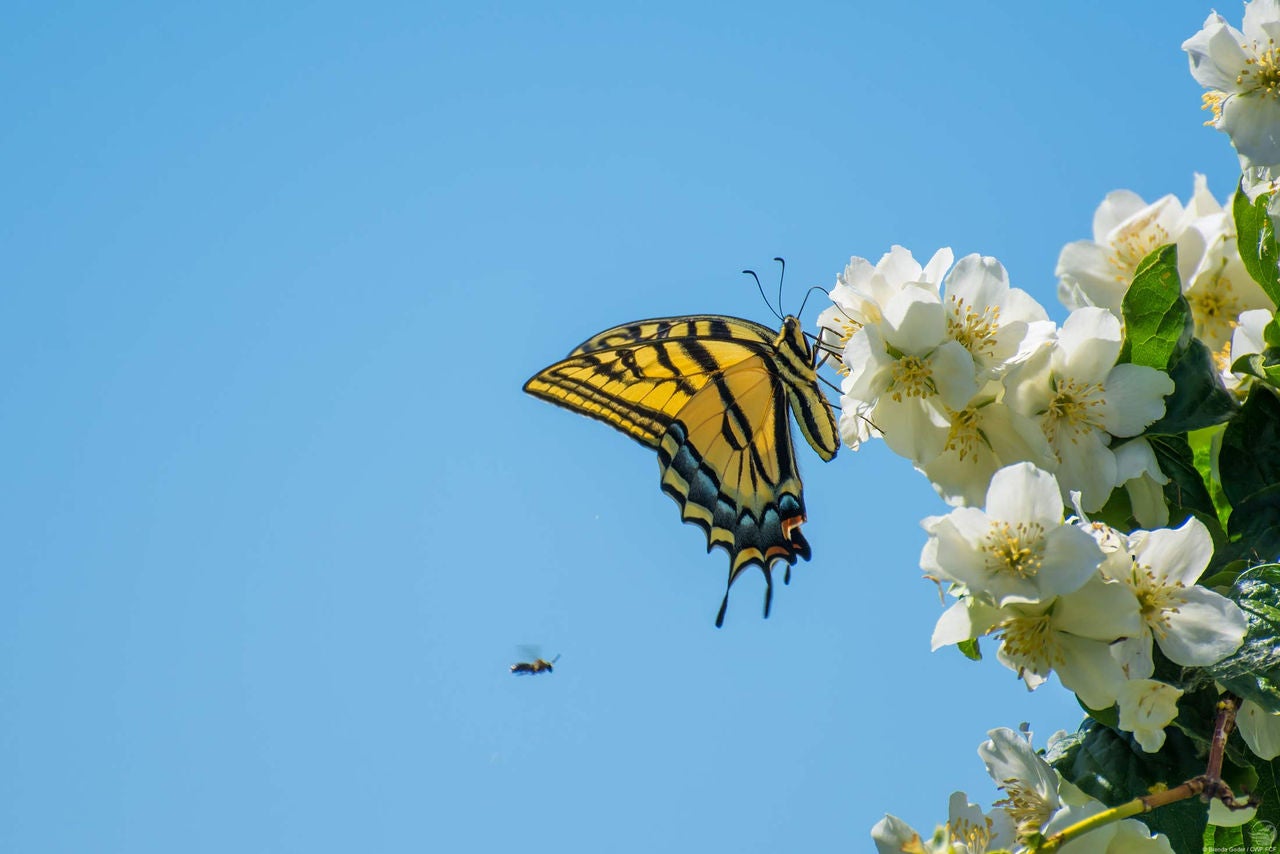
The brilliance of our many butterflies adds beauty to any garden. The vibrant orange and black of monarchs or the dazzling tiger stripes of swallowtails add contrast among the blooms. Other species may lack some of this glamour but are welcome visitors none the less for the gentle cheer they bring.
-
-
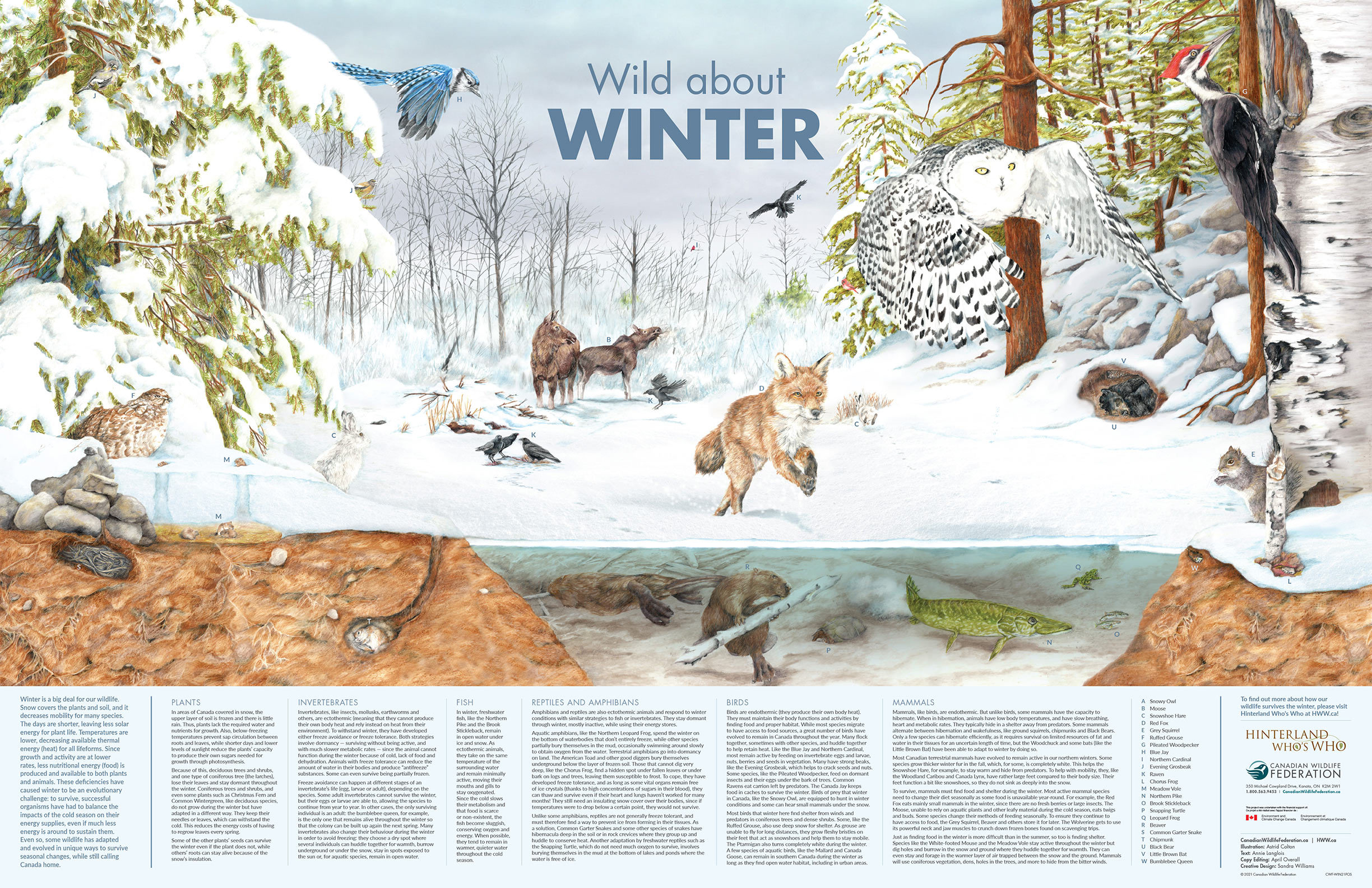
Wild About Winter Poster
2025-12-05
Winter is a big deal for our wildlife. Snow covers the plants and soil, and it decreases mobility for many species. The days are shorter, leaving less solar energy for plant life. Temperatures are lower, decreasing available thermal energy (heat) for all lifeforms. Since growth and activity are at lower rates, less nutritional energy (food) is produced and available to both plants and animals. These deficiencies have caused winter to be an evolutionary challenge: to survive, successful organisms have had to balance the impacts of the cold season on their energy supplies, even if much less energy is around to sustain them. Even so, some wildlife has adapted and evolved in unique ways to survive seasonal changes, while still calling Canada home.
-
Gardening for Wildlife Handouts and Posters
2025-12-05
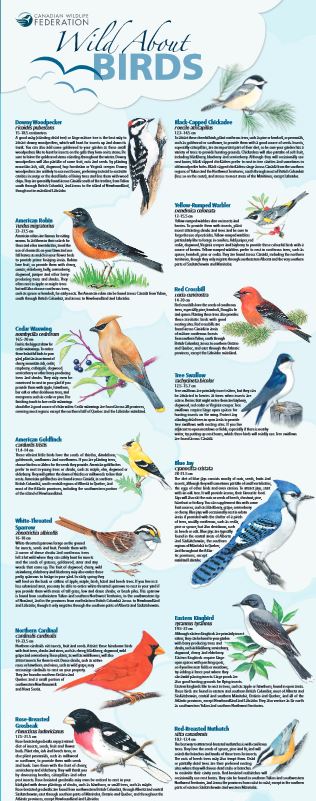
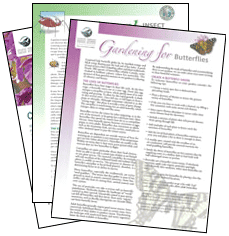
Download a variety of handouts including Gardening for Pollinators and Natural Insect Control. Or order a poster on Canada’s birds, bees, butterflies and much more!
Education & Leadership
-
Birding for Families
2025-12-05
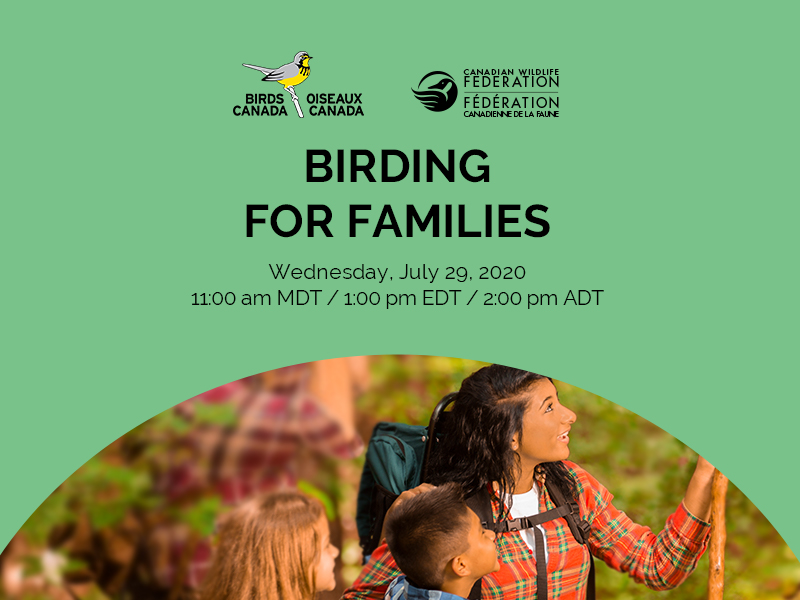
Looking for new ways to get outside with your family this summer? Birdwatching offers a great opportunity for you and your kids to connect with nature close to home. The best part? Birds can be found everywhere! Whether you live in a downtown high-rise or in the country, you’ve likely seen or heard one of our feathered friends close by. Join Birds Canada and the Canadian Wildlife Federation for a family-friendly introduction to the world of birds and gain practical tips and resources to help you get started with birding. All that you need is a keen eye, a few basic resources, and your curiosity! Both adults and children are welcome to attend!
-
Discover Canada’s Native Bees (French Only)
2025-12-05
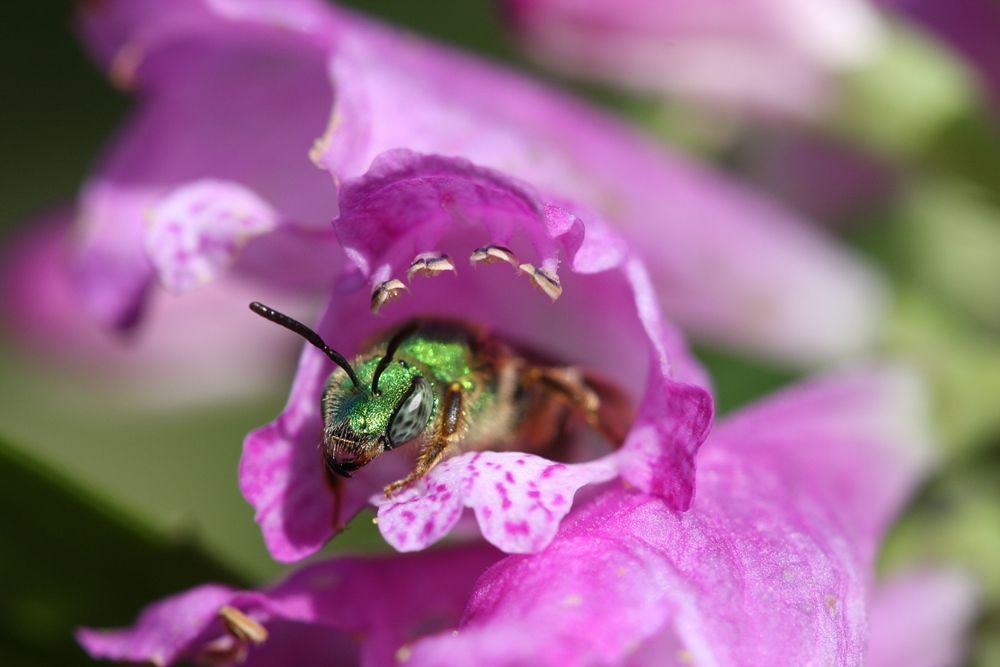
Join Cécile Antoine -PhD Candidate in Biology at UOttawa- on her journey to discover native bees that you may encounter in your gardens and parks around Ottawa, or the rest of the country. Cécile will share her passion by giving details on the biology and ecology of wild bees. She will also explain her research findings on bees that nest in the ground, which represent ¾ of the species, and is the focus of her studies. Learn more on how to support wild bees by attending this webinar!
-
-
WILD Webinars
2025-12-05
With topics relating to conservation, wildlife and habitat, we provide a relevant online learning platform, typically for grades four to six but of benefit to any age.
-
Hummingbirds With Sarah Coulber
2025-12-05
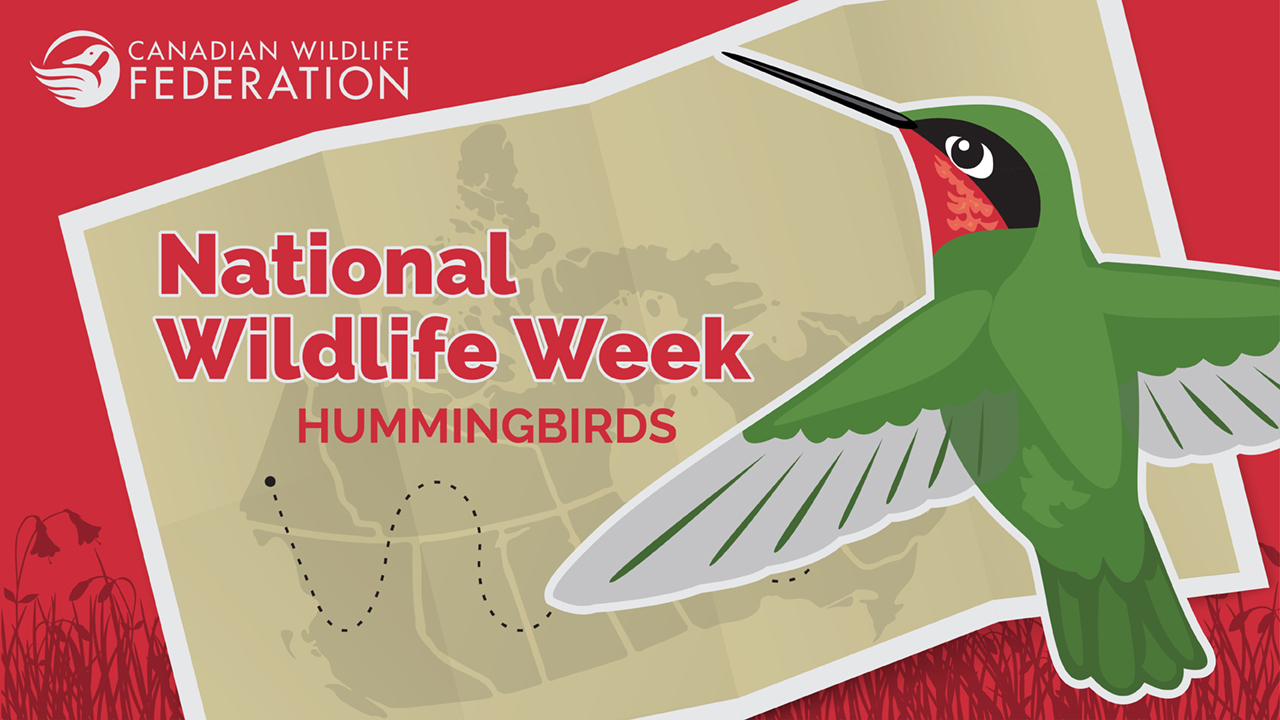
Sarah’s love of nature led to several environmental jobs with municipalities and naturalist volunteer roles before joining the Canadian Wildlife Federation over 20 years ago. Sarah runs the Gardening for Wildlife program where she helps Canadians discover, appreciate and support the incredible nature that surrounds us. Join Sarah to discover the migration, nesting, and feeding habits of Canada’s hummingbird species, and explore simple ways you can help hummingbirds at home or school!
Endangered Species & Biodiversity
-
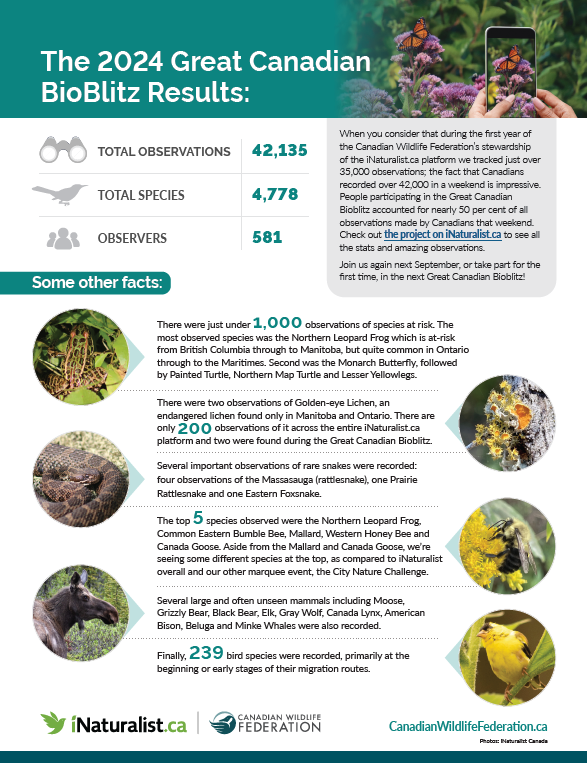
The 2024 Great Canadian Bioblitz Results
2025-12-03
-
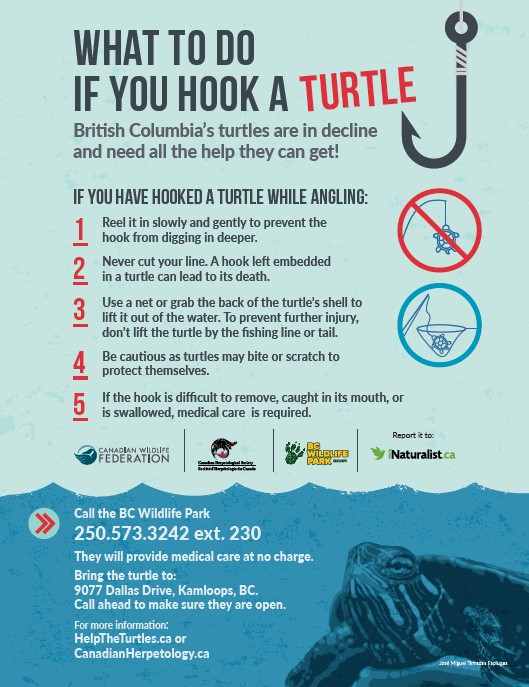
What to do if You Hook a Turtle in B.C.
2025-12-05
British Columbia’s turtles are in decline and need all the help they can get!
-
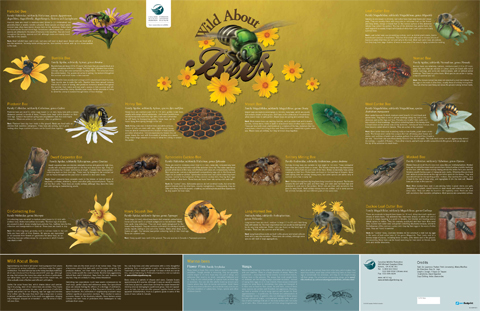
Wild About Bees Poster
2025-12-05
Approximately one-third of all human food is prepared from plants that depend on animal pollinators — and bees make the biggest contribution. The most familiar bee is the honey bee (Apis mellifera), which was introduced from Europe almost 400 years ago. Although we may first picture the honey bee when we think of pollinators, our native bees, such as the bumble bee or the mason bee, are often actually more effective and efficient pollinators. Unlike the social honey bee, which shares labour and caretak-ing of its young, most of our native bees are solitary. This means that each female prepares her own nest, provisions it with food (nectar and pollen) for her offspring, lays her eggs and provides little further care.
-
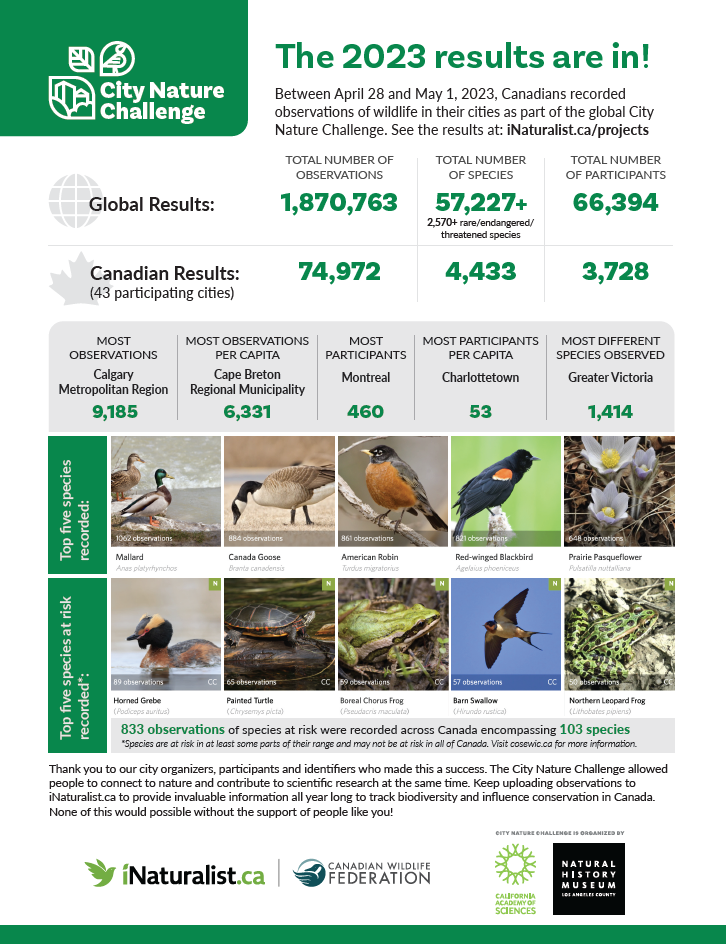
The City Nature Challenge 2023 Results
2025-12-05
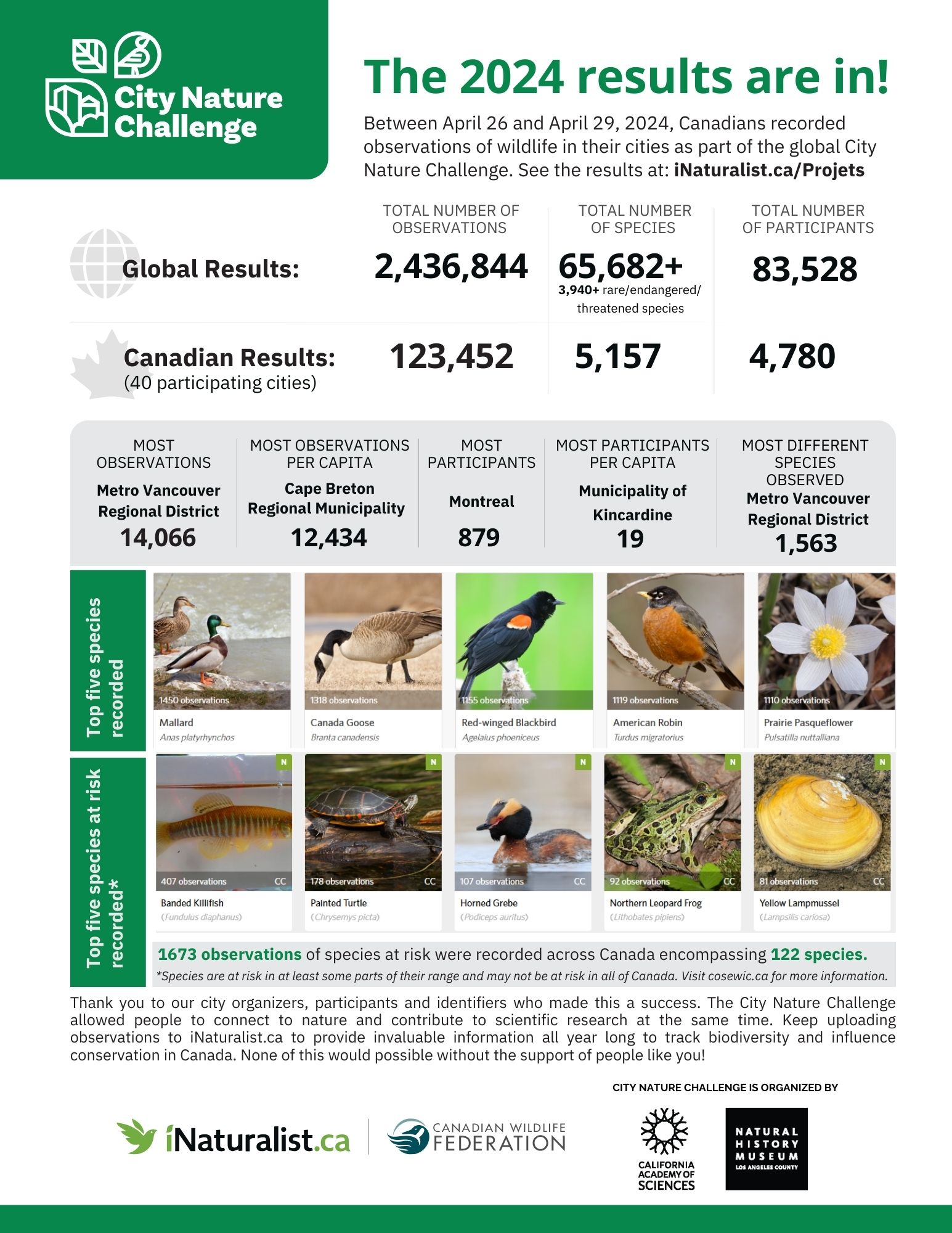
Between April 28 and May 1, 2023, Canadians recorded observations of wildlife in their cities as part of the global City Nature Challenge. See the results at: iNaturalist.ca/projects
Forests & Fields
-
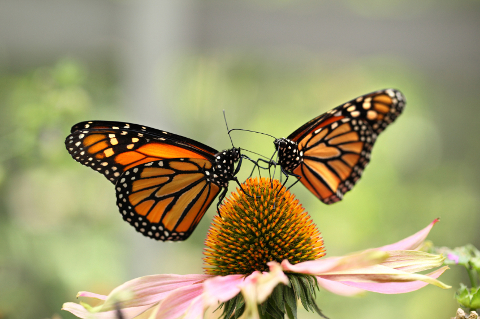
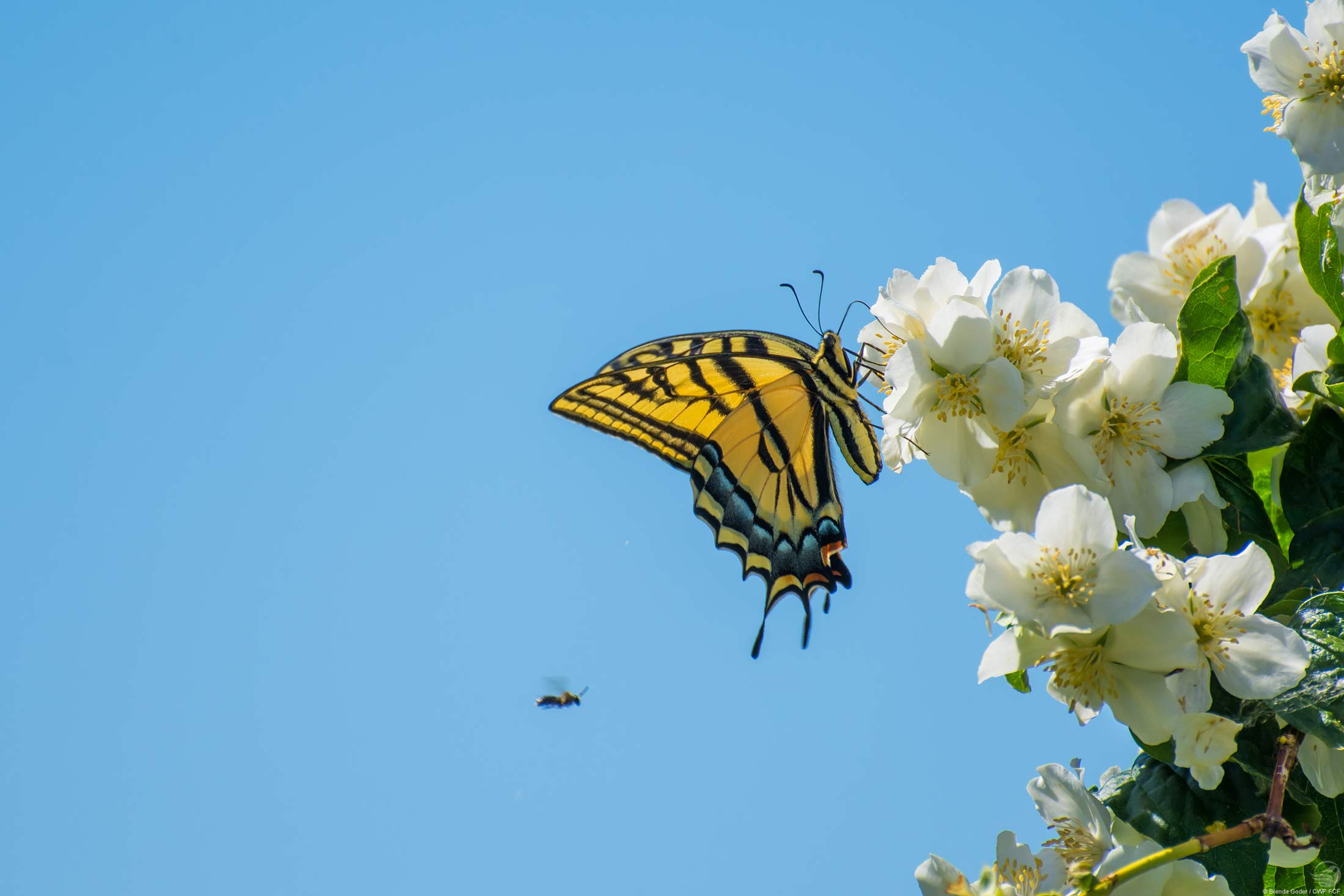
Monarch butterfly
2025-12-05
We’re featuring a monarch butterfly nabbing some nectar for a mid-afternoon snack
-

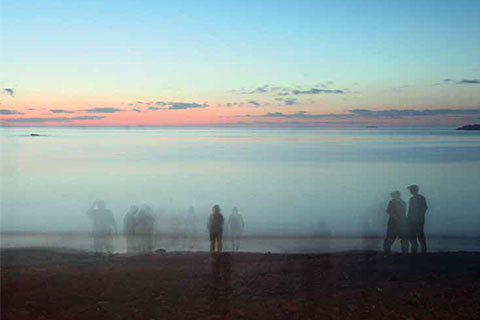
Horseshoe Bay, Pukaskwa National Park, Ontario
2025-12-05
Download this wallpaper of Horseshoe Bay, Pukaskwa National Park, Ontario
-
-
-
Lakes & Rivers
-
What’s the Big Eel?
2025-12-05
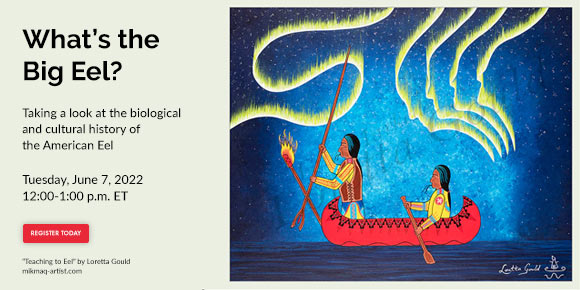
June 7, 2022, 12:00 – 1:00 p.m. ET. Join CWF’s Senior Conservation Freshwater Ecology Biologist Nicholas Lapointe and Jennifer Sylliboy, Program Manager Unama’ki Institute of Natural Resources, as they discuss the biological and cultural history of the American Eel. Jennifer will present on American Eel in the Bras d’Or Lake, Cape Breton, Nova Scotia and the relationship between Kat (eel) and the Mi’kmaq people. The population of American Eel has declined in the Bras d’Or Lakes over the past 20 to 30 years. While many Mi’kmaw harvesters feel the population is still good and has seen its ups and downs, its future is uncertain. Mi’kmaq people have traditionally harvested adult eel for food and cultural purposes for thousands of years. The value of eels to Mi’kmaq culture is difficult to quantify. The value is not driven by dollars, landings, or economic potential. The value is in the life, culture, health, and spirituality they sustain. With population declines globally, we need to ask ourselves what would our lives be like without the American Eel? And what can or are we doing to ensure that doesn’t happen. Nick will take us through the American Eel’s unique and fascinating life history and their conservation crisis in Canada. Sadly, this life history places them at risk from human activities and has contributed to their global decline. Alarms were first raised in the early 1990s about their decline in Canada due primarily to hydropower dams. But little has changed to address this threat. The federal Fisheries Act and Species at Risk Act should both protect the species, along with provincial legislation, but so far regulators have taken little action. We will explain what has been done to date, what has stalled, and what can be done to change the situation and help American Eel recover.
-
Turtle Talks Webinar
2025-12-05
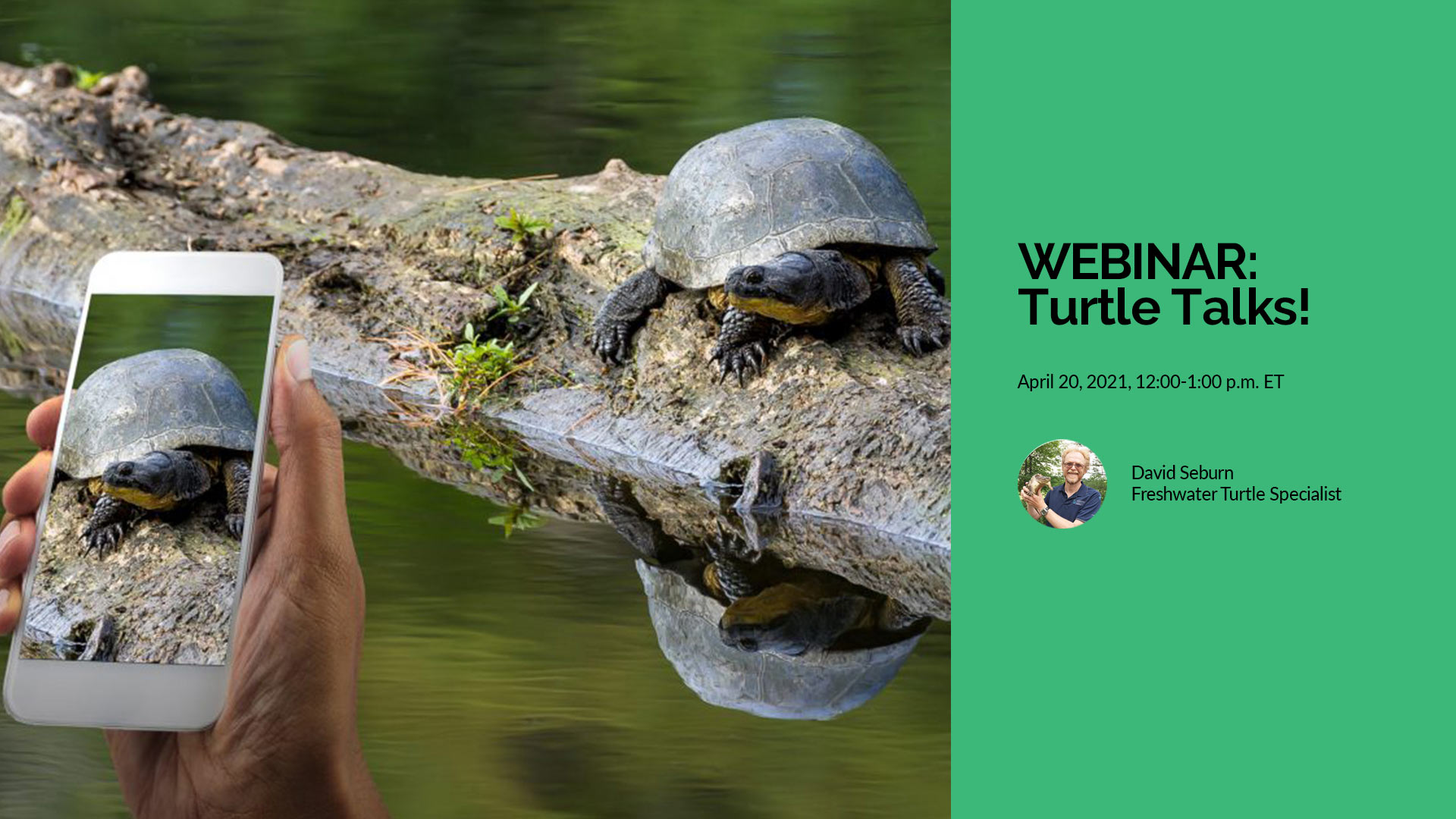
April 20, 2021, 12:00-1:00 p.m. ET Who doesn’t love turtles?! They’re cute, they’re interesting and they come in so many shapes and size. They’re also one of the most endangered groups of species in Canada. Join us for a webinar all about turtles, and discover what the Canadian Wildlife Federation is doing to help them and what you can do to help, too!
-
Water We Without Oceans?
2025-12-05
June 8, 2021, at 1:00 pm ET /10:00 am PT Join us for a free, educational webinar as we explore our connection to the ocean. Our blue planet is powered by a water cycle that sustains life. Together we’ll dive deep into this cycle to discover how we are all connected to the ocean through our local watersheds.
-
The Canadian Aquatic Barriers Database: an improved tool to support fish habitat connectivity in Canada
2025-12-05
The Canadian Aquatic Barriers Database (CABD) is a standardized, curated, central, and open repository for barrier and connectivity data in Canada. The CABD is an important tool to support work in a variety of fields and sectors related to freshwater connectivity and aquatic barriers. The vision for the CABD is all of Canada’s barrier and connectivity information in one place – easily and openly accessible! CWF is proud to announce new updates to the CABD, adding even more aquatic barrier information and providing new tools to allow Canadians across the country to help us fill information gaps. With the new release, in addition to dams, waterfalls, and fishways, the CABD now includes information on stream crossings nationally, which affords us a more complete picture of the effect these structures are having on fish and fish habitat. We’re also introducing a feature that allows anyone to click on a barrier in CABD webtool and provide us with information updates based on their local knowledge, thereby helping the CABD improve over time and fill data gaps.
-
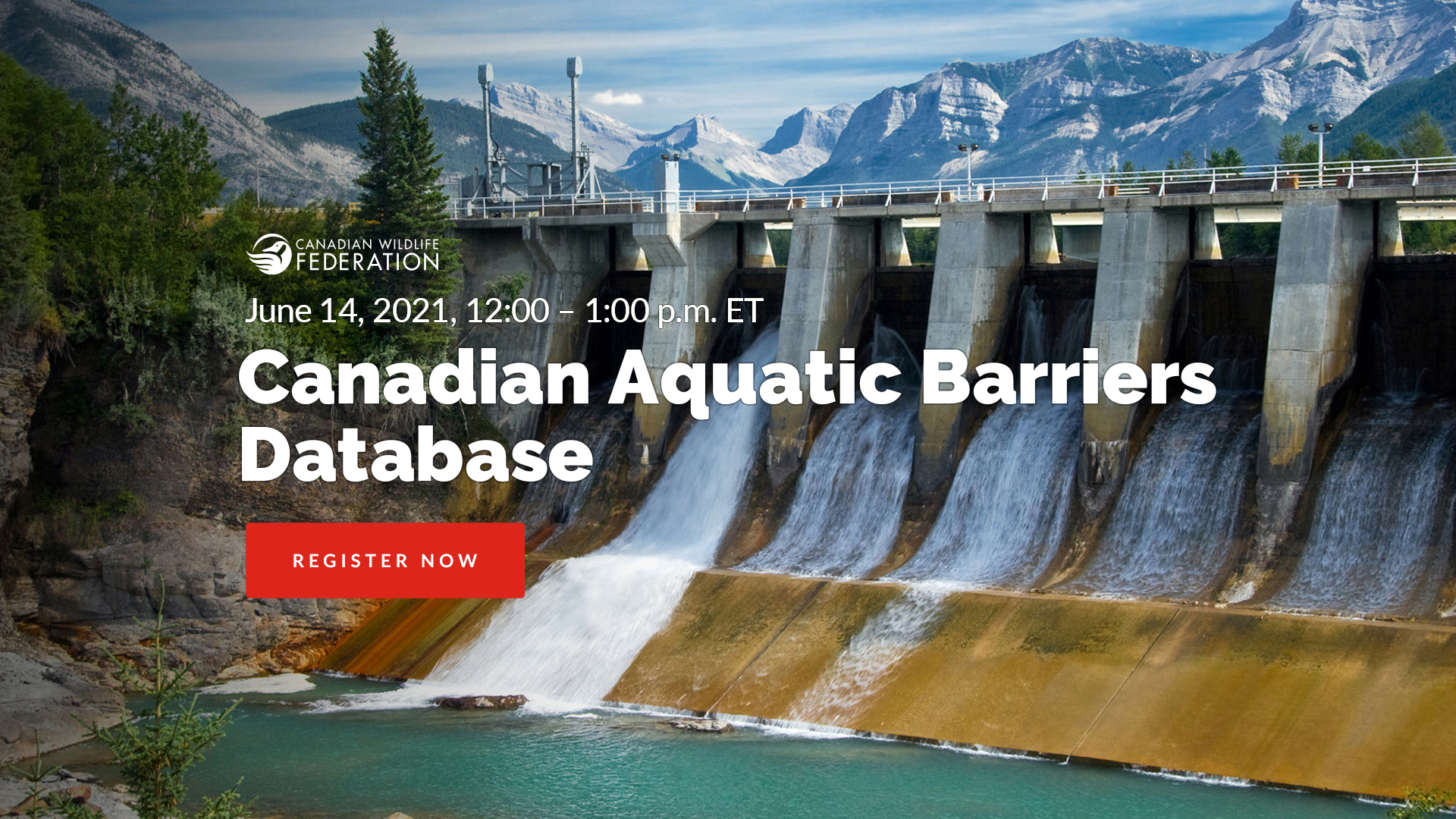
The Canadian Aquatic Barriers Database
2025-12-05
June 14, 2021, 12:00 – 1:00 p.m. ET. A Tool to Support Fish Passage and Connectivity Work in Canada. Please join the Canadian Wildlife Federation as we introduce to you the Canadian Aquatic Barriers Database (CABD) — an open web tool to identify, explore and map potential barriers to aquatic connectivity. You will learn how the CABD will support policy and reporting, restoration planning and prioritization, infrastructure management, research and education and outreach.

Learn More

- 0
- 1
- 2
- 3