




-
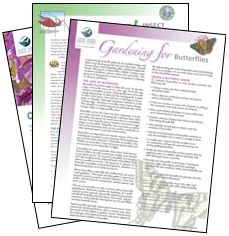 Booklets & handouts
Booklets & handouts
Take a closer look at the ways in which we’ll help you access the facts about wildlife. Whether it’s discovering the Hinterland Who’s Who animal fact sheets, or ordering our handy field guide to Canada’s prevalent shoreline species. </p> <h4>This content is available to our CWF Supporters and online members. Please sign in to order your free materials.<
More -
-
 Wallpapers
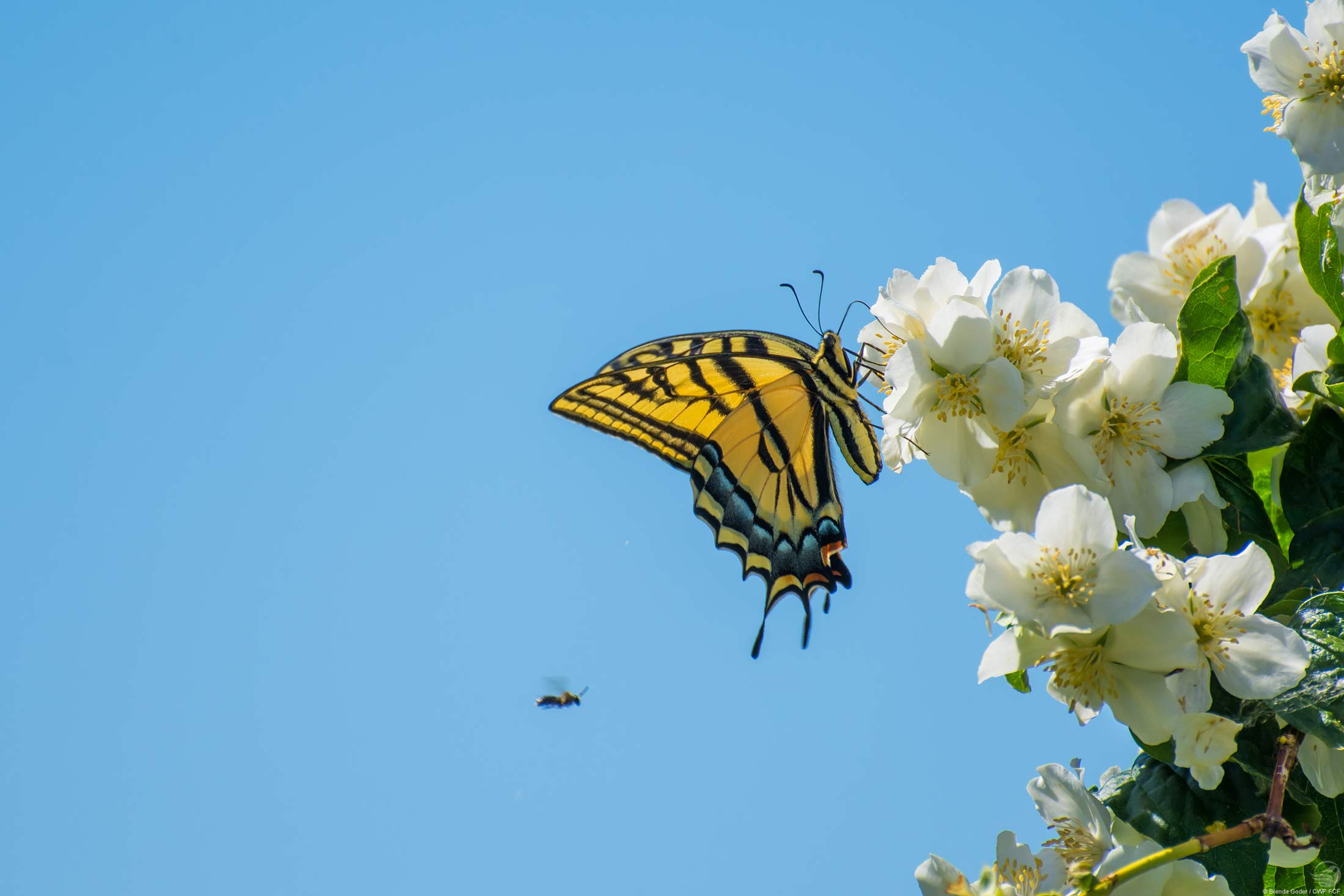
Wallpapers
Your desktop is the perfect habitat for this wild wallpaper. Download CWF wallpapers!
More -
 WILD Webinars
WILD Webinars
With topics relating to conservation, wildlife and habitat, we provide a relevant online learning platform, typically for grades four to six but of benefit to any age.
More

From easy-to-use apps designed as tools for your citizen science projects to picturesque wallpaper images for your computer, CanadianWildlifeFederation.ca offers a variety of useful downloads for your PC and mobile devices.
-
-
-
-
Copy of Sign up to CWF Online
2025-12-05
CWF urges Canadians to make a connection with wildlife in their everyday lives.
-
Sign up to CWF Online
2025-12-05
CWF urges Canadians to make a connection with wildlife in their everyday lives.
Coasts & Oceans
-
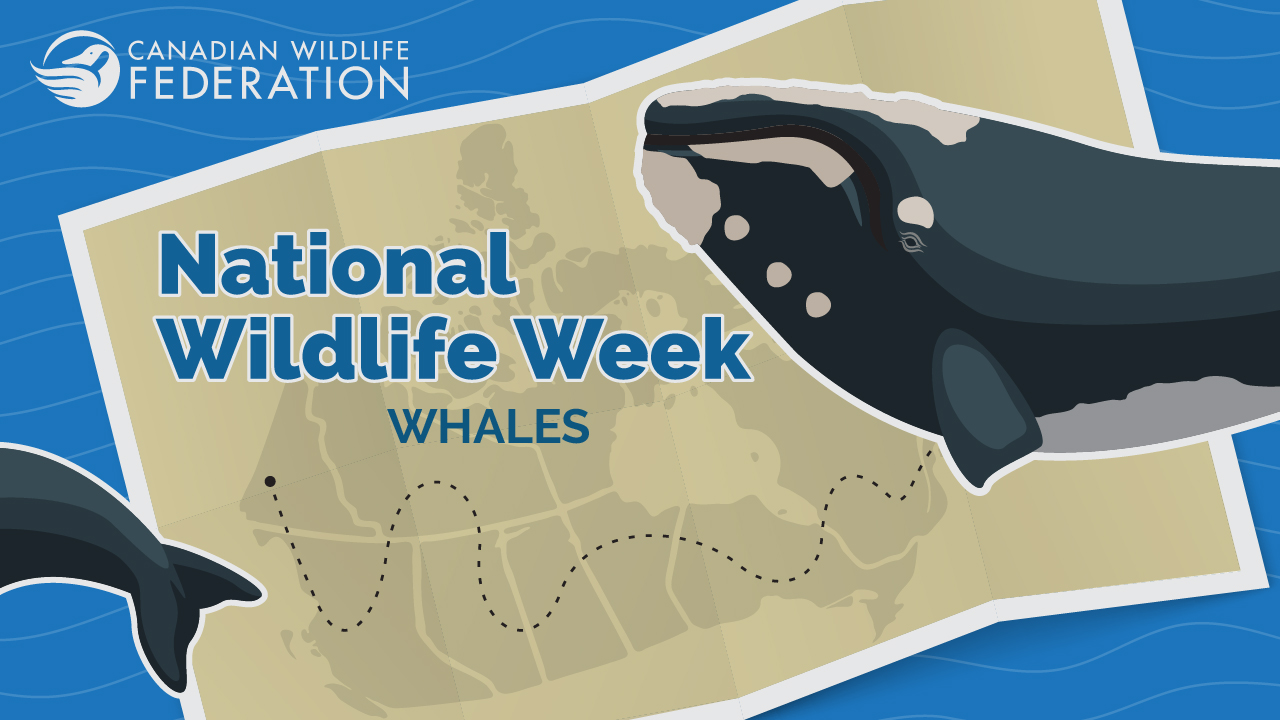
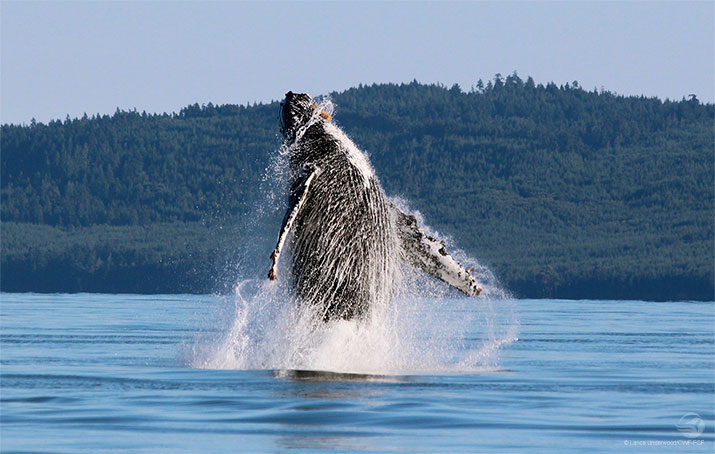
All About Whales With Rhyl Frith
2025-12-05
As part of the Canadian Wildlife Federation’s marine team, Rhyl Frith is the Field Trial Coordinator responsible for organizing and testing acoustic on-demand and low breaking strength fishing gear – two innovative types of fishing gear that are helping prevent whales and other marine species from becoming entangled in ropes and lead lines when they pass through an area. Join Rhyl for a deep dive into marine conservation, as we learn about the endangered North Atlantic Right Whale and explore CWF’s efforts to work collaboratively with fisheries to support their conservation through the application of new fishing technology.
-
How do we use the ocean?
2025-12-05
Dr. Sean Brillant continues his webinar series, talking to classes about how we use the ocean, and relating that information to the Africa to America's row, crossing the Atlantic ocean right now!
-
Marine Protected Areas — Who Owns the Ocean?
2025-12-05
Dr. Sean Brillant of CWF talks about Marine Protected Areas - Who Owns the Ocean?
-
Adventure Mississippi
2025-12-05
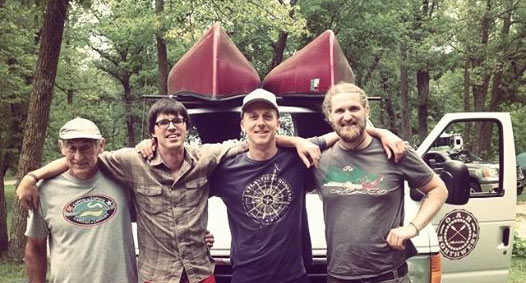
Students will appreciate this opportunity to connect with Ottawa canoeist Max Finkelstein and OAR Northwest rowers Jordan Hanssen, Markus Pukonen, Pat Fleming and Greg Spooner. The Adobe Connect webinar, hosted by CWF Education Manager Randy McLeod, will provide an insight into why the adventurers are canoeing and rowing from Minnesota to Louisiana.
-
Leatherback Sea Turtle Live Q&A Session
2025-12-05
Celebrate Earth Day with CWF on Friday, April 22nd at 1pm EST with a 30 minute live Q&A session about Leatherback Sea Turtles. Your class will be able to ask the Canadian Wildlife Federation’s Marine Manager, Sean Brillant and Kathleen Martin, from the Canadian Sea Turtle Network, anything they’ve ever wanted to know about endangered Leatherback Sea Turtles!
Connecting With Nature
-

-
-

-
-
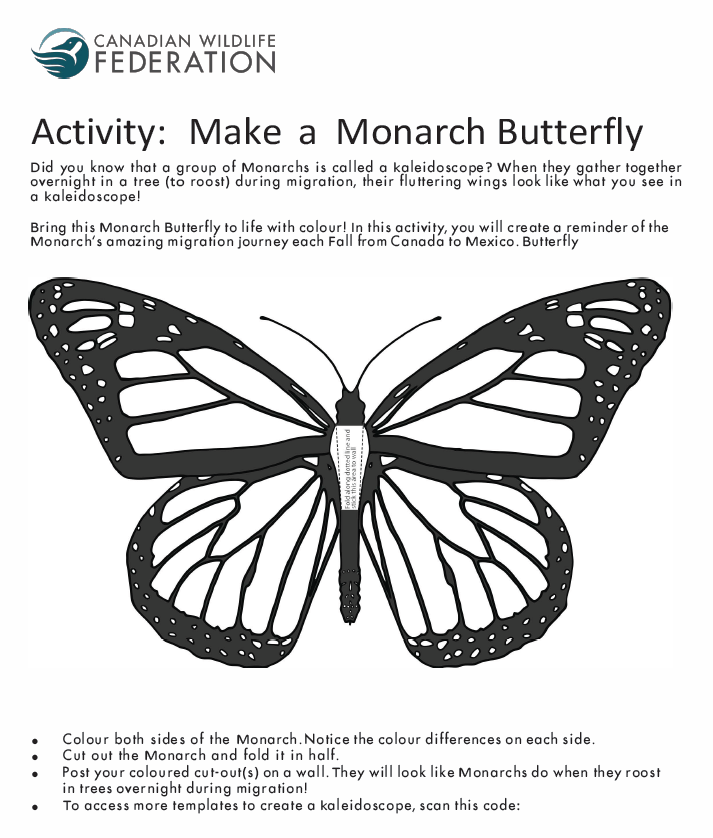
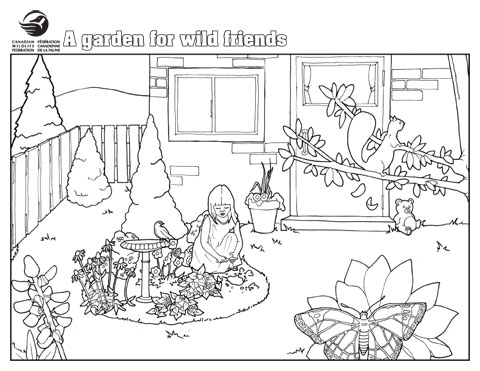
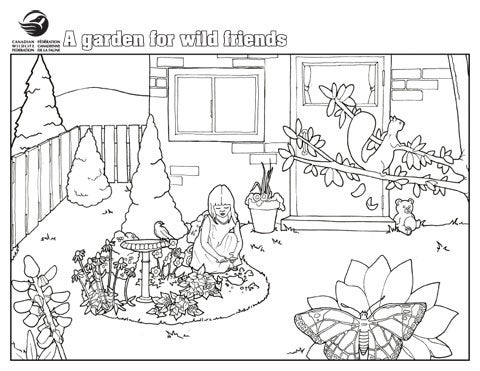
CWF Kaleidoscopes Monarch Colouring Page
2025-12-03
Education & Leadership
-
Live with the Africa to Americas Expedition Rowers Webinar
2025-12-05
In this CWF Education webinar, the rowers discuss their incredible adventure, what they learned, their amazing rescue, and what's next.
-
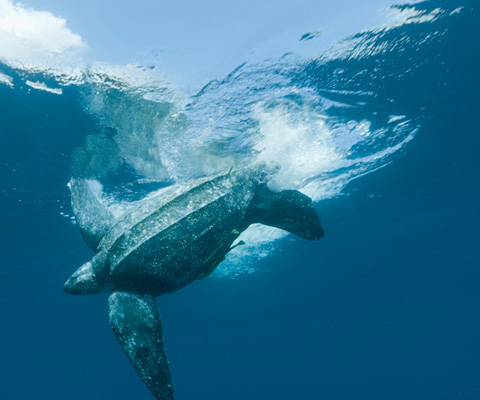
Canada's Turtles Webinar
2025-12-05
A leatherback turtle presentation by Dr. Sean Brilliant, Manager of Marine Programs for CWF, and Dr. Mike James, a marine turtle scientist with Fisheries and Oceans Canada. This webinar will focus on the lifecycle and ecology of Canadian leatherback turtles and the CWF Great Canadian Turtle Race.
-
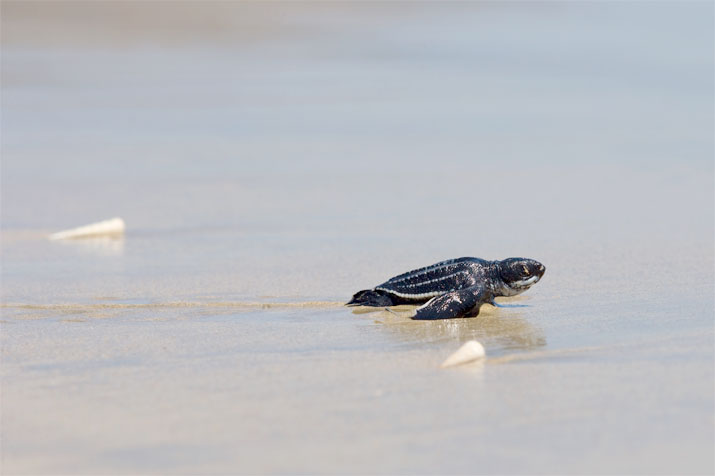
Following Leatherback Sea Turtles as they Migrate to their Southern Nesting Grounds
2025-12-05
A leatherback turtle presentation by Dr. Sean Brilliant, Manager of Marine Programs for CWF, and Kathleen James, Canadian Sea Turtle Network.
-
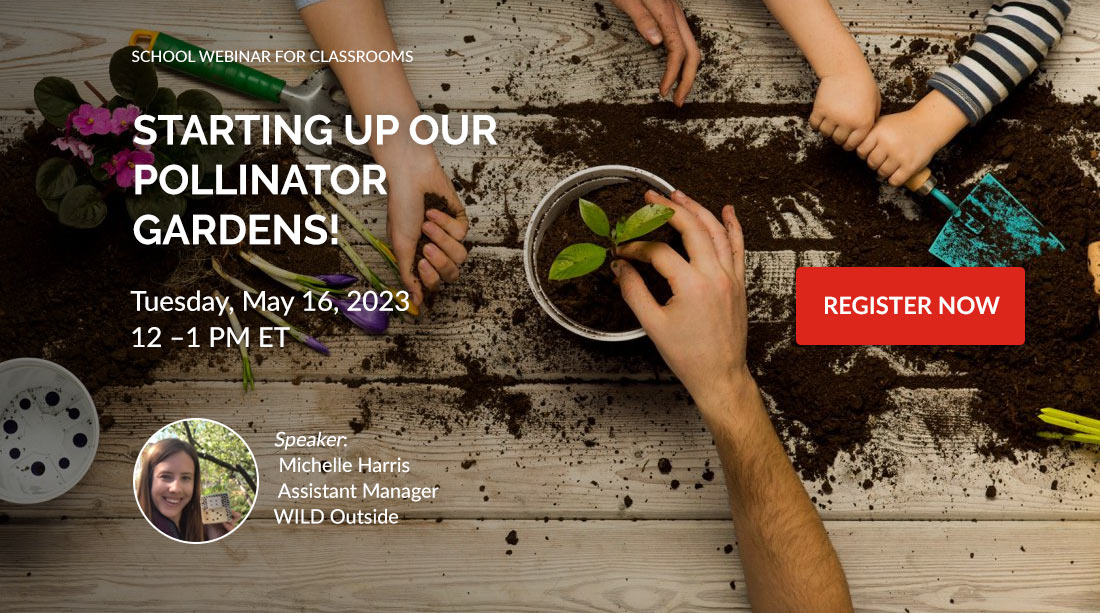
Starting Up Our Pollinator Gardens!
2025-12-05
Calling all grades 3 to 6 teachers! It’s nearly time to start planting in our gardens. This fun and engaging webinar with classes from across Canada will help us learn how to best prepare our gardens before our plants go in, as well as how to take care of our plants so they grow and support pollinators all summer.
-
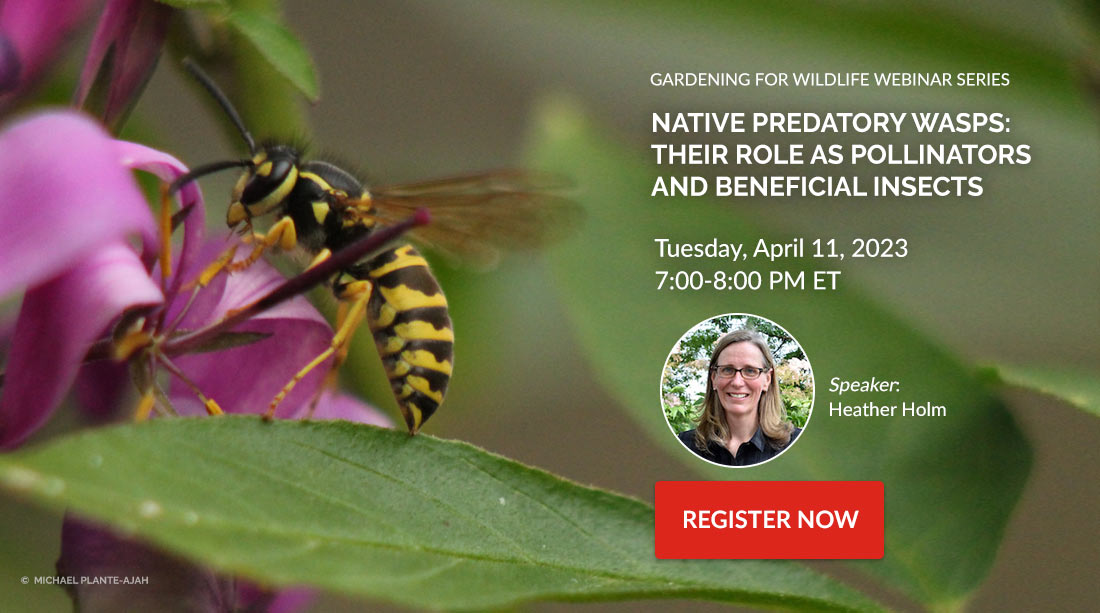
Native Predatory Wasps: Their Role as Pollinators and Beneficial Insects
2025-12-05
Gardening for Wildlife Webinar Series: Join CWF April 11th as Heather Holm, highly-respected researcher and award-winning author, shares her discoveries and beautiful photography of our native wasps. In this webinar, Heather “will highlight many amazing natural history and biology facts about native wasps illustrating their nesting habitat, prey specificity, and the ecosystems services they provide—pest insect population control and pollination.” Please note – this webinar will only be available as a recording for those who register for a few days afterwards. Please register to avoid missing out!
Endangered Species & Biodiversity
-
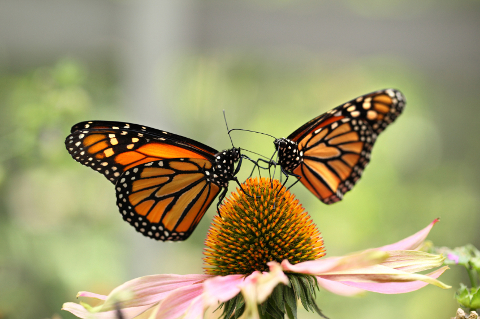
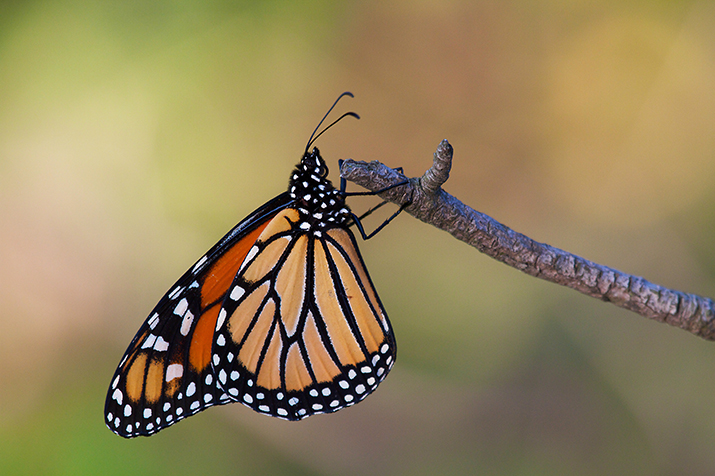
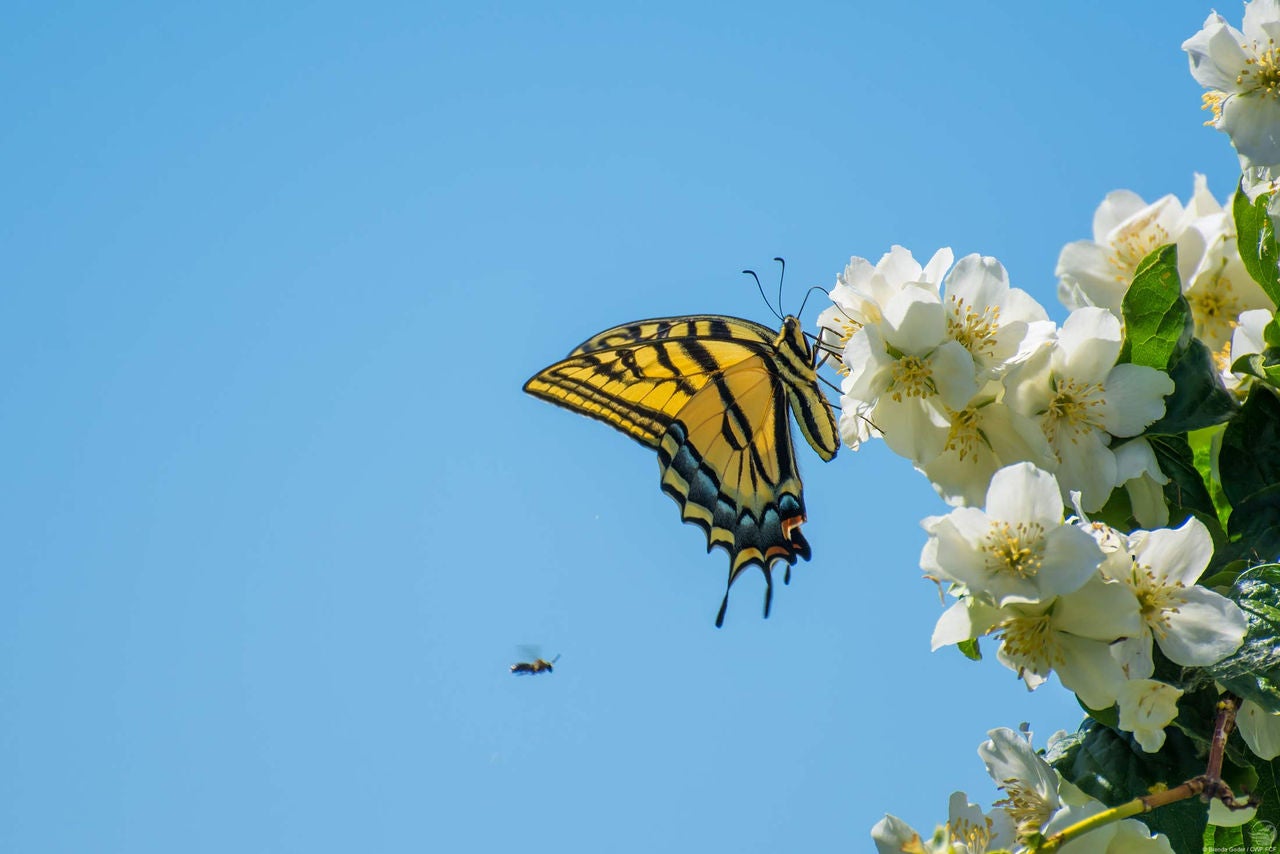
Monarch butterfly
2025-12-05
We’re featuring a monarch butterfly nabbing some nectar for a mid-afternoon snack
-
-
-
-
Forests & Fields
Lakes & Rivers
-
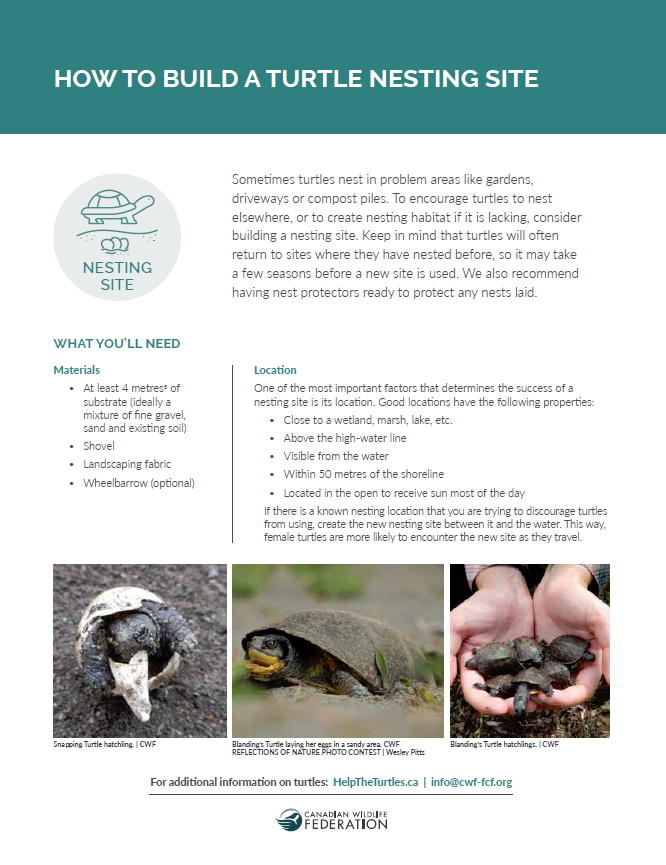
How To Build a Turtle Nesting Site
2025-12-05
Sometimes turtles nest in problem areas like gardens, driveways or compost piles. To encourage turtles to nest elsewhere, or to create nesting habitat if it is lacking, consider building a nesting site. Keep in mind that turtles will often return to sites where they have nested before, so it may take a few seasons before a new site is used. We also recommend having nest protectors ready to protect any nests laid.
-
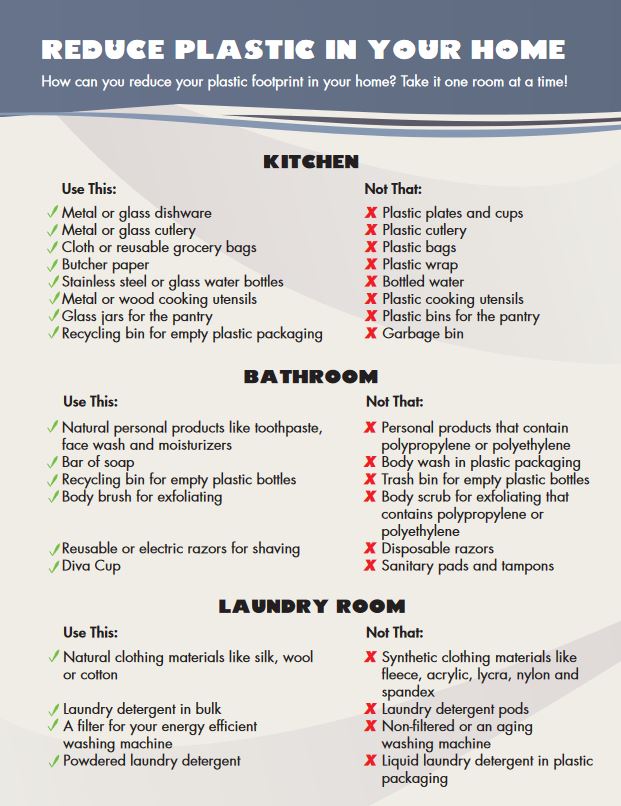
Reduce Plastic in Your Home Checklist
2025-12-05
How can you reduce your plastic footprint in your home? Take it one room at a time
-
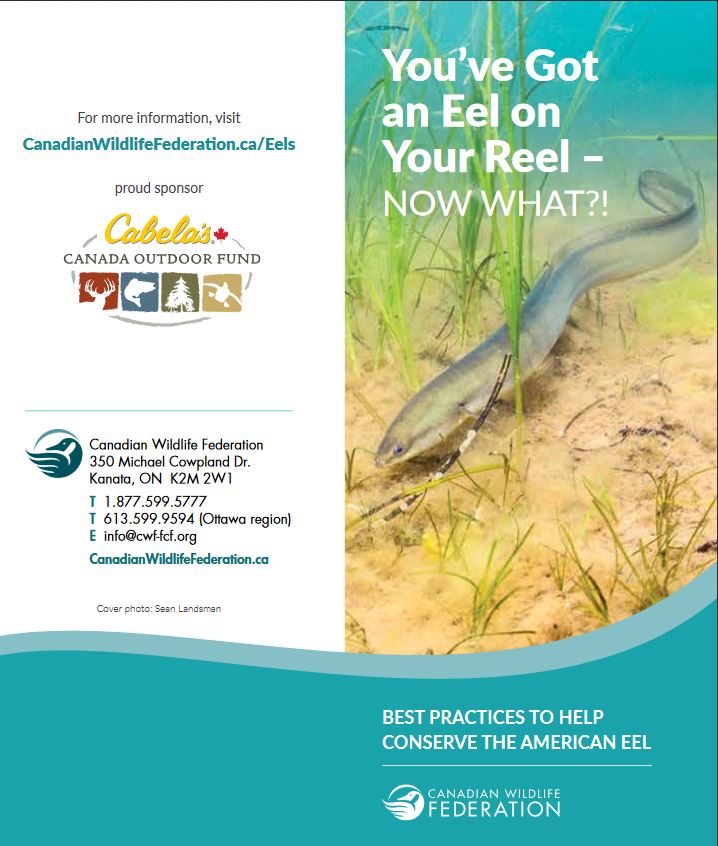
BEST PRACTICES TO HELP CONSERVE THE AMERICAN EEL
2025-12-05
You’ve Got an Eel on Your Reel – NOW WHAT?!
-
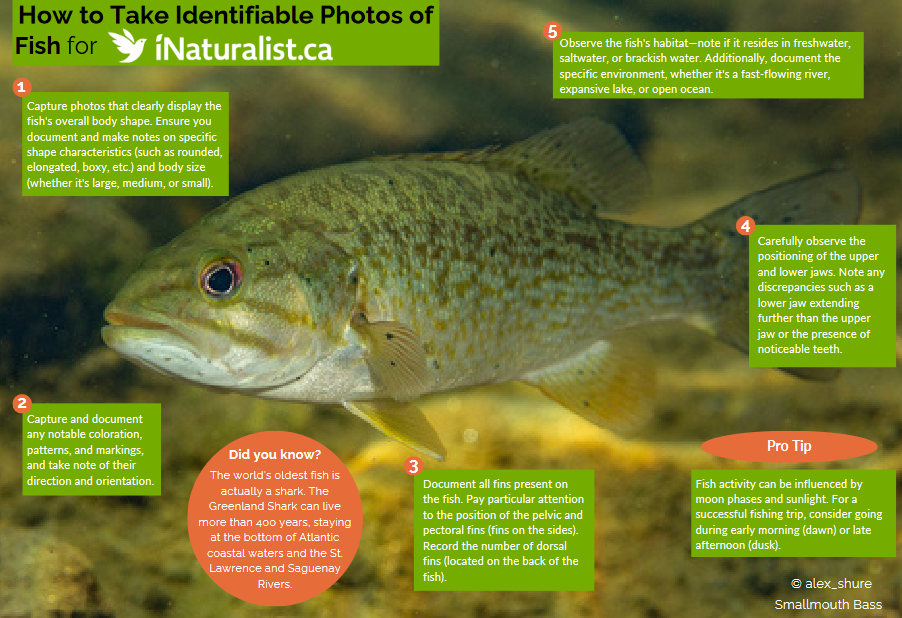
How to Take Identifiable Photos of Fish
2025-12-05
Taking photos of wildlife can be challenging. It is not essential to photograph every point on this diagram to get an identifiable observation. Just try your best! When photographing fish, minimize air exposure by taking an underwater photo whenever possible, allowing them to breathe freely. If taking a picture outside the water, keep the fish near the water and lift it briefly for the photo, limiting air exposure to 10 seconds or less. Be sure to follow local fishing guidelines and regulations.
-

Learn More

- 0
- 1
- 2
- 3