




-
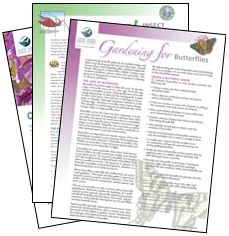 Booklets & handouts
Booklets & handouts
Take a closer look at the ways in which we’ll help you access the facts about wildlife. Whether it’s discovering the Hinterland Who’s Who animal fact sheets, or ordering our handy field guide to Canada’s prevalent shoreline species. </p> <h4>This content is available to our CWF Supporters and online members. Please sign in to order your free materials.<
More -
-
 Wallpapers
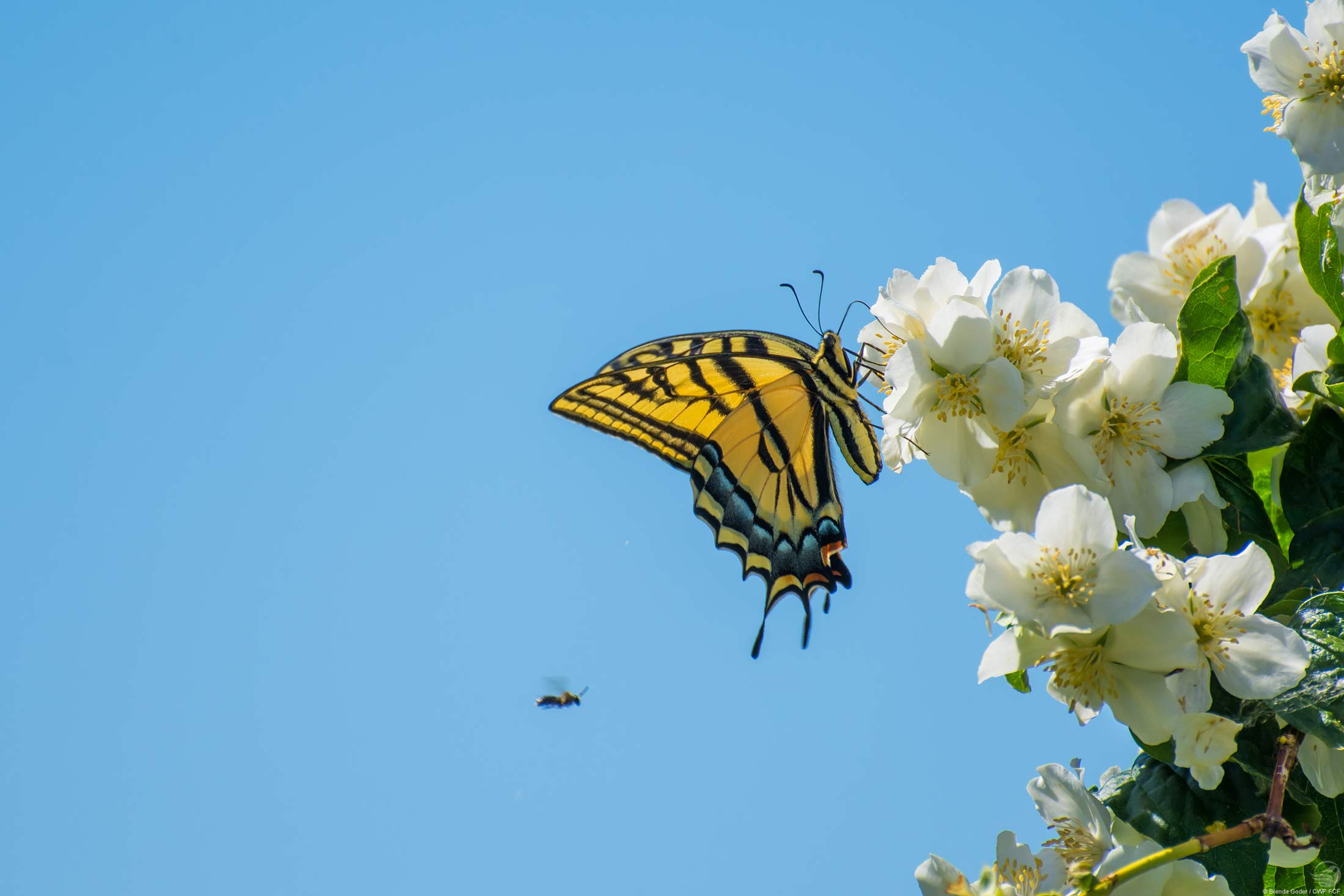
Wallpapers
Your desktop is the perfect habitat for this wild wallpaper. Download CWF wallpapers!
More -
 WILD Webinars
WILD Webinars
With topics relating to conservation, wildlife and habitat, we provide a relevant online learning platform, typically for grades four to six but of benefit to any age.
More

From easy-to-use apps designed as tools for your citizen science projects to picturesque wallpaper images for your computer, CanadianWildlifeFederation.ca offers a variety of useful downloads for your PC and mobile devices.
Coasts & Oceans
Connecting With Nature
Education & Leadership
Endangered Species & Biodiversity
Forests & Fields
-
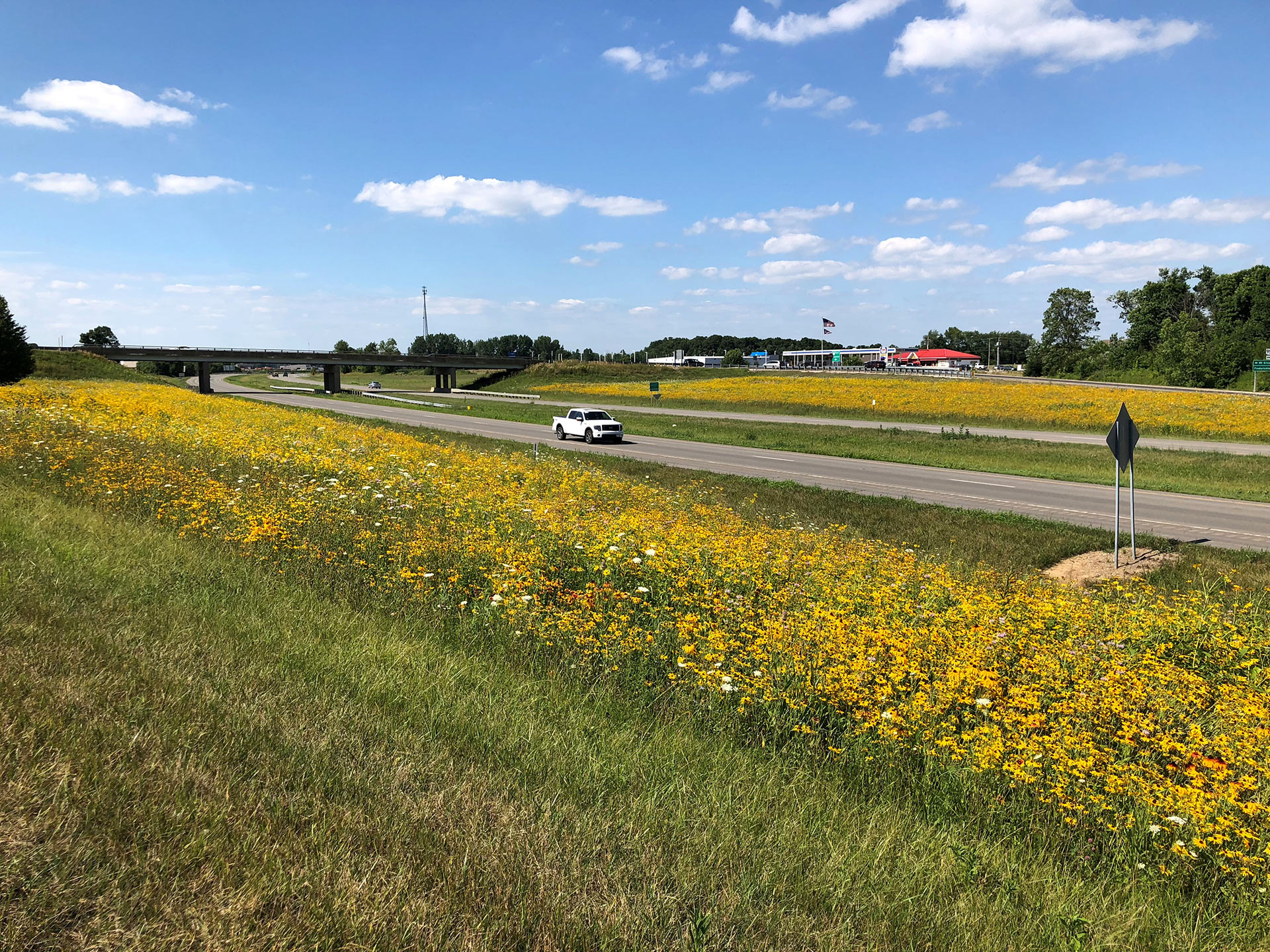
Creating Pollinator Habitat: Opportunities and Examples from Roadsides and other Right-of-Ways
2025-12-05
Pollinating insects are in crisis across North America, with steep declines in some groups. This introductory webinar in our 2019-2020 Pollinator Series will discuss the opportunities that transportation, utility and other corridors present to increase and improve available pollinator habitat across the landscape. Examples from all sectors will be discussed, and the highlights of CWF’s 2019 pilot project in eastern Ontario will be presented.
-
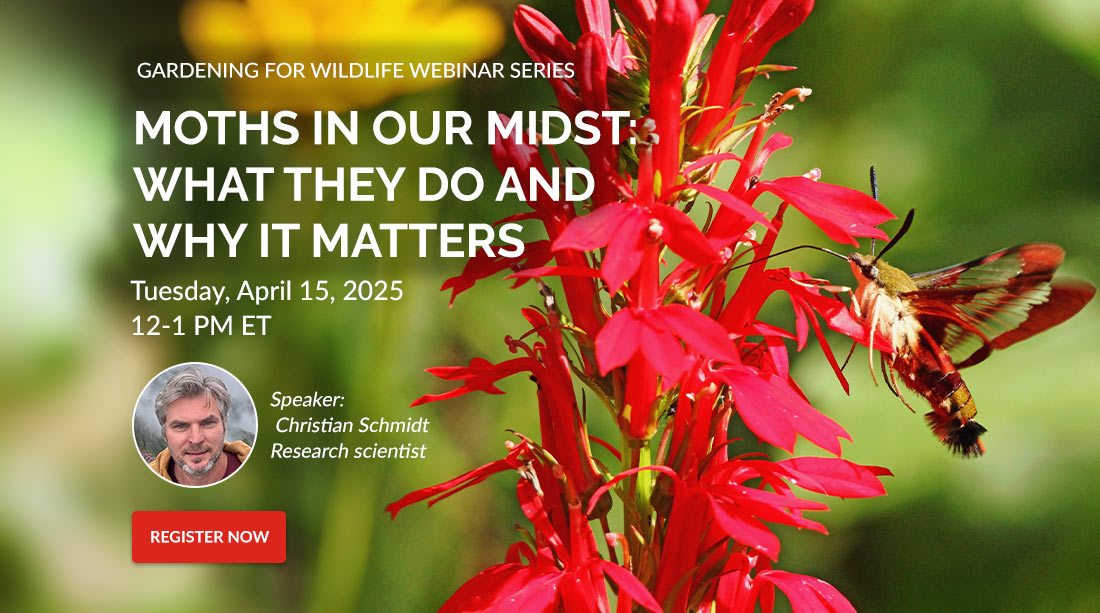
Moths in our Midst: What They Do and Why It Matters
2025-12-05
Join the Canadian Wildlife Federation on Tuesday, April 15 at 12:00 p.m. ET to learn about some of Canada’s moths (and butterflies, too!). Our special guest, Christian Schmidt, Ph.D., a research scientist, will take us into the world of moth biology, how they live and profile some Canadian species. Christian will also share ways we can help these remarkable wild neighbours in our own outdoor spaces. We hope you can join us!
-
Monarch Butterflies With Michelle McPherson
2025-12-05
Michelle is a Wildlife Biologist with the Canadian Wildlife Federation. Her current area of focus is the Right-of-Way (ROW) Pollinator Habitat project, which is focused on the restoration of native meadow along roadsides, utility corridors, and solar farms in conjunction with a network of ROW managers. Join Michelle to learn more about what CWF is doing in collaboration with industry and community partners to restore habitat connectivity for pollinators, including the endangered Monarch butterfly.
-
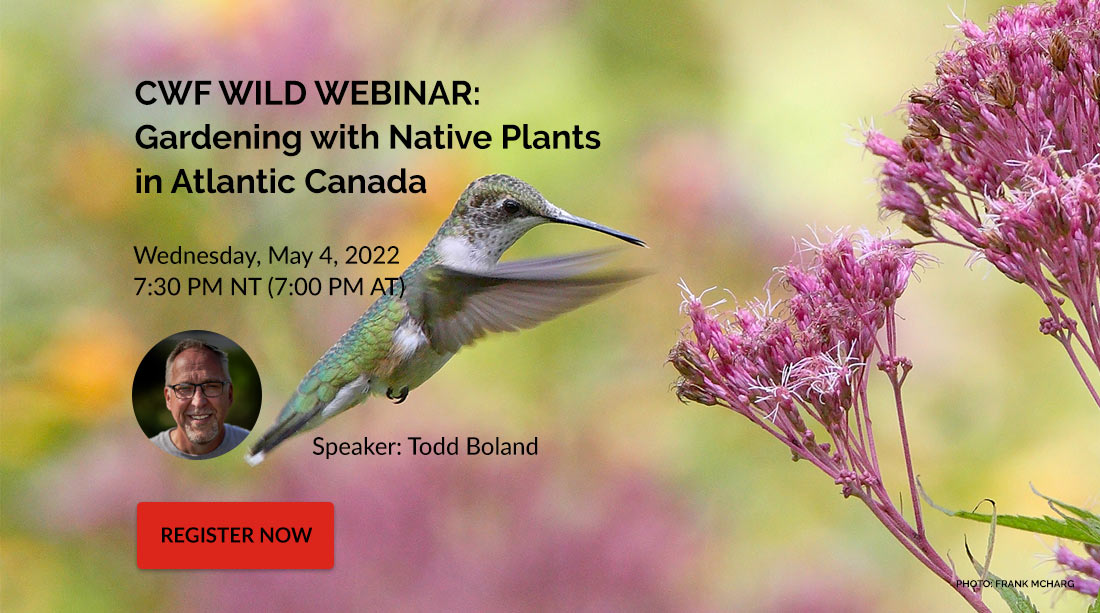
Gardening with Native Plants in Atlantic Canada
2025-12-05
Join CWF Wednesday May 4 for a webinar on using native plants in an Atlantic garden. Special guest, Todd Boland, author and longtime horticulturalist, will introduce Atlantic Canadian gardeners to the attributes of using native plants in their home landscapes and how these plants can benefit pollinators and birds.
-
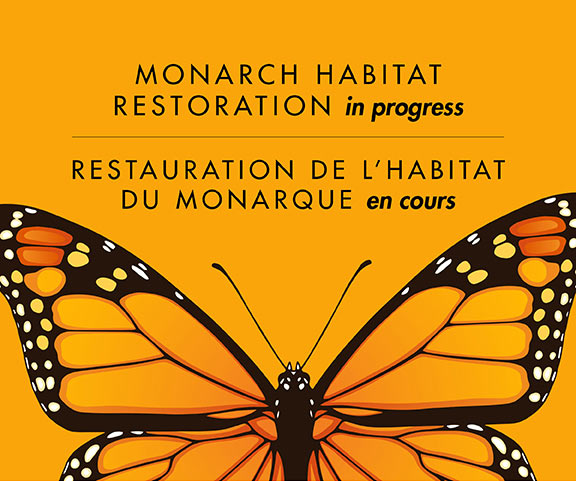
Managing Rural Roadsides for Pollinator Habitat
2025-12-05
Lanark County Lanark County is a rural municipality in eastern Ontario – to the west of Ottawa, Ontario – managing approximately 600 kilometres of county roads. Since 2016, Lanark County has followed an integrated vegetation management (IVM) plan to control invasive plants, especially wild parsnip, that encroach on pollinator habitat. In addition to controlling invasive plants, the goal of the IVM plan was also to re-establish desirable native vegetation along roadsides. To achieve these goals, Lanark County changed mowing practices, implemented integrated control measures to reduce impact to desirable vegetation (i.e. targeted spot spraying, hand control of invasives, reseeding disturbed sites, etc.), and improved hydroseeding practices with native seed to promote pollinators. Lanark County has been successful in reducing invasive plant infestations and improving pollinator habitat on almost 450 hectares of rural roads, and now has the opportunity to share some lessons learned with other municipalities about how they can help improve pollinator habitat along roadsides.
Lakes & Rivers

Learn More

- 0
- 1
- 2
- 3