




-
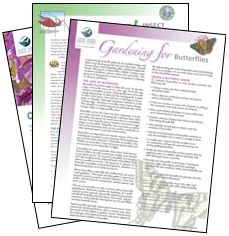 Booklets & handouts
Booklets & handouts
Take a closer look at the ways in which we’ll help you access the facts about wildlife. Whether it’s discovering the Hinterland Who’s Who animal fact sheets, or ordering our handy field guide to Canada’s prevalent shoreline species. </p> <h4>This content is available to our CWF Supporters and online members. Please sign in to order your free materials.<
More -
-
 Wallpapers
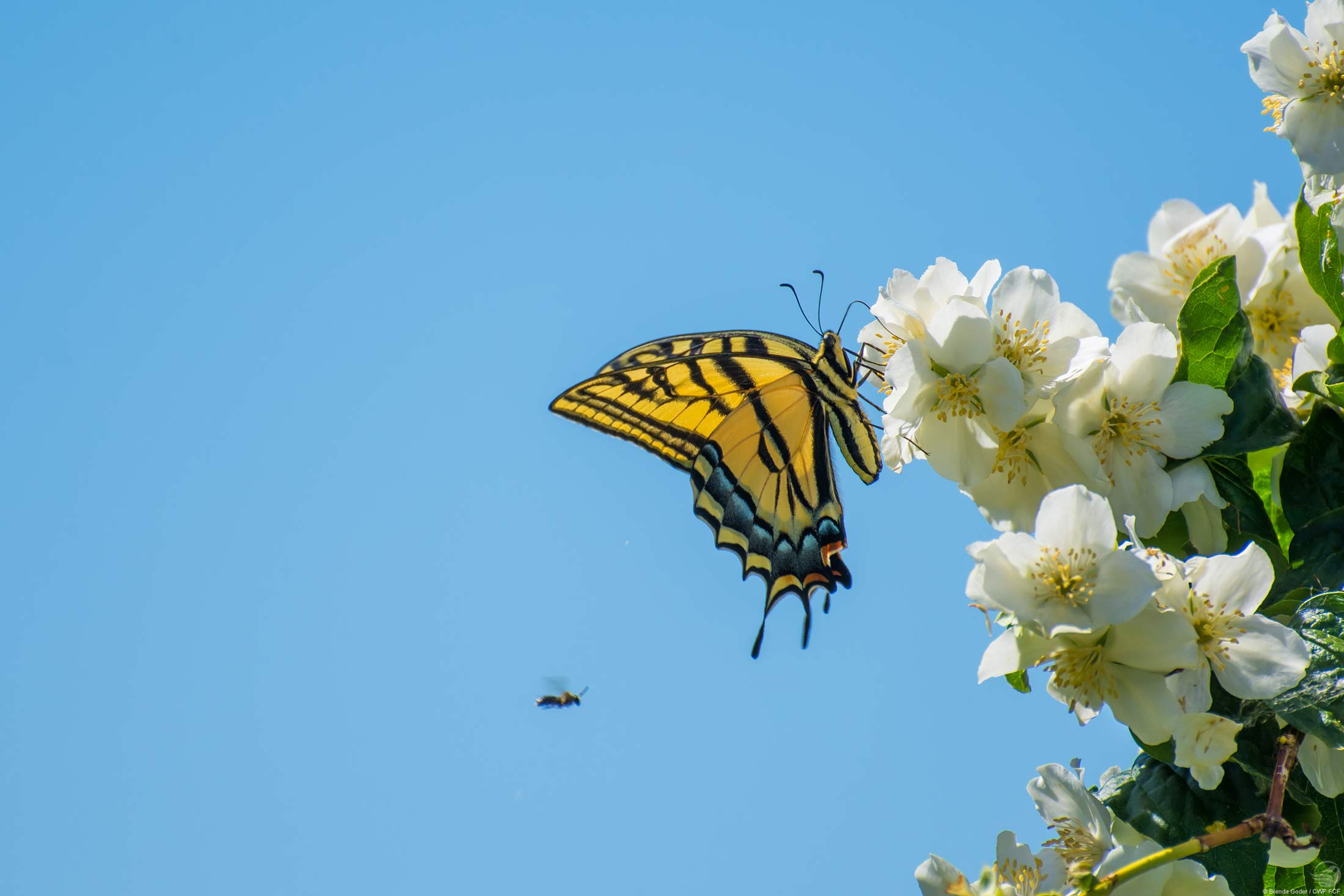
Wallpapers
Your desktop is the perfect habitat for this wild wallpaper. Download CWF wallpapers!
More -
 WILD Webinars
WILD Webinars
With topics relating to conservation, wildlife and habitat, we provide a relevant online learning platform, typically for grades four to six but of benefit to any age.
More

From easy-to-use apps designed as tools for your citizen science projects to picturesque wallpaper images for your computer, CanadianWildlifeFederation.ca offers a variety of useful downloads for your PC and mobile devices.
Coasts & Oceans
-
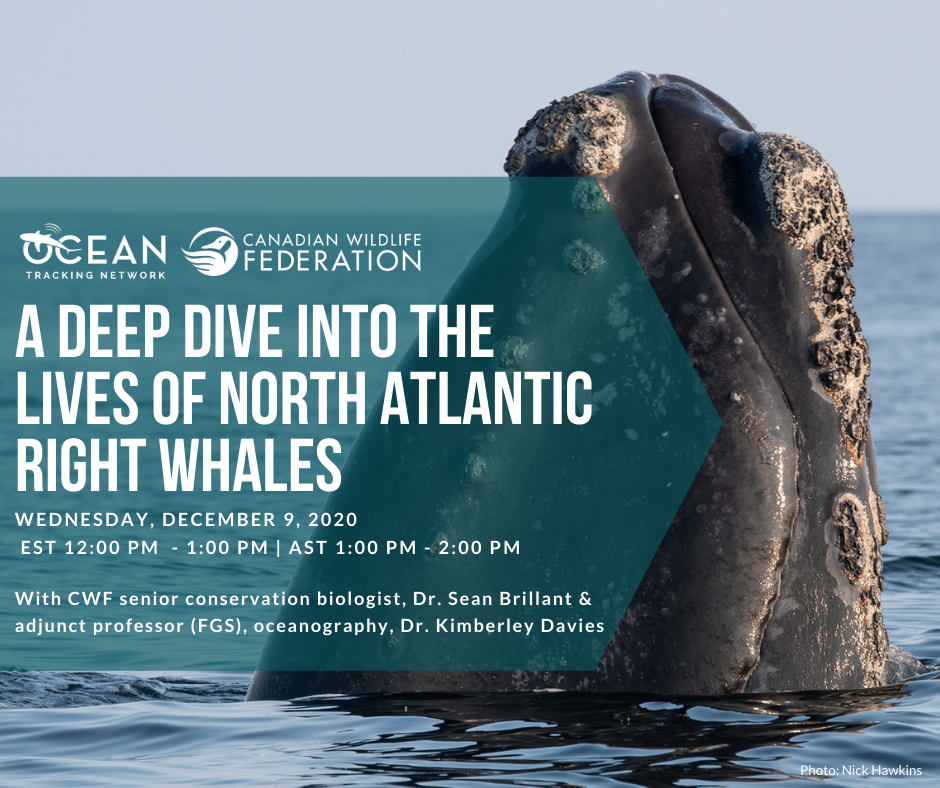
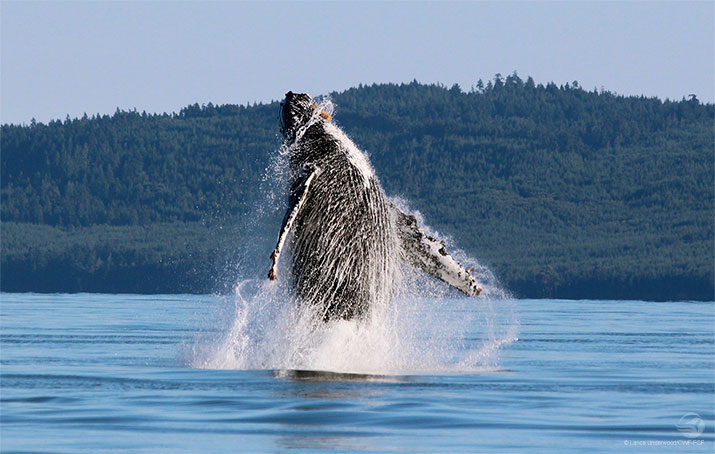
A Deep Dive Into the Lives of North Atlantic Right Whales
2025-12-05
Date: Wednesday, December 9, 2020 at 12:00 p.m. EST | 1:00 p.m. AST Speakers: Dr. Sean Brillant, senior conservation biologist at CWF; Dr. Kim Davies, adjunct professor (FGS), oceanography Join the Ocean Tracking Network (OTN) and the Canadian Wildlife Federation (CWF) for the third live webinar in our North Atlantic right whale series. This time, you’re invited to a conversation and Q&A with Dr. Sean Brillant, senior conservation biologist at CWF, and Dr. Kim Davies, adjunct professor (FGS), oceanography, co-PI MEOPAR-WHaLE.
Connecting With Nature
-
Natural Insect Control Handout
2025-12-05
A garden is more than just plants. It may be tempting to reach for chemical pesticides. But while these products can be an effective short-term answer, they don't contribute to the long-term health of your garden.
-
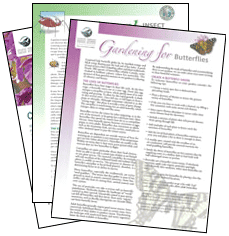
Gardening for Butterflies Handout
2025-12-05
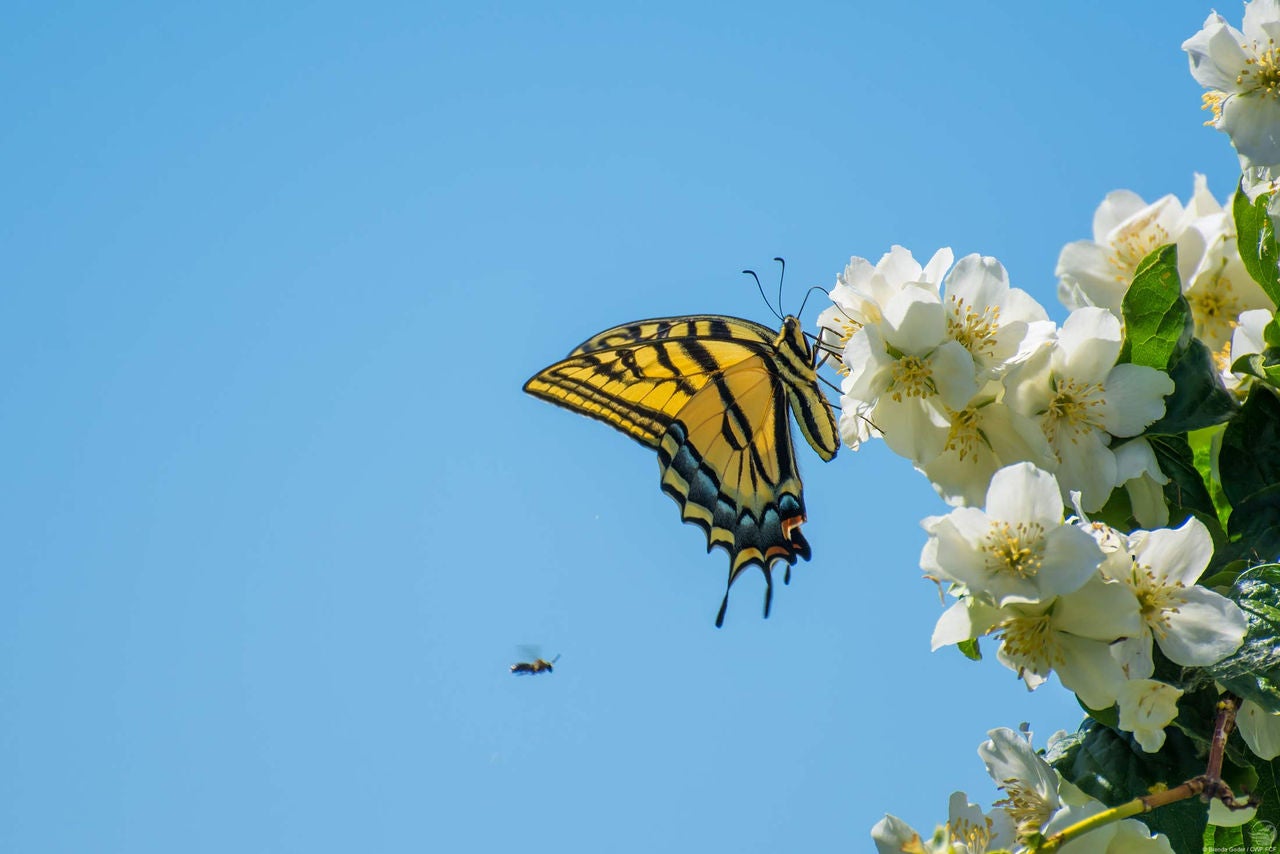
Nearly 300 species of butterflies inhabit Canada, some cloaked in brilliant colours, others less noticeable. The presence of these graceful creatures in our gardens is a blessing of vibrancy and beauty.
-
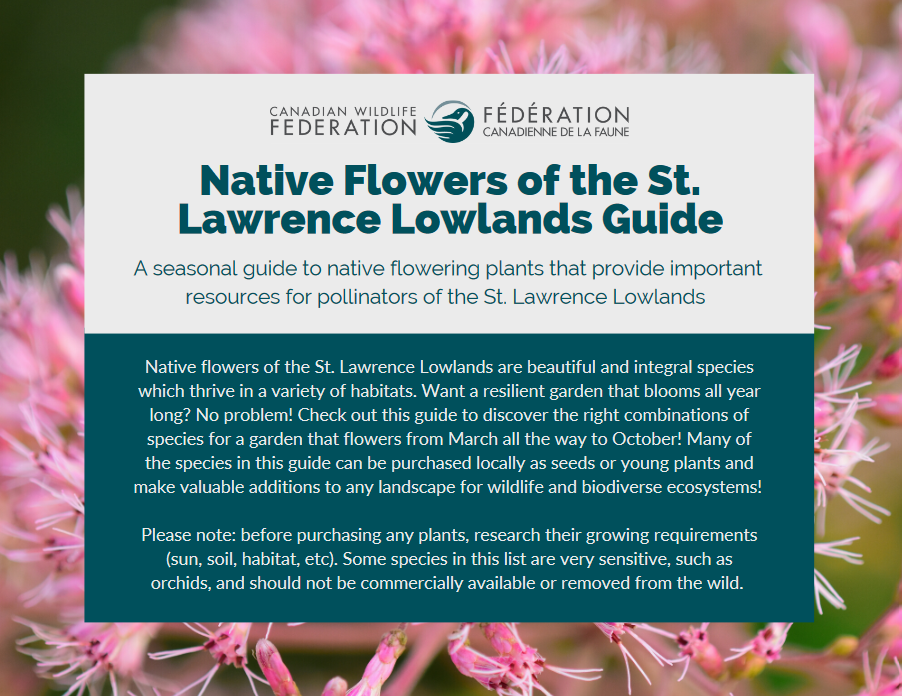
Native Flowers of the St. Lawrence Lowlands Guide
2025-12-05
A seasonal guide to native flowering plants that provide important resources for pollinators of the St. Lawrence Lowlands
-
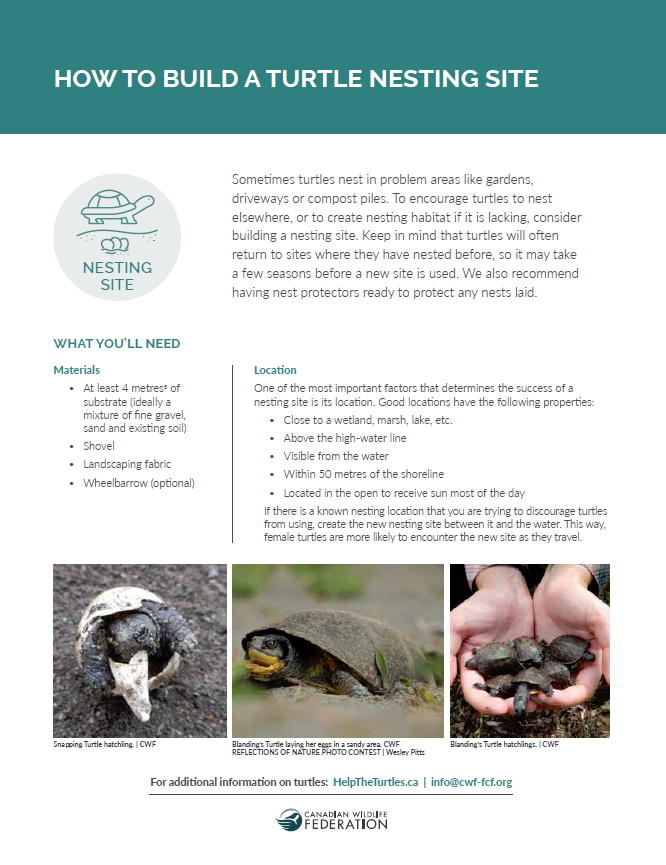
How To Build a Turtle Nesting Site
2025-12-05
Sometimes turtles nest in problem areas like gardens, driveways or compost piles. To encourage turtles to nest elsewhere, or to create nesting habitat if it is lacking, consider building a nesting site. Keep in mind that turtles will often return to sites where they have nested before, so it may take a few seasons before a new site is used. We also recommend having nest protectors ready to protect any nests laid.
-
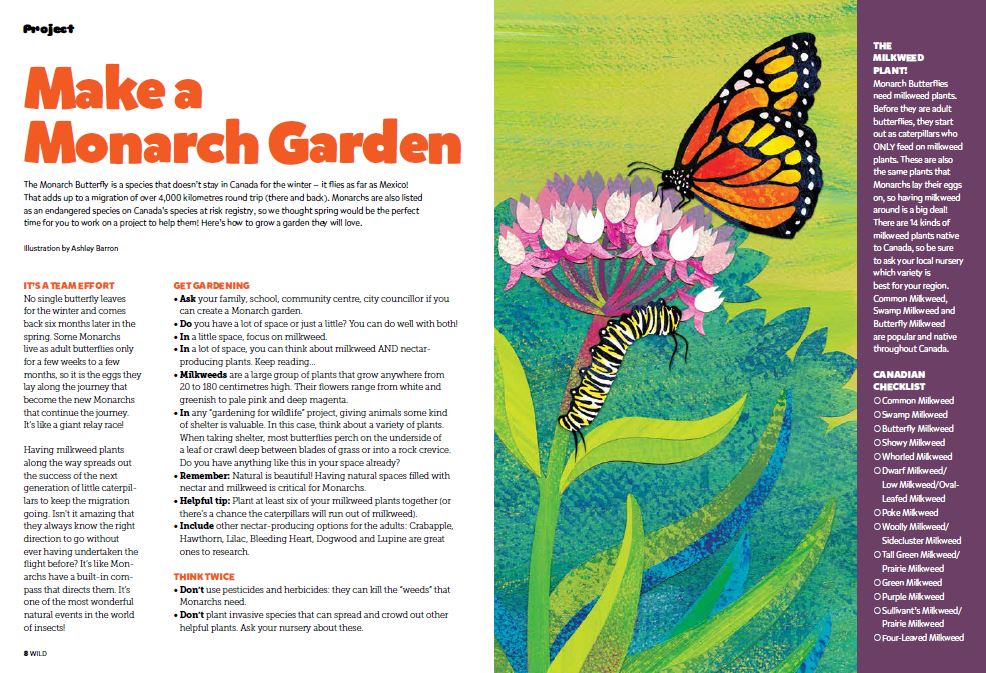
Make a Monarch Butterfly Garden
2025-12-05
The Monarch Butterfly is a species that doesn’t stay in Canada for the winter — it flies as far as Mexico! That adds up to a migration of over 4,000 kilometres round trip (there and back). Monarchs are also listed as an endangered species on Canada’s species at risk registry, so we thought spring would be the perfect time for you to work on a project to help them! Here’s how to grow a garden they will love.
Education & Leadership
Endangered Species & Biodiversity
-
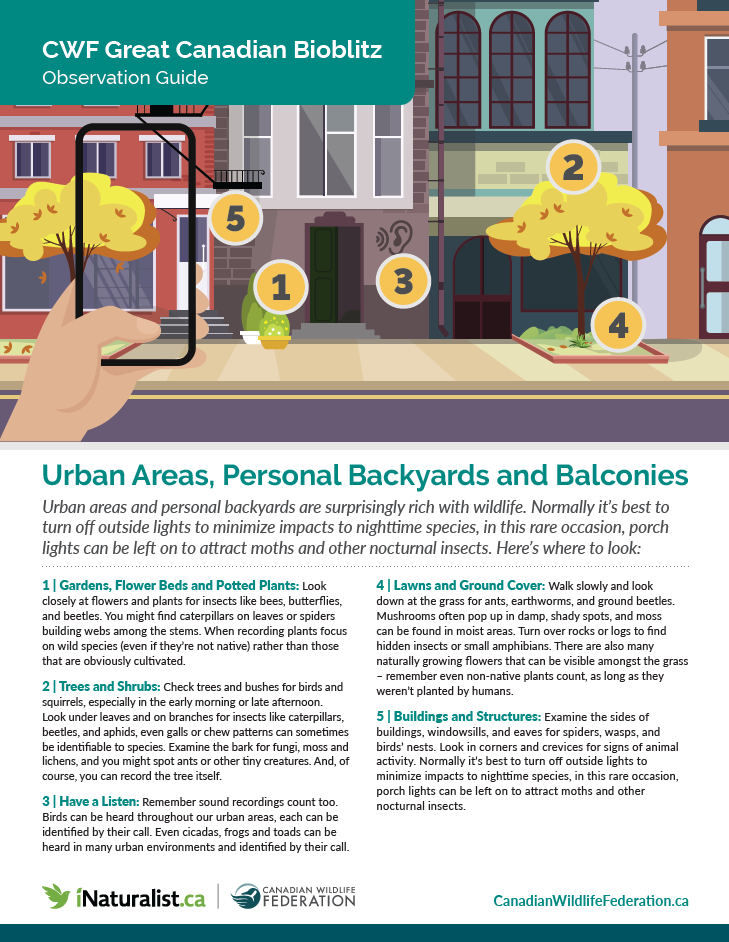
Great Canadian Bioblitz Observation Guide
2025-12-03
-
-
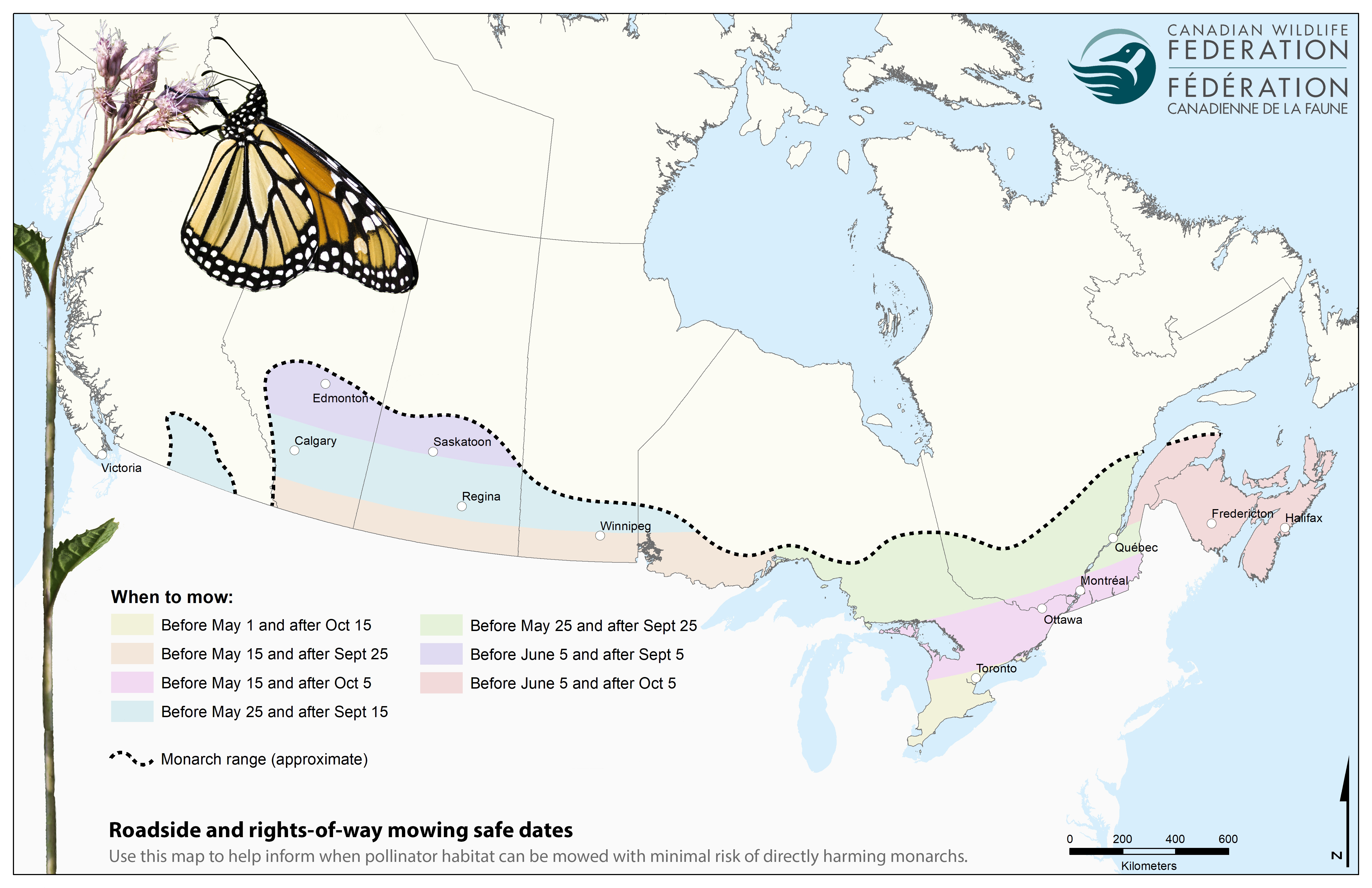
Spring Monarch Mowing Map
2025-12-03
-
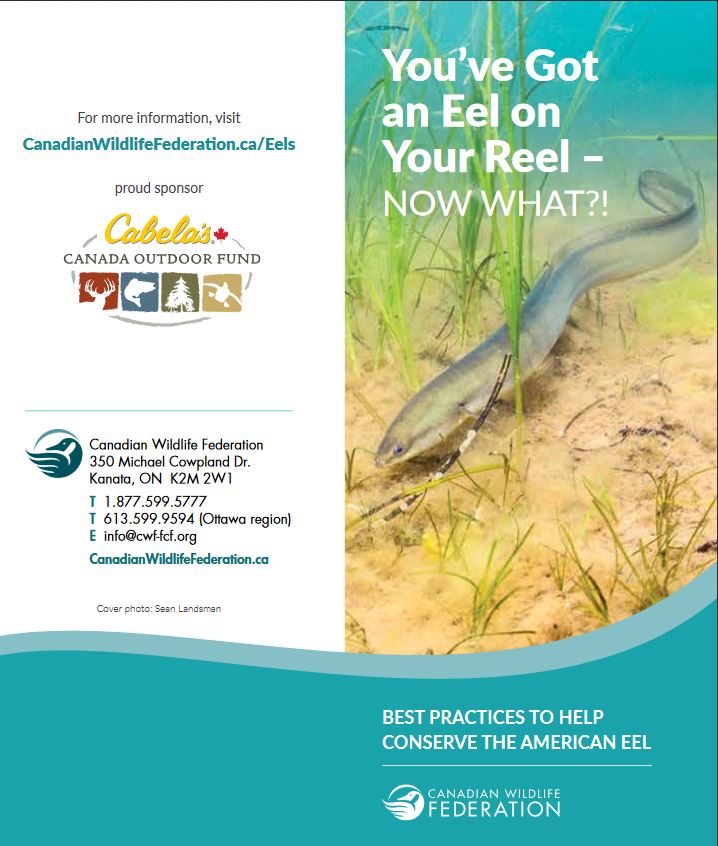
BEST PRACTICES TO HELP CONSERVE THE AMERICAN EEL
2025-12-05
You’ve Got an Eel on Your Reel – NOW WHAT?!
-
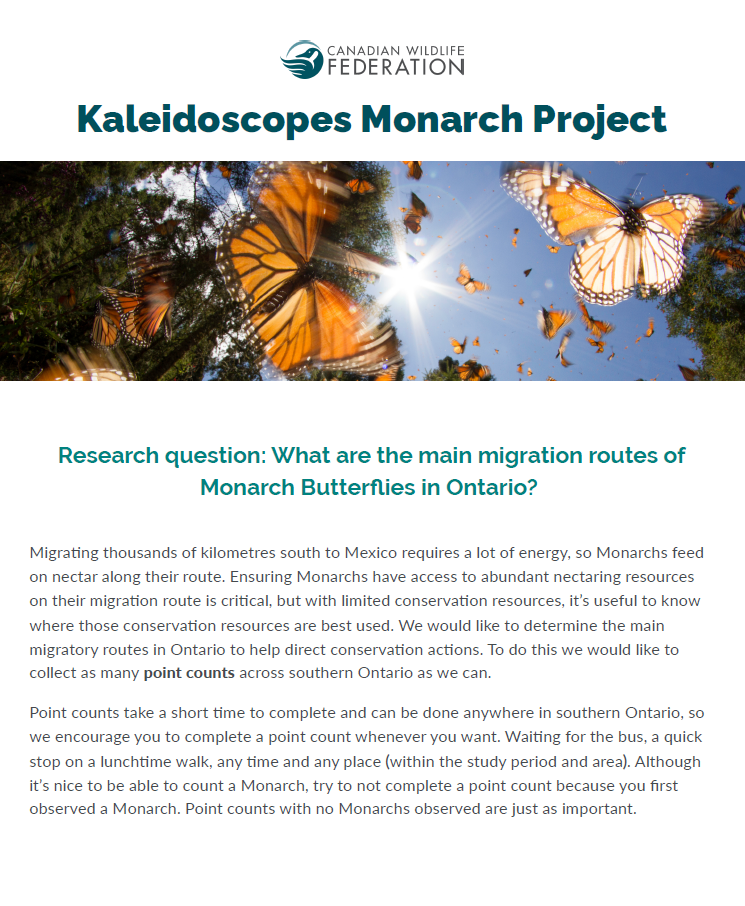
Monarch Point Count Data Guide
2025-12-05
Forests & Fields
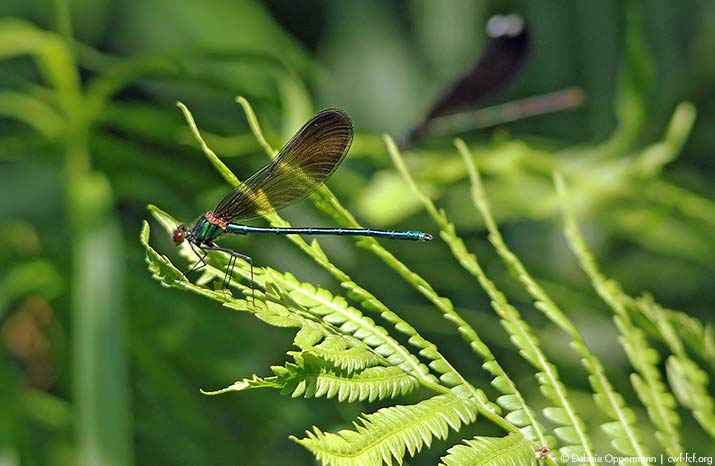


Lakes & Rivers
-
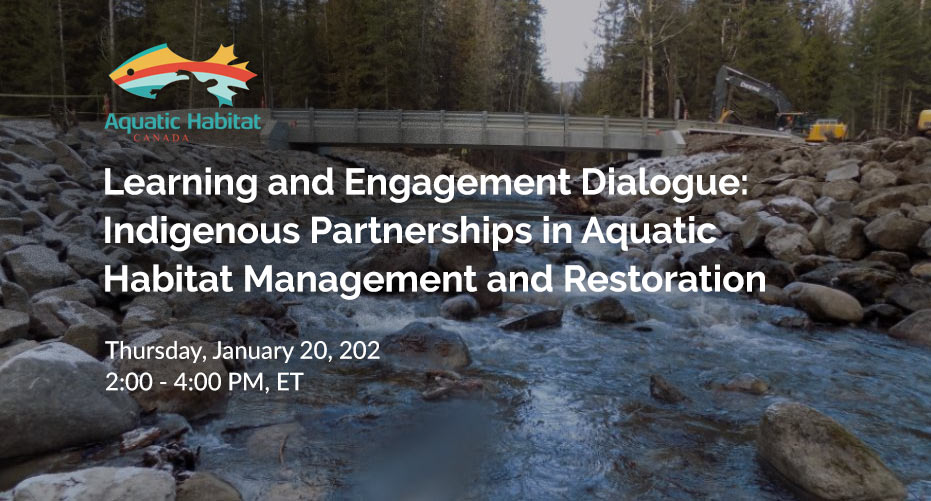
Learning and Engagement Dialogue: Indigenous Partnerships in Aquatic Habitat Management and Restoration
2025-12-05
This event is hosted by Aquatic Habitat Canada (AHC), a national network supporting aquatic habitat protection and restoration. For this event, we have the pleasure of hosting expert speakers from multiple sectors to present their knowledge on the topic, Indigenous Perspectives in Aquatic Habitat Management and Restoration, and illustrate examples of Indigenous involvement and relationship-building to ensure impactful outcomes in their work. Presentations will highlight Indigenous-led and co-led initiatives and explore how Indigenous values are incorporated in aquatic habitat science. The webinar will also include an open panel discussion and a Q&A period. Our panel speakers include: • Dr. Catherine Febria (Healthy Headwaters Lab) • Jennifer Sylliboy (Unama'ki Institute of Natural Resources) • Kathleen Ryan (Bruce Power) This outreach event is part of AHC’s Learning & Engagement Dialogue webinar series, and is intended to be informative and educational, while allowing for public engagement. We welcome all perspectives and experiences at the event and hope to host a learning forum for our community. We look forward to seeing you there.
-
-
-

Community Science in Action: iNaturalist Case Study with Adopt-A-Pond
2025-12-05
Join the Canadian Wildlife Federation (CWF) for an insightful webinar that showcases how iNaturalist can be a powerful tool for citizen science programs. This session will highlight the Adopt-A-Pond (AAP) program by the Toronto Zoo as a case study, demonstrating the practical application of iNaturalist in conservation efforts. During this webinar we will guide you through the essential features of iNaturalist, using real-world examples from the Adopt-A-Pond program. You'll learn how iNaturalist supports environmental monitoring, enhances data collection, and contributes to research and conservation. Whether you're a seasoned user or new to the platform, this webinar will provide valuable insights and tips for using the iNaturalist app and website effectively. Don’t miss this opportunity to see how iNaturalist can elevate your citizen science initiatives!
-
Freshwater Fish With Nicolas Lapointe
2025-12-05
Nicolas Lapointe works at the Canadian Wildlife Federation as the Senior Conservation Biologist – Freshwater Ecology. Originally from Ottawa, he completed his doctorate at Virginia Tech before returning home to work in Conservation. Nicolas studies aquatic habitat, restoration and invasive species while working to protect freshwater fisheries, biodiversity and species at risk. He spends his free time fishing, hunting, and foraging in Ottawa’s hinterland. Join Nick to learn more about Canada’s migratory fish species and discover what CWF is doing to address barriers and restore freshwater connectivity!

Learn More

- 0
- 1
- 2
- 3