




-
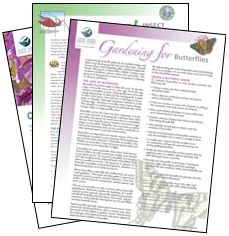 Booklets & handouts
Booklets & handouts
Take a closer look at the ways in which we’ll help you access the facts about wildlife. Whether it’s discovering the Hinterland Who’s Who animal fact sheets, or ordering our handy field guide to Canada’s prevalent shoreline species. </p> <h4>This content is available to our CWF Supporters and online members. Please sign in to order your free materials.<
More -
-
 Wallpapers
Wallpapers
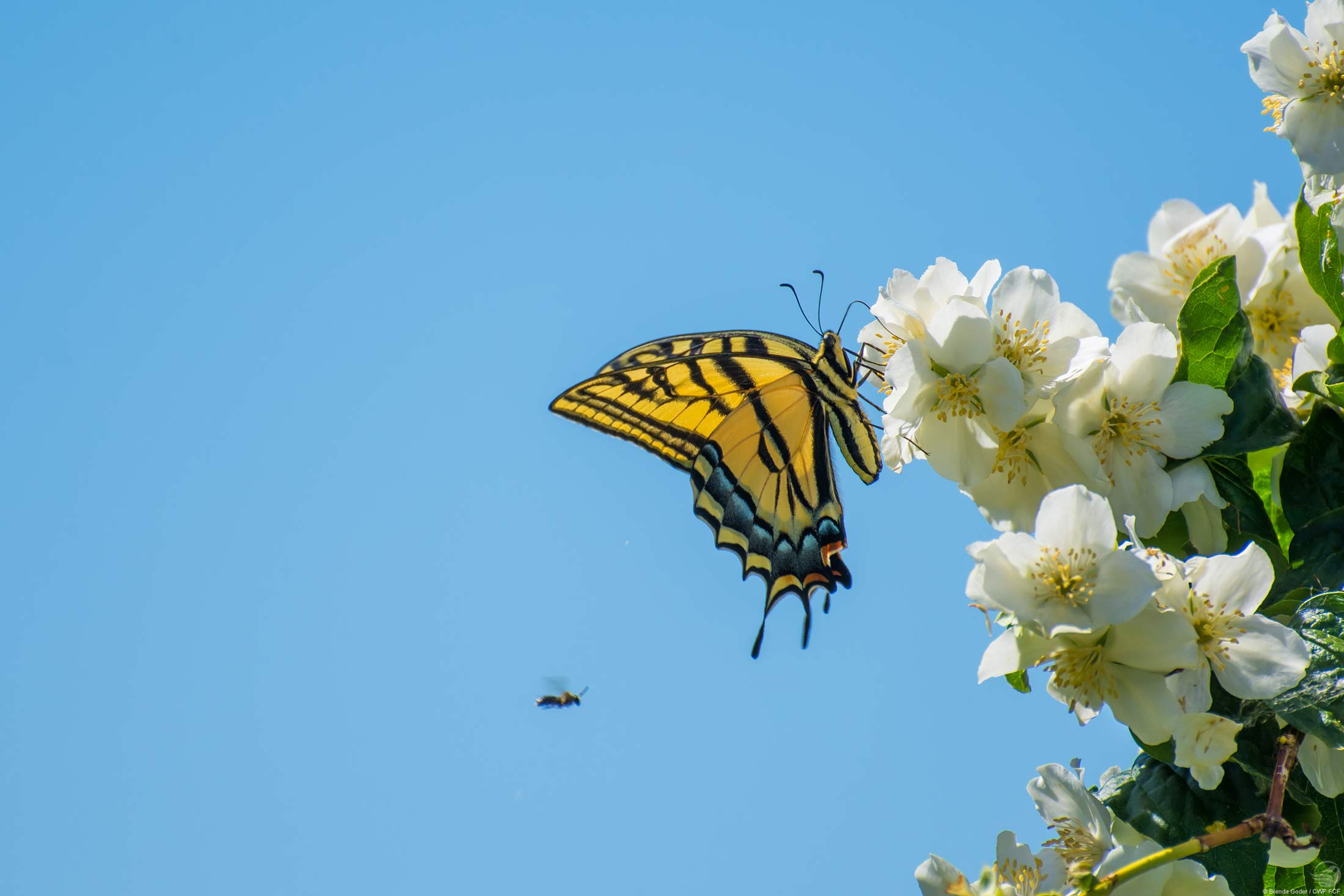
Your desktop is the perfect habitat for this wild wallpaper. Download CWF wallpapers!
More -
 WILD Webinars
WILD Webinars
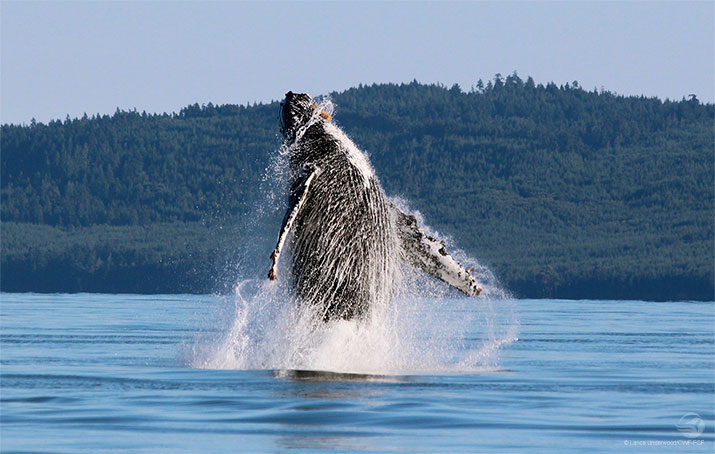
With topics relating to conservation, wildlife and habitat, we provide a relevant online learning platform, typically for grades four to six but of benefit to any age.
More

From easy-to-use apps designed as tools for your citizen science projects to picturesque wallpaper images for your computer, CanadianWildlifeFederation.ca offers a variety of useful downloads for your PC and mobile devices.
Coasts & Oceans
Connecting With Nature
-

Starting Up Our Pollinator Gardens!
2025-12-05
Calling all grades 3 to 6 teachers! It’s nearly time to start planting in our gardens. This fun and engaging webinar with classes from across Canada will help us learn how to best prepare our gardens before our plants go in, as well as how to take care of our plants so they grow and support pollinators all summer.
-

International Monarch Monitoring Blitz Webinar
2025-12-05
Join us on August 1st, 2024, at noon Eastern Time for an engaging webinar on the International Monarch Monitoring Blitz. The Canadian Wildlife Federation (CWF) and the Commission for Environmental Cooperation will shed light on this incredible tri-national initiative aimed at protecting the endangered monarch butterfly. Discover how you can participate in this vital effort through iNaturalist in Canada, learn about the latest conservation strategies, and find out how you can make a difference in saving this iconic species. Whether you join us live or watch the recording later, this webinar offers valuable insights into the collaborative efforts to conserve monarch butterflies.
-

iNaturalist Canada Webinar Series: I Spy and Identify — Observe it, Report it
2025-12-05
Join us Friday, October 8, 12:00-1:00 p.m. ET. iNaturalist has become one of the world’s most popular nature apps and the Canadian Wildlife Federation has led the charge in bringing it to Canada. Join the Canadian Wildlife Federation for a webinar with the Canadian Council on Invasive Species (CCIS) to learn how you can help track and report invasive species across Canada through the national I Spy and Identify project and how uploading your observations of nature can have a real-life impact on biodiversity in Canada. Presenter: Kellie Sherman, Operations Supervisor at CCIS.
-
Join your community in tracking biodiversity
2025-12-05
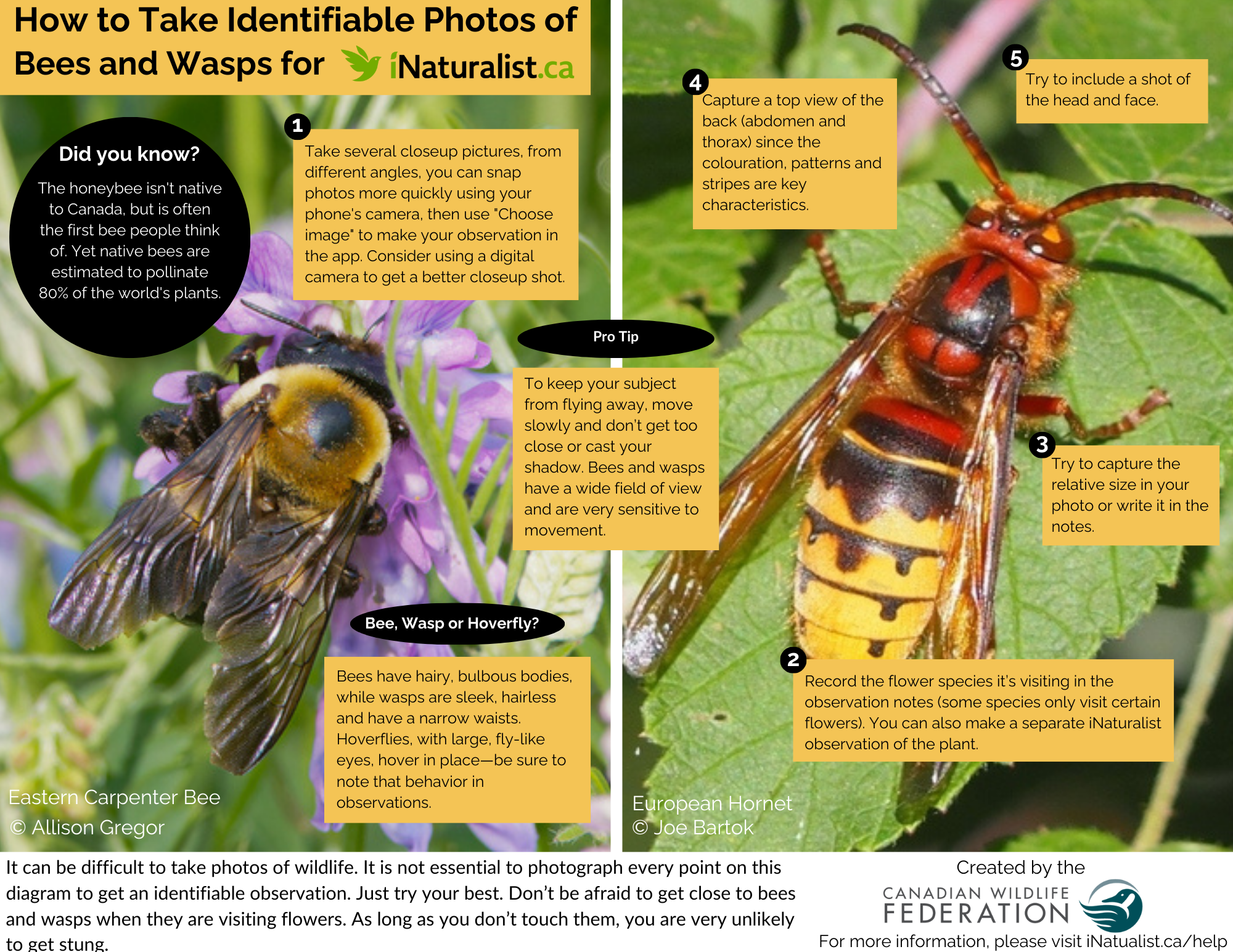
April 12, noon -1:00 ET. How to use iNaturalist to participate in the 2023 City Nature Challenge! Learn how to help your city compete on the world stage in the 2023 City Nature Challenge as 42 Canadian cities compete with each other and over 400 other cities worldwide in a friendly biodiversity challenge. In this webinar, CWF’s James Pagé will explain how to contribute to this annual global event by recording as many wild plants and animals as possible using the iNaturalist Canada platform. If you can take a photo, you can contribute to conservation – find out how, as we approach the start of the City Nature Challenge. Not in a participating city? No problem, you can still contribute to iNaturalist anytime from anywhere throughout the year! Plus, we need everyone’s help in identifying what was found, even if it’s as simple as a Canada Goose.
-
Creating Pollinator Habitat: Opportunities and Examples from Roadsides and other Right-of-Ways
2025-12-05
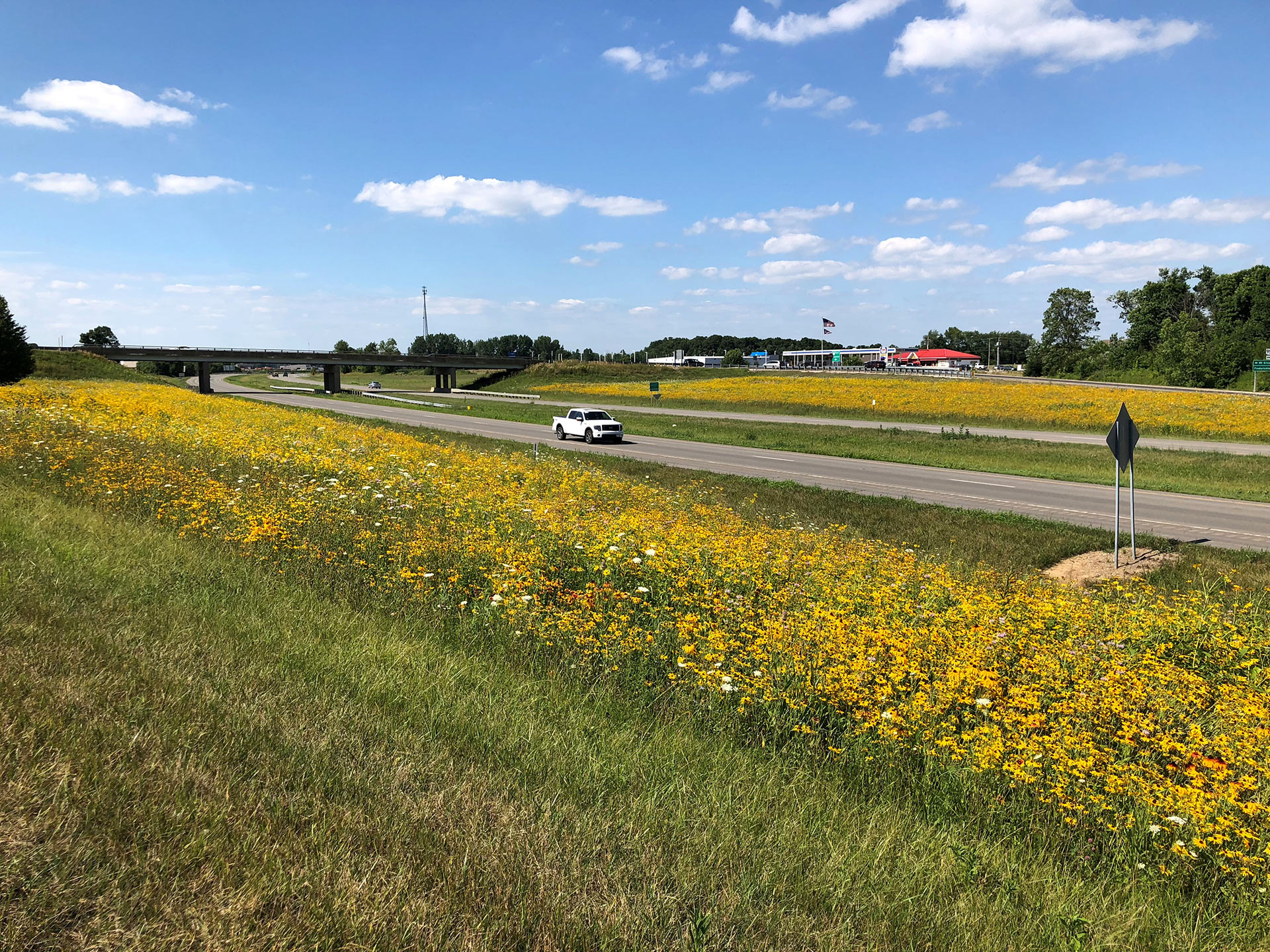
Pollinating insects are in crisis across North America, with steep declines in some groups. This introductory webinar in our 2019-2020 Pollinator Series will discuss the opportunities that transportation, utility and other corridors present to increase and improve available pollinator habitat across the landscape. Examples from all sectors will be discussed, and the highlights of CWF’s 2019 pilot project in eastern Ontario will be presented.
Education & Leadership
Endangered Species & Biodiversity
-
Let's Talk Turtles
2025-12-05
How to help Canada’s At Risk Turtle Populations: Turtles are a vital part of healthy ecosystems. Although they have been around for millions of years, today, all eight of Canada’s freshwater turtles have been designated as Species at Risk. This webinar will discuss why turtles are in danger, how you can make a difference, and how turtles are culturally significant to Indigenous Peoples of North America.
-
iNaturalist CSI: Invasive Aquatics
2025-12-05
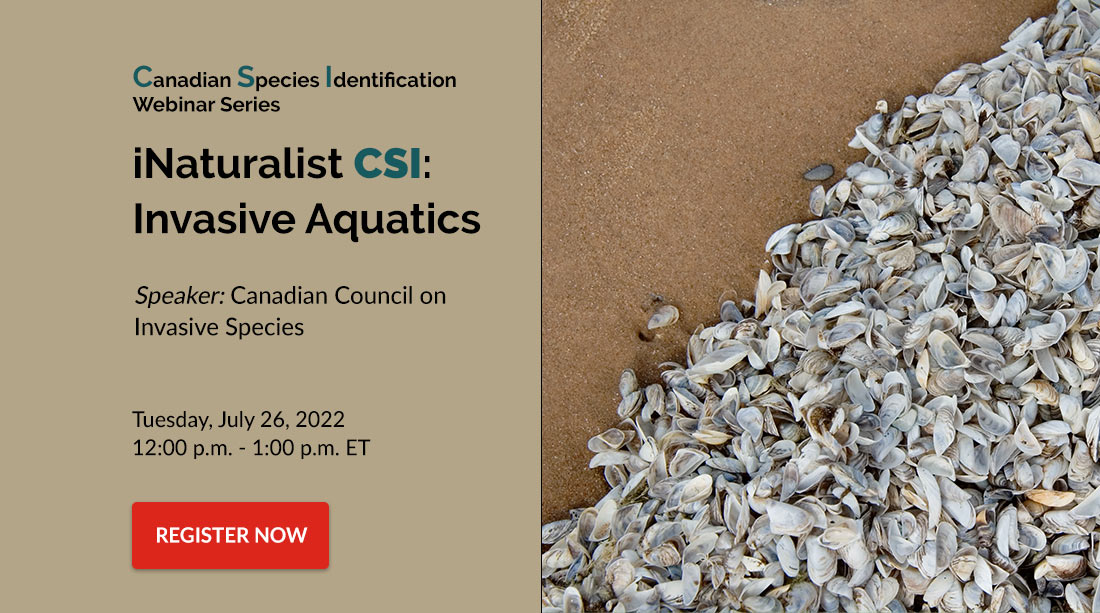
Join the Canadian Wildlife Federation (CWF) July 26th, 12:00-1:00 Eastern for a webinar on how to photograph and identify Canada’s top 10 invasive aquatics using iNaturalist.ca, presented by the Canadian Council on Invasive Species (CCIS). Nearly one-fifth of the Earth’s surface is at risk of plant and animal invasions. Invasive species are threatening Canada’s ecosystems, economy and communities. Climate change is also exacerbating this issue and can make ecosystems more vulnerable to invasive species, and invasive species can worsen the impacts of climate change. The good news is - you can help! Learn how to ID Canada’s top 10 invasive aquatics so you can report them, helping to stop their spread. Every report helps scientists track and protect Canada’s natural spaces and biodiversity from the negative impacts of invasive species. iNaturalist has become one of the world’s most popular nature apps and the Canadian Wildlife Federation has led the charge in bringing it to the forefront of Canadian citizen science.
-
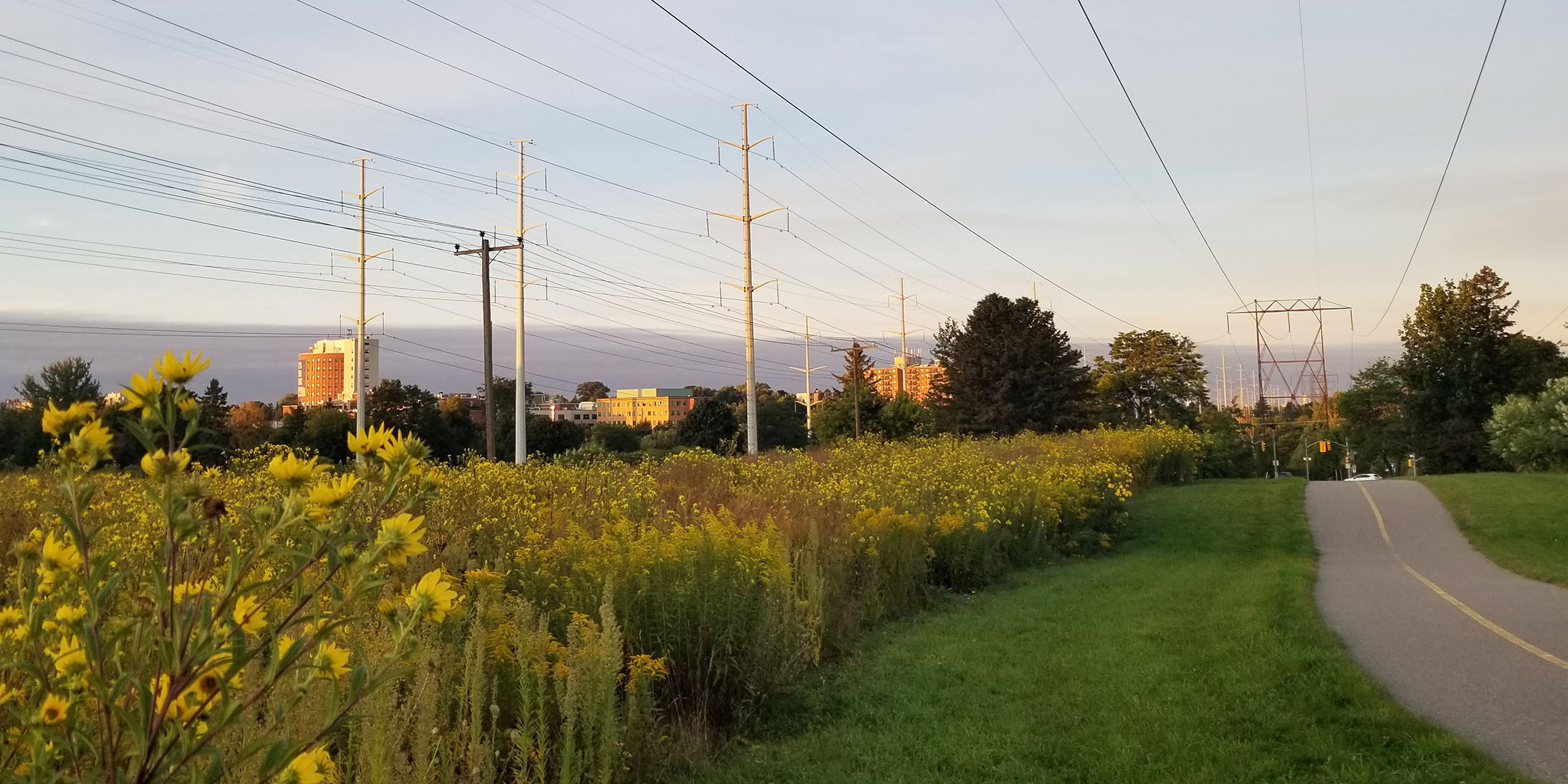
The Meadoway: Planning and Restoring Pollinator Habitat in a utility corridor in Toronto, Ontario
2025-12-05
The Meadoway is transforming a hydro corridor in Scarborough, ON into a vibrant sixteen-kilometre stretch of urban greenspace and meadowlands that will become one of Canada’s largest linear urban parks. Cyclists and pedestrians will soon be able to travel from the heart of downtown Toronto to Rouge National Urban Park without ever leaving nature. Over the next seven years, this site will become a place filled with butterflies, birds and wildflowers – a rich meadow landscape realized on a scale never before seen in Toronto. This webinar will help to showcase and walk you through the overall planning, permits/policies, education/outreach, communication and meadow restoration needed to create a project similar to The Meadoway.
-

iNaturalist CSI: Invasive Plants
2025-12-05
Join the Canadian Wildlife Federation (CWF) for a webinar on how to photograph and identify Canada’s top 10 invasive plants using iNaturalist.ca, presented by the Canadian Council on Invasive Species (CCIS). Nearly one-fifth of the Earth’s surface is at risk of plant and animal invasions. Invasive species are threatening Canada’s ecosystems, economy and communities. Climate change is also exacerbating this issue and can make ecosystems more vulnerable to invasive species, and invasive species can worsen the impacts of climate change. The good news is - you can help! Learn how to ID Canada’s top 10 invasive plants so you can report them, helping to stop their spread. Every report helps scientists track and protect Canada’s natural spaces and biodiversity from the negative impacts of invasive species. iNaturalist has become one of the world’s most popular nature apps and the Canadian Wildlife Federation has led the charge in bringing it to the forefront of Canadian citizen science. Date: August 30th, 12:00-1:00 Eastern
-
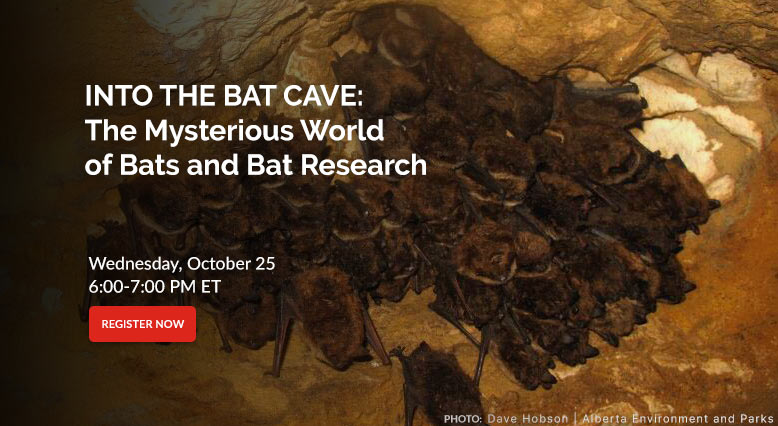
Into the Bat Cave: The Mysterious World of Bats and Bat Research
2025-12-05
As Halloween approaches bats are often depicted as terrors of the night. But the real threat is that bat populations are in steep declines in Canada… and humans are mostly to blame. Bats are much more terrorized by us than we are by them. Join CWF’s Bat Researcher Bailey Bedard to lean about the different Canadian bat species, the amazing abilities they have and the benefits they provide humans and the ecosystem. You will also be able to find out more about CWF’s bat research and how humans, while the primary threat to bats, can also be part of the solution to helping them recover. Date, Time, Time Zone:Wednesday October 25, 6 pm Eastern Time Host: Bailey Bedard, Bat Researcher, James Pagé Species at risk and Biodiversity Specialist, Emily Becker, Bat Researcher
Forests & Fields
-
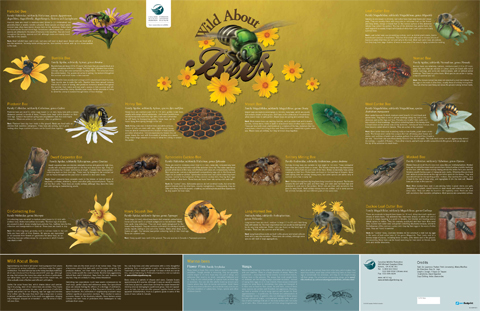
Wild About Bees Poster
2025-12-05
Approximately one-third of all human food is prepared from plants that depend on animal pollinators — and bees make the biggest contribution. The most familiar bee is the honey bee (Apis mellifera), which was introduced from Europe almost 400 years ago. Although we may first picture the honey bee when we think of pollinators, our native bees, such as the bumble bee or the mason bee, are often actually more effective and efficient pollinators. Unlike the social honey bee, which shares labour and caretak-ing of its young, most of our native bees are solitary. This means that each female prepares her own nest, provisions it with food (nectar and pollen) for her offspring, lays her eggs and provides little further care.
-
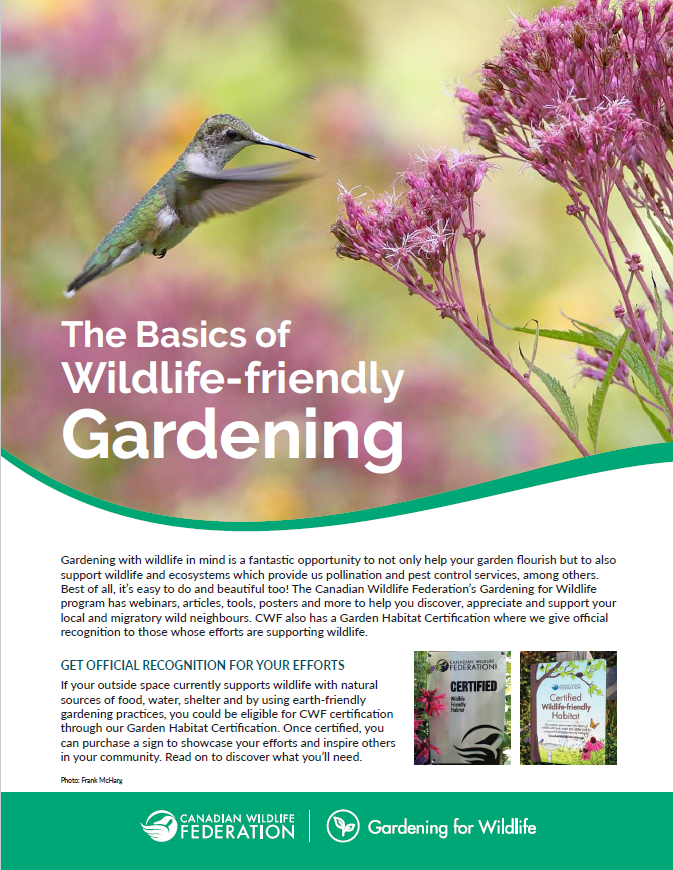
The Basics of Wildlife-friendly Gardening (printer-friendly version)
2025-12-05
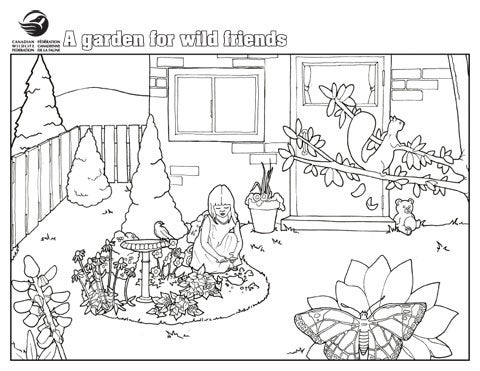
Gardening with wildlife in mind is a fantastic opportunity to not only help your garden flourish but to also support wildlife and ecosystems which provide us pollination and pest control services, among others. Best of all, it’s easy to do and beautiful too! The Canadian Wildlife Federation’s Gardening for Wildlife program has webinars, articles, tools, posters and more to help you discover, appreciate and support your local and migratory wild neighbours. CWF also has a Garden Habitat Certification where we give official recognition to those whose efforts are supporting wildlife.
-
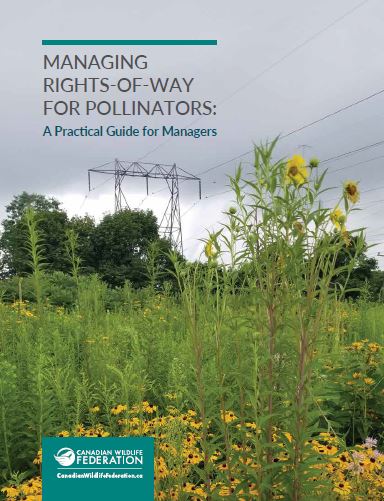
MANAGING RIGHTS-OF-WAY FOR POLLINATORS: A Practical Guide for Managers
2025-12-05
This guide is designed to help managers of rights-of-way (ROW) in southeastern Canada begin taking a different approach to managing and restoring habitat. Roadsides, utility corridors, industrial lands, solar installations, wind farms and pipelines could all be managed to create and maintain a network of thousands of hectares of pollinator habitat. This guide aims to outline best practices for improved management of ROW to benefit pollinators, as well as practical methods of habitat restoration suitable for road and ROW use. By changing our management and increasing habitat restoration on ROW, the survival and recovery of pollinators and other wildlife can be supported at a broad scale.
-
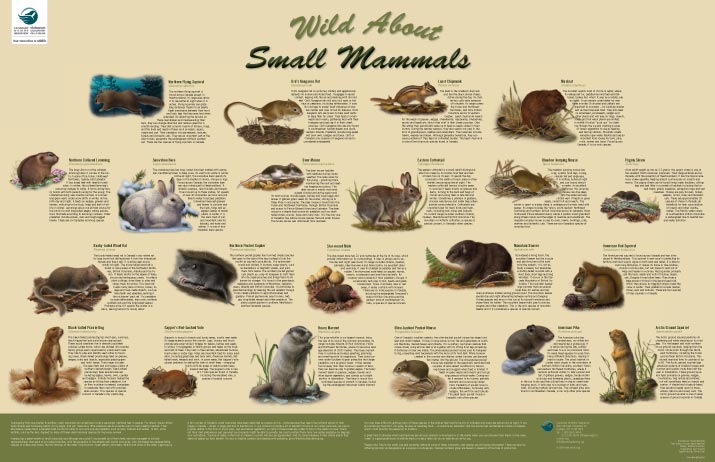
Small Mammals Poster
2025-12-05
Scampering from one shelter to another, small mammals can sometimes incite a seemingly irrational fear in people. For others, these critters’ food choices and burrowing habits stir up anger. And yet, these furry little creatures are an essential part of many healthy habitats. Their abundance makes them a valuable food source for many of our more popular predators such as owls, bobcats and wolves. In fact, some wildlife, such as the lynx, depend on many of these small mammal species for their very survival.Canada has a great variety of small mammals and although we couldn’t incorporate all of them here, we have managed to include representatives from each of our rodent families, with the exception of the already well-known porcupine.
Lakes & Rivers

Learn More

- 0
- 1
- 2
- 3